Author name: sbsdigitalinfotech@gmail.com

Uncategorized

Biggest Stainless Steel Pipe Manufacturers in Ghaziabad?

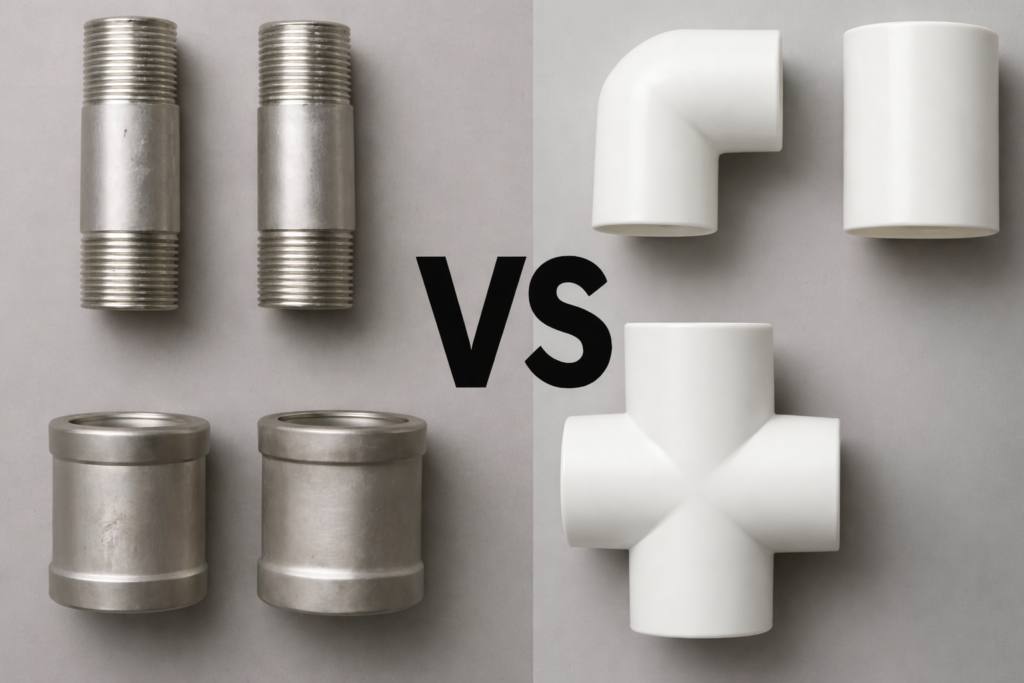
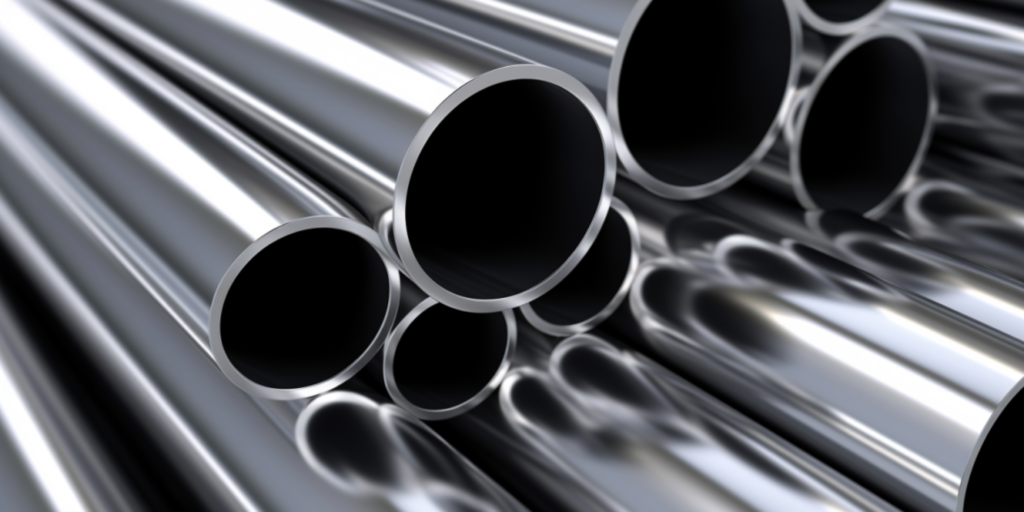
Biggest Stainless Steel Pipe Manufacturers in Ghaziabad? Ghaziabad is a major industrial hub near Delhi, with a long history in steel production. One of the key players in this region is Deal On Steel Industries Pvt. Ltd., a Ghaziabad-based firm specializing in stainless steel (SS) pipes and fittings. Stainless steel pipes themselves are steel alloys containing at least 10.5% chromium, giving them a self-healing chromium-oxide surface that resists rust. This corrosion resistance makes SS pipes ideal for many applications, from industrial fluid transport to plumbing and food processing lines. In this blog, we explore types of SS pipes, popular grades like 304, the role of SS pipe fittings, market pricing, and how Deal On Steel Industries meets Ghaziabad’s stainless steel needs. Stainless Steel Pipes: Types and Applications Stainless steel pipes come in several grades and forms. Austenitic stainless steels such as grades 304 and 316 are most common for pipes. Grade 304 SS (18% Cr, 8% Ni) is a versatile “workhorse” grade – it balances strength, corrosion resistance, and cost. Grade 316 adds molybdenum (Mo) to resist chlorides and harsh chemicals, so it’s often used in marine or chemical-processing environments. In general, a stainless steel pipe’s chromium content produces a thin, self-repairing oxide film that prevents rust. This makes SS pipes last much longer in wet or corrosive conditions than ordinary steel. For instance, Type 304 and 304L stainless steels are widely used for potable water and food/beverage lines. These grades can handle high strength and wide temperature ranges while meeting hygiene standards for plumbing and processing equipment. 304 Stainless Steel Pipe Among SS grades, 304 stainless steel pipe is particularly popular due to its excellent combination of corrosion resistance, weldability, and value. As one supplier notes, “Grade 304 is the trusty, all-around performer” with a broad range of applications. It resists oxidizing acids and performs well for water treatment, plumbing systems, kitchen equipment, and general industrial piping. (It’s also food-safe and meets FDA sanitary regs, making it ideal for food and pharmaceutical lines.) The key trade-off is that 304 can pit in chloride-rich (salty) environments; that’s when higher grades like 316 are preferred. In short, 304 SS pipe offers reliable performance for most projects at a moderate price, which is why it dominates many piping applications Seamless Stainless Steel Pipe SS pipes can be made seamless or welded. A seamless stainless steel pipe is formed from a solid steel billet (no weld line). This construction gives seamless pipes superior integrity: they tolerate higher pressures and avoid weld-related defects or corrosion points. In practice, seamless pipes are often used where strength and purity are critical, such as high-pressure boilers, heat exchangers, or critical fluid lines. Deal On Steel Industries stocks both seamless and welded SS pipes, understanding that project specs dictate the choice. (Typically, seamless SS pipe costs more per meter than the same size of welded pipe, reflecting its manufacturing complexity.) Stainless Steel Pipe Fittings Stainless steel pipe systems also require SS fittings (elbows, tees, reducers, couplings, caps, etc.) made of the same material. These fittings, made from SS alloys with ≥10.5% chromium, ensure the entire assembly resists corrosion. For example, 304-grade SS fittings are common for water or chemical systems because they pair with 304 pipes for full compatibility. In Ghaziabad, Deal On Steel Industries not only supplies pipes but also manufactures and stocks an extensive range of SS pipe fittings in many grades (304, 316, 321, 317L, 310, 347, 904L, etc.). These include elbows, tees, couplings and more, enabling customers to build complete SS piping networks. Stainless Steel vs. Other Fitting Materials: Stainless fittings have clear advantages over alternatives. Because of their chromium content, stainless fittings inherently resist corrosion much better than galvanized steel (which relies on a zinc coating that can wear off). They also outperform copper and PVC in demanding applications. For instance, copper fittings (common in home plumbing) are strong but are prone to corrosion in some water chemistries, whereas stainless steel stays passivated in a wider range of environments. Likewise, PVC (plastic) fittings are cheap and chemical-resistant but cannot handle high pressures or temperatures – stainless steel can. The images below illustrate these contrasts:   Galvanized vs. stainless steel pipe fittings. Unlike galvanized fittings (left) whose zinc coating may rust over time, stainless steel fittings (right) have chromium built in and thus provide superior long-term corrosion resistance Stainless steel vs. PVC fittings. Stainless steel (left) is vastly stronger and tolerates heat/chemicals far beyond PVC (right). PVC is lightweight and cheap but not suitable for high-pressure or high-temp plumbing Stainless Steel Plumbing Fittings For plumbing, SS fittings are prized for hygiene and durability. Grades 304/304L are commonly specified for potable water lines because they do not leach and resist biofilm formation. The comparisons above show that stainless steel plumbing fittings far outlast and outperform galvanized, copper or plastic alternatives in corrosive or industrial water environments. This reliability and long life mean that even though stainless fittings cost more upfront, they often yield lower life-cycle costs in critical systems. In short, wherever clean water or chemicals are transported (in buildings, food plants, hospitals, etc.), SS plumbing fittings are increasingly the material of choice. Stainless Steel Pipe Price and Market Trends For plumbing, SS fittings are prized for hygiene and durability. Grades 304/304L are commonly specified for potable water lines because they do not leach and resist biofilm formation. The comparisons above show that stainless steel plumbing fittings far outlast and outperform galvanized, copper or plastic alternatives in corrosive or industrial water environments. This reliability and long life mean that even though stainless fittings cost more upfront, they often yield lower life-cycle costs in critical systems. In short, wherever clean water or chemicals are transported (in buildings, food plants, hospitals, etc.), SS plumbing fittings are increasingly the material of choice. Deal On Steel Industries–Ghaziabad’s Stainless Steel Pipe Supplier Deal On Steel Industries Pvt. Ltd. is one of Ghaziabad’s prominent stainless steel pipe suppliers and manufacturers. Founded in 2020, it is active in construction-materials distribution and has quickly positioned itself as a “leading provider of high-quality stainless steel pipes in India”. The company maintains a wide
Steel Pipes Manufacturer in Chennai
Uncategorized

SS schedule pipe chart

SS Pipe Schedule Chart Home – Blog Complete Stainless Steel Pipe Schedule Chart for Industrial & Construction Use Stainless steel pipes are widely used across industries such as construction, oil & gas, chemical processing, and water systems due to their strength, corrosion resistance, and durability. One of the most important aspects of selecting the right pipe is understanding the SS pipe schedule chart, which defines the wall thickness of pipes for different sizes. At Deal On Steel Industries, we provide a complete range of stainless steel pipes along with detailed technical guidance, including pipe schedules, sizes, and weight charts to help engineers, contractors, and buyers make informed decisions. This guide explains everything about SS pipe schedule, pipe thickness chart, nominal pipe size (NPS), and stainless steel pipe weight, making it a complete reference for industrial and commercial use. What is Pipe Schedule in Stainless Steel Pipes? Pipe schedule refers to the wall thickness of a pipe, which directly affects its strength, pressure handling capacity, and durability. It is denoted by numbers such as SCH 10, SCH 20, SCH 40, SCH 80, SCH 160, etc. The higher the schedule number, the thicker the pipe wall and the greater its ability to withstand pressure. For example, SCH 80 pipes have thicker walls compared to SCH 40 pipes of the same diameter. Understanding pipe schedules is essential when selecting pipes for applications involving fluid flow, pressure systems, or structural requirements. Understanding Nominal Pipe Size (NPS) and DN Before reading the schedule chart, it is important to understand pipe sizing terminology. Nominal Pipe Size (NPS) is a standard used to define pipe size in inches. It does not always represent the exact outer diameter but serves as a reference for standardization. Diameter Nominal (DN) is the metric equivalent of NPS and is commonly used in international standards. It represents the approximate internal diameter of the pipe in millimeters. Both NPS and DN are used together in pipe charts to ensure clarity in global applications. SS Pipe Schedule Chart (Thickness in mm) Below is a detailed stainless steel pipe schedule chart showing thickness for common schedules: NPS (Inch) DN (mm) SCH 10 SCH 20 SCH 40 SCH 80 SCH 160 1/2″ 15 2.11 2.41 2.77 3.73 4.78 3/4″ 20 2.11 2.41 2.87 3.91 5.56 1″ 25 2.77 2.87 3.38 4.55 6.35 1.5″ 40 2.77 2.97 3.68 5.08 7.14 2″ 50 2.77 3.18 3.91 5.54 8.74 3″ 80 3.05 3.91 5.49 7.62 11.13 4″ 100 3.05 4.19 6.02 8.56 13.49 6″ 150 3.40 4.78 7.11 10.97 18.26 SS Pipe Weight Chart (Per Meter) The weight of stainless steel pipes depends on diameter and thickness. Below is an approximate weight chart: NPS SCH 40 Weight (kg/m) SCH 80 Weight (kg/m) 1″ 2.50 3.24 2″ 5.44 8.07 3″ 10.25 14.98 4″ 16.07 22.32 6″ 28.26 42.56 Types of Stainless Steel Pipes Stainless steel pipes are available in different types based on manufacturing methods and applications. Seamless pipes are manufactured without welding joints, making them stronger and suitable for high-pressure applications such as oil & gas and chemical industries. Welded pipes are made by rolling and welding steel sheets. They are cost-effective and widely used in construction and general industrial applications. ERW pipes (Electric Resistance Welded) are commonly used in structural and low-pressure applications due to their affordability and consistent quality. Applications of SS Pipes Stainless steel pipes are used across multiple industries due to their corrosion resistance and strength. In construction, they are used for structural frameworks, railings, and plumbing systems. In the oil and gas industry, SS pipes are essential for transporting fluids under high pressure and temperature conditions. Their resistance to corrosion ensures long-term reliability. In chemical and pharmaceutical industries, stainless steel pipes are used because they do not react with chemicals and maintain purity standards. They are also widely used in water supply systems, food processing units, and marine applications. Advantages of Stainless Steel Pipes Stainless steel pipes offer several advantages that make them superior to other materials. They provide excellent corrosion resistance, making them suitable for harsh environments. Their high strength allows them to handle pressure and mechanical stress effectively. They are durable and require minimal maintenance, reducing long-term costs. Additionally, stainless steel pipes are environmentally friendly and recyclable. How to Choose the Right Pipe Schedule Selecting the correct pipe schedule depends on several factors, including pressure requirements, temperature conditions, and application type. For low-pressure applications such as water flow, SCH 10 or SCH 20 pipes are generally sufficient. For medium-pressure systems, SCH 40 is commonly used. High-pressure applications, such as industrial pipelines and chemical processing, require thicker pipes like SCH 80 or SCH 160. Why Choose Deal On Steel Industries? Deal On Steel Industries is a trusted supplier of stainless steel pipes, offering a wide range of sizes, schedules, and specifications. We provide high-quality products that meet industry standards and are suitable for various industrial and construction applications. Our team ensures that customers receive the right technical guidance for selecting the appropriate pipe schedule and size. With competitive pricing, bulk availability, and reliable delivery, we serve clients across multiple industries with consistent quality and service. Conclusion Understanding the SS pipe schedule chart is essential for selecting the right stainless steel pipe for any application. From thickness and weight to pressure handling capacity, every factor plays a crucial role in ensuring performance and safety. With the right knowledge and a reliable supplier like Deal On Steel Industries, businesses can make informed decisions and achieve long-lasting results in their projects. About Company Deal On Steel Industries Pvt. Ltd. has established itself as a leading provider of high-quality stainless steel pipes in India. We are dedicated to exceeding client expectations by delivering superior products, believing this is the definitive path to success. Most Recent Posts All Posts Ms erw Pipes Stainless Steel Coils stainless steel fittings Stainless steel Flanges Stainless Steel Pipes Stainless steel sheets Stainless steel Tubes SS schedule pipe chart corrosion resistant steel supplier What is the main disadvantage of mild steel? MS ERW Pipes

Ms erw Pipes, Stainless Steel Coils, stainless steel fittings, Stainless steel Flanges, Stainless Steel Pipes, Stainless steel sheets

corrosion resistant steel supplier

Corrosion Resistant Steel Supplier Home – Corrosion Resistant Steel Where Can I Find Suppliers for Corrosion-Resistant Steel Alternatives? Industries that operate in harsh environments often require materials that can withstand moisture, chemicals, temperature fluctuations, and other corrosive elements. Standard steel can deteriorate over time when exposed to such conditions, which is why many businesses look for corrosion-resistant steel alternatives. Choosing the right material not only improves durability but also reduces long-term maintenance and replacement costs. Finding a reliable corrosion resistant steel supplier is essential for businesses that depend on high-quality materials for construction, manufacturing, infrastructure development, and industrial operations. A trusted supplier ensures that the steel products meet industry standards, provide long service life, and perform reliably in demanding environments. Deal On Steel Industries is one of the companies providing corrosion-resistant steel products designed to meet the needs of modern industries. Businesses looking for durable and reliable steel solutions can benefit from understanding the types of corrosion-resistant materials available and how to choose the right supplier. What Is Corrosion-Resistant Steel? Corrosion-resistant steel refers to steel alloys that are specifically designed to resist rust, oxidation, and chemical deterioration when exposed to moisture, chemicals, or extreme environmental conditions. These steels contain alloying elements such as chromium, nickel, molybdenum, or copper, which form a protective layer on the metal surface. This protective layer prevents the steel from reacting with oxygen and water, which are the primary causes of corrosion. As a result, corrosion-resistant steel can maintain its structural strength and appearance for many years even in challenging environments. Industries that commonly require corrosion-resistant steel include construction, marine engineering, chemical processing, oil and gas, food processing, and water treatment systems. Types of Corrosion-Resistant Steel Products A reliable corrosion resistant steel supplier typically offers a range of steel products that are designed to resist corrosion and perform well in different applications. Stainless Steel Stainless steel is one of the most widely used corrosion-resistant materials. It contains a minimum of 10.5 percent chromium, which forms a passive oxide layer that protects the metal from rust and oxidation. Stainless steel is commonly used in water supply systems, food processing equipment, architectural structures, and chemical industries. Galvanized Steel Galvanized steel is coated with a layer of zinc that protects the underlying steel from corrosion. This protective coating acts as a barrier between the steel and environmental elements such as moisture and air. Galvanized steel products are frequently used in construction, fencing, roofing, and outdoor structures. Weathering Steel Weathering steel, sometimes referred to as corten steel, develops a protective rust layer when exposed to the atmosphere. This layer prevents further corrosion and eliminates the need for painting in many applications. It is commonly used in bridges, architectural structures, and outdoor installations. Alloy Steel Certain alloy steels contain additional elements that improve their resistance to corrosion and chemical damage. These steels are often used in heavy industrial applications where materials must withstand both mechanical stress and corrosive environments. Why Choosing the Right Corrosion Resistant Steel Supplier Matters Selecting the right supplier is just as important as choosing the right material. A trusted corrosion resistant steel supplier ensures that the steel products meet quality standards and are suitable for specific industrial applications. Working with an experienced supplier provides several advantages. High-quality suppliers source materials from reliable manufacturers and perform quality checks to ensure that the products meet industry specifications. They also offer a wide range of corrosion-resistant steel products so that customers can find materials suited to their project requirements. In addition, a reliable supplier provides technical guidance, helping customers select the right steel grade, size, and finish for their intended application. Industries That Require Corrosion-Resistant Steel Many industries depend on corrosion-resistant steel products because their operations involve exposure to moisture, chemicals, or extreme environmental conditions. Construction and Infrastructure Construction projects often require materials that can withstand outdoor exposure for many years. Corrosion-resistant steel is used in structural frameworks, bridges, railings, and architectural components. Marine and Coastal Applications Structures located near oceans or coastal areas are exposed to saltwater, which accelerates corrosion. Stainless steel and specialized alloys are commonly used in marine environments to ensure durability. Chemical Processing Plants Chemical manufacturing facilities use corrosion-resistant steel pipes, fittings, and equipment to handle aggressive chemicals and high temperatures. Water Treatment Systems Water treatment plants require piping and structural materials that can resist constant exposure to water and chemicals used during purification processes. Food and Pharmaceutical Industries These industries require materials that maintain hygiene and resist contamination. Stainless steel piping systems and equipment are widely used because they are easy to clean and resistant to corrosion. Where to Find a Reliable Corrosion Resistant Steel Supplier Businesses searching for corrosion-resistant steel alternatives should look for suppliers that offer a comprehensive range of products and maintain high quality standards. Important factors to consider include product variety, material certifications, supply reliability, and industry experience. Deal On Steel Industries is a trusted corrosion resistant steel supplier offering a wide range of durable steel products designed for industries that require high resistance to rust, chemicals, and environmental damage. The company provides corrosion-resistant steel solutions suitable for construction, industrial fabrication, water systems, and infrastructure projects. By focusing on product quality and reliable supply, Deal On Steel Industries ensures that customers receive materials that perform effectively in demanding environments. Why Choose Deal On Steel Industries When looking for corrosion-resistant steel products, businesses need a supplier that can deliver consistent quality and dependable service. Deal On Steel Industries focuses on providing steel products that meet industry standards and offer long-term durability. The company supplies corrosion-resistant steel materials that are suitable for multiple applications, including industrial manufacturing, construction projects, and infrastructure development. With an emphasis on quality and customer satisfaction, Deal On Steel Industries supports businesses in finding the right steel solutions for their operational needs. Conclusion Corrosion-resistant steel plays a crucial role in industries where durability, safety, and long service life are essential. Materials such as stainless steel, galvanized steel, and specialized alloys provide strong protection against rust and environmental damage,

Disadvantage of Mild Steel pipes
Uncategorized

What is the main disadvantage of mild steel?

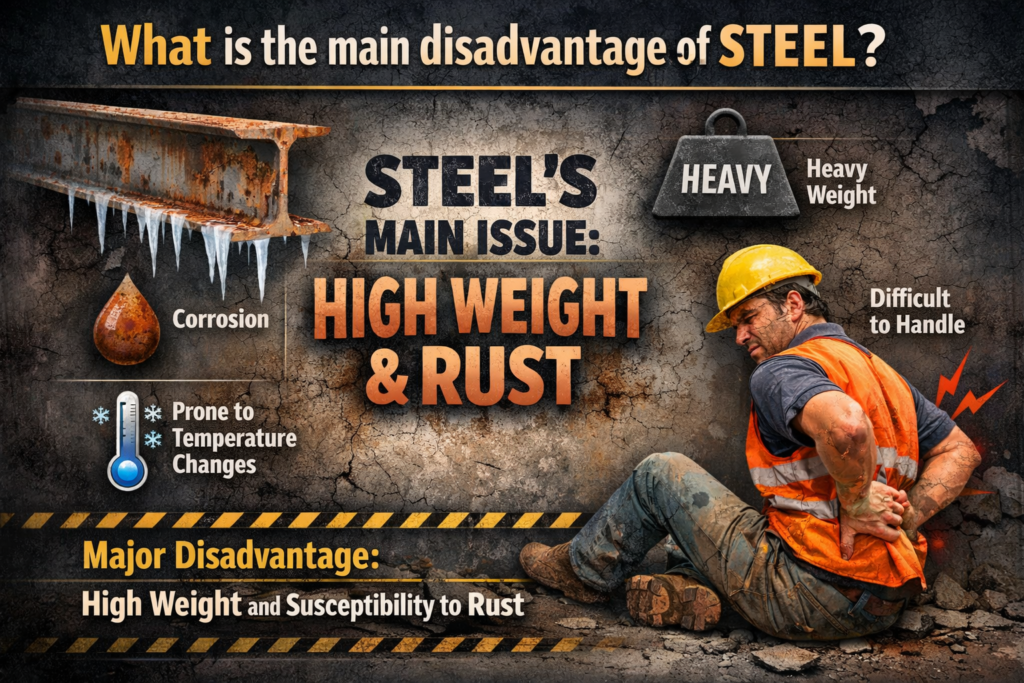
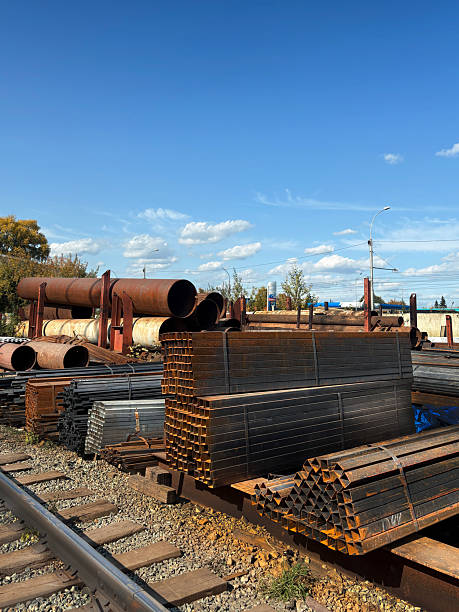
Disadvantage of Mild Steel pipes Home – Main Disadvantage of Mild Steel Pipes What Is the Main Disadvantage of Mild Steel? Mild steel is one of the most widely used materials in construction, manufacturing, and infrastructure development due to its strength, affordability, and ease of fabrication. It is commonly used for structural components, pipelines, machinery parts, and fabrication projects. Many industries prefer mild steel because it offers an excellent balance between durability and cost-effectiveness. However, despite its many advantages, mild steel also has certain limitations that users should understand before selecting it for specific applications. For businesses searching for ms erw pipes suppliers navi mumbai, understanding both the benefits and disadvantages of mild steel can help in choosing the right materials and protective solutions for long-term performance. The Main Disadvantage of Mild Steel The primary disadvantage of mild steel is its susceptibility to corrosion. Because mild steel contains a relatively low amount of chromium and other corrosion-resistant elements, it can rust when exposed to moisture, oxygen, and harsh environmental conditions. When mild steel comes into contact with water or humid environments, oxidation occurs on the surface, forming rust. Over time, this corrosion can weaken the structural integrity of the material and reduce its lifespan if proper protective measures are not applied. For pipelines and structural systems exposed to outdoor environments, corrosion protection is essential. This is why many mild steel products are treated with protective coatings such as paint, galvanization, or specialized anti-corrosion layers to extend their durability. Other Limitations of Mild Steel While corrosion is considered the main disadvantage, mild steel also has a few additional limitations depending on the application. Lower Corrosion Resistance Compared to Stainless Steel Unlike stainless steel, mild steel does not naturally resist rust. Stainless steel contains chromium that forms a protective oxide layer, whereas mild steel requires external coatings or treatments to prevent corrosion. Regular Maintenance Requirements Because mild steel can rust over time, it may require periodic maintenance, painting, or protective coatings to maintain its performance in certain environments. Limited Performance in Harsh Chemical Environments In industries where pipelines carry aggressive chemicals or operate in highly corrosive environments, materials such as stainless steel or alloy steel may sometimes be preferred. Why Mild Steel Is Still Widely Used Despite these limitations, mild steel remains one of the most popular materials used in construction and industrial projects. The reason is that its disadvantages can be effectively managed through proper design, coatings, and maintenance. Some of the reasons industries continue to rely on mild steel include: High structural strength Excellent weldability Easy fabrication and machining Cost-effectiveness for large projects Wide availability in different sizes and specifications When properly protected with coatings or galvanization, mild steel can perform reliably for many years even in demanding conditions. Applications of MS ERW Pipes MS ERW pipes (Electric Resistance Welded pipes) are one of the most commonly used forms of mild steel piping. These pipes are manufactured by rolling steel strips into cylindrical shapes and welding the edges together using electrical resistance. They are widely used in industries such as: Construction and infrastructure projects Water supply and plumbing systems Structural frameworks and scaffolding Fabrication and engineering applications Industrial pipeline systems Because of their strength and cost efficiency, MS ERW pipes are a practical solution for many large-scale projects. Reliable MS ERW Pipes Suppliers in Navi Mumbai For businesses and contractors searching for ms erw pipes suppliers in Pune, choosing a reliable supplier is essential to ensure product quality and long-term performance. Deal On Steel Industries supplies high-quality MS ERW pipes designed to meet the requirements of construction, infrastructure, and industrial applications. The company focuses on providing durable mild steel piping solutions that comply with industry standards and deliver dependable performance in a wide range of projects. With a strong supply network and a commitment to quality, Deal On Steel Industries offers MS ERW pipes in multiple sizes and specifications to meet the diverse needs of contractors, engineers, and industrial clients in Mumbai and across India. Conclusion The main disadvantage of mild steel is its tendency to corrode when exposed to moisture and environmental conditions. However, with proper coatings, maintenance, and quality manufacturing, mild steel products can deliver reliable performance for many years. For businesses looking for ms erw pipes suppliers navi mumbai, Deal On Steel Industries provides high-quality MS ERW pipes that combine strength, durability, and cost-effectiveness. By choosing a trusted supplier and the right protective measures, mild steel pipes can remain a dependable solution for a wide range of construction and industrial applications. Frequently Asked Questions (FAQs) What Is the Main Disadvantage of Mild Steel? The main disadvantage of mild steel is its susceptibility to corrosion when exposed to moisture and air. Because mild steel contains a low percentage of alloying elements, it does not naturally resist rust like stainless steel. If mild steel pipes or structures are used in environments with high humidity or water exposure, they may develop rust over time. However, this issue can be effectively managed through protective coatings, painting, galvanization, or proper maintenance. When properly treated and maintained, mild steel products can last for many years while maintaining their strength and reliability. At Deal On Steel Industries, high-quality mild steel pipes are supplied with proper finishing and standards to ensure durability in construction and industrial applications. Is Mild Steel Good? Yes, mild steel is considered one of the most practical and widely used engineering materials in construction, fabrication, and industrial manufacturing. It offers an excellent balance of strength, flexibility, affordability, and ease of fabrication. Some of the key reasons why mild steel is widely preferred include: High strength for structural applications Easy welding, cutting, and fabrication Cost-effective compared to many other metals Suitable for construction, pipelines, and machinery structures Because of these advantages, mild steel pipes and sections are commonly used in buildings, bridges, infrastructure projects, and industrial equipment. Deal On Steel Industries supplies high-quality mild steel pipes and structural steel products designed to meet industry requirements and deliver reliable performance. Which Is

MS ERW Pipes Suppliers Navi Mumbai
Ms erw Pipes

MS ERW Pipes Suppliers Navi Mumbai

MS ERW Pipes Suppliers Navi Mumbai – Reliable Steel Solutions Home – Blog Introduction Industrial development and infrastructure growth have significantly increased the demand for high-quality steel piping products across India. Among the most widely used steel products are MS ERW pipes, which are known for their strength, durability, and versatility in construction and industrial applications. These pipes are commonly used in structural frameworks, water pipelines, fabrication work, and engineering projects because they offer a reliable and cost-effective solution. Businesses and contractors searching for ms erw pipes suppliers navi mumbai often require a supplier that can provide consistent quality, multiple size options, and timely delivery. Choosing the right supplier is important because the performance of steel pipes directly affects the safety and longevity of construction and industrial projects. Deal On Steel Industries is a trusted name providing MS ERW pipes for various industrial and construction requirements. The company supplies high-quality mild steel ERW pipes designed to meet industry standards and deliver reliable performance in demanding environments. What Are MS ERW Pipes? MS ERW pipes refer to Mild Steel Electric Resistance Welded pipes. These pipes are manufactured by rolling steel sheets or steel strips into a cylindrical shape and welding the edges together using electric resistance welding technology. During this process, the edges of the steel strip are heated using electrical current and then fused together under pressure. This creates a strong and uniform weld seam that ensures structural integrity and durability. MS ERW pipes are widely used because they offer several advantages, including: Strong structural strength Uniform thickness and dimensions High durability Cost-effectiveness Easy fabrication and welding Because of these properties, they are commonly used in industries such as construction, infrastructure development, manufacturing, and water distribution systems. Manufacturing Process of MS ERW Pipes The manufacturing of MS ERW pipes involves several stages to ensure that the pipes meet strict quality and dimensional standards. Steel Coil Preparation The process begins with high-quality steel coils that are inspected to ensure they meet the required chemical and mechanical properties. Rolling Process The steel strip is passed through rolling machines that gradually shape the flat strip into a cylindrical form. Electric Resistance Welding In the welding stage, electrical current generates heat along the edges of the steel strip. Pressure is applied to fuse the edges together, creating a strong welded seam. Sizing and Straightening After welding, the pipe passes through sizing mills to achieve the exact diameter and thickness required. Straightening machines ensure the pipe maintains proper alignment. Quality Testing The pipes undergo several quality checks, including dimensional inspection, weld integrity testing, and surface finishing inspection. Once the pipes pass these tests, they are ready for distribution and industrial use. Applications of MS ERW Pipes MS ERW pipes are widely used across different industries because of their strength, durability, and cost efficiency. Construction Industry In construction projects, MS ERW pipes are used for structural frameworks, scaffolding, roofing structures, and support columns. Water Supply Systems These pipes are commonly used in water pipelines and drainage systems due to their strength and durability. Fabrication and Engineering MS ERW pipes are frequently used in fabrication projects, machinery frames, and engineering structures where strong and reliable steel components are required. Infrastructure Projects Large infrastructure developments such as bridges, industrial buildings, and transportation facilities rely on MS ERW pipes for structural support. Furniture Manufacturing Modern furniture designs often use mild steel pipes for making durable frames for chairs, tables, and beds. Advantages of MS ERW Pipes There are several reasons why MS ERW pipes are widely preferred in industrial and construction applications. High Strength These pipes provide excellent load-bearing capacity and can support heavy structural components. Cost-Effective Solution Compared to many other steel products, MS ERW pipes are affordable and suitable for large-scale construction projects. Easy Fabrication MS ERW pipes can be easily cut, welded, and shaped to meet specific project requirements. Uniform Structure The manufacturing process ensures consistent wall thickness and uniform dimensions. Versatile Applications These pipes are suitable for a wide range of applications including structural, mechanical, and industrial uses. MS ERW Pipes Suppliers Navi Mumbai Navi Mumbai is one of the major industrial and commercial hubs in Maharashtra, with a growing demand for steel products used in construction, infrastructure, and manufacturing industries. Businesses looking for ms erw pipes suppliers navi mumbai require suppliers that can provide reliable products and consistent supply. Deal On Steel Industries offers high-quality MS ERW pipes suitable for various industrial and structural applications. The company focuses on delivering steel products that meet industry standards while ensuring durability and performance. With a strong distribution network and commitment to quality, Deal On Steel Industries supplies mild steel ERW pipes to contractors, fabricators, construction companies, and industrial clients in Navi Mumbai and surrounding regions. Why Choose Deal On Steel Industries for MS ERW Pipes When selecting a supplier for steel pipes, quality and reliability are critical. Deal On Steel Industries aims to provide dependable steel solutions that meet the requirements of modern projects. Key reasons businesses choose Deal On Steel Industries include: High-quality MS ERW pipes Availability in multiple sizes and specifications Competitive pricing Reliable supply for construction and industrial projects Commitment to customer satisfaction By maintaining strict quality standards and offering durable steel products, Deal On Steel Industries has become a reliable supplier for businesses looking for ms erw pipes suppliers navi mumbai. Frequently Asked Questions (FAQs) What are the two types of MS pipes? Mild Steel pipes are generally classified into two main types based on their manufacturing process: ERW pipes and Seamless pipes. ERW (Electric Resistance Welded) pipes are manufactured by rolling a steel strip into a cylindrical shape and welding the edges together using electrical resistance. These pipes are widely used in construction, water pipelines, scaffolding, and structural applications due to their uniform thickness and cost-effectiveness. Seamless MS pipes, on the other hand, are manufactured without any welding joint. They are produced by piercing a solid steel billet to form a hollow tube. Because they do not have a welded

SS Pipes for water supply
Stainless Steel Pipes, Stainless steel Tubes

Stainless Steel Pipes for Water Supply

Deal On Steel Home – Blog What Are the Benefits of Using Stainless Steel Pipes for Water Supply? Stainless steel pipes are widely considered one of the most reliable and hygienic options for modern water supply systems. From residential plumbing to large-scale industrial water distribution, stainless steel piping provides durability, safety, and long-term cost efficiency. Due to its corrosion resistance and structural strength, stainless steel has become a preferred material for transporting potable water in both domestic and commercial infrastructure. At Deal On Steel, stainless steel pipes are supplied for various water supply applications where reliability, hygiene, and longevity are essential. Understanding the advantages of stainless steel pipes helps engineers, contractors, and homeowners make informed decisions when selecting materials for plumbing and water distribution systems. Excellent Corrosion Resistance One of the most important benefits of stainless steel pipes is their exceptional resistance to corrosion. Water supply systems are constantly exposed to moisture and dissolved minerals, which can cause many materials to rust or deteriorate over time. Stainless steel contains chromium, which forms a thin protective oxide layer on the surface of the metal. This passive layer prevents rust and corrosion even when the pipe is exposed to water for long periods. Because of this natural corrosion resistance, stainless steel pipes maintain their structural integrity and performance for decades without significant deterioration. Safe and Hygienic for Drinking Water Water quality is a critical concern in any plumbing system. Stainless steel pipes are non-reactive and do not leach harmful chemicals into the water. This makes them one of the safest materials for transporting drinking water. Unlike some other materials that may alter the taste, odor, or chemical composition of water, stainless steel preserves water purity. The smooth internal surface of stainless steel pipes also minimizes bacterial growth and sediment buildup, ensuring a cleaner and healthier water supply. Long Service Life Stainless steel pipes are known for their long operational life. Due to their resistance to corrosion, heat, and pressure, they can last significantly longer than many other piping materials used in water supply systems. In properly installed systems, stainless steel pipes can function effectively for several decades with minimal maintenance. This long lifespan reduces the need for frequent pipe replacement, making them a reliable solution for residential buildings, commercial complexes, and industrial facilities. High Strength and Pressure Resistance Water distribution systems often operate under high pressure, especially in large buildings and municipal supply networks. Stainless steel pipes offer excellent mechanical strength and can withstand high pressure without deforming or failing. Their high tensile strength makes them suitable for both underground and exposed installations. Even under fluctuating temperatures or pressure variations, stainless steel pipes maintain their stability and reliability. Resistance to Temperature Changes Water supply systems may experience significant temperature fluctuations, especially in industrial settings or regions with extreme climates. Stainless steel pipes perform well in both high-temperature and low-temperature environments. They do not become brittle in cold conditions and can also withstand hot water systems without losing their structural properties. This temperature resistance makes stainless steel pipes ideal for both cold water and hot water plumbing systems. Low Maintenance Requirements Another advantage of stainless steel pipes is their low maintenance requirement. Because they resist corrosion, scaling, and chemical reactions, they do not require frequent inspection or repair. The smooth internal surface also reduces mineral buildup and blockages within the pipeline. This helps maintain consistent water flow and reduces operational problems in plumbing systems. Environmentally Friendly and Recyclable Stainless steel is a sustainable material that can be fully recycled without losing its quality. This makes stainless steel pipes an environmentally responsible choice for modern construction and infrastructure projects. Using recyclable materials reduces environmental impact and supports sustainable building practices. Many industries and construction projects prefer stainless steel piping systems because they align with green building standards. Aesthetic and Structural Advantages In addition to functional benefits, stainless steel pipes also offer aesthetic advantages in exposed plumbing systems. Their clean, metallic finish makes them suitable for modern architectural designs where piping may be visible. The strength and durability of stainless steel also allow for thinner pipe walls compared to some other materials while still maintaining high performance. Reliable Stainless Steel Pipe Supplier When selecting stainless steel pipes for water supply systems, it is essential to choose a trusted supplier that provides quality-tested materials. Deal On Steel offers a wide range of stainless steel pipes designed for durability, safety, and performance in water distribution applications. With a focus on quality and industry standards, Deal On Steel supplies stainless steel pipes that are suitable for residential plumbing, commercial buildings, and industrial water systems. Choosing high-quality piping solutions ensures long-term reliability and efficiency in any water supply project. Frequently Asked Questions (FAQs) What are the disadvantages of stainless steel pipes? While stainless steel pipes offer excellent durability and corrosion resistance, there are a few limitations that buyers should consider before selecting them for certain applications. One of the main disadvantages is the higher initial cost compared to materials such as PVC or mild steel. Stainless steel contains alloying elements like chromium and nickel, which increase manufacturing costs. This can make the upfront investment slightly higher, especially for large-scale projects. Another factor is that stainless steel pipes can be more difficult to cut and fabricate compared to softer materials. Specialized tools and skilled labor may be required during installation. However, experts at Deal On Steel Industries explain that despite the higher initial cost, stainless steel pipes often prove to be more economical in the long run because of their long lifespan, minimal maintenance, and strong resistance to corrosion. What is the disadvantage of stainless steel? The most commonly mentioned disadvantage of stainless steel is its higher price compared to other common piping materials such as PVC or mild steel. The cost of alloying metals used in stainless steel manufacturing contributes to the higher market price. Another potential drawback is that stainless steel can sometimes be susceptible to chloride corrosion in environments with high salt concentration, such as coastal

MS ERW Pipes Suppliers Navi Mumbai
Stainless Steel Pipes

What are SS Seamless Pipes

SS Seamless Pipes Home – Blog What are SS Seamless Pipes Stainless steel pipes are really important in industries like construction, oil and gas food processing and chemical manufacturing. Among all the types of pipes available SS Seamless Pipes are considered one of the reliable and durable options. This is because they are strong can resist corrosion and can handle pressure. In India the demand for steel seamless pipes is increasing rapidly. This is because industries need piping systems that can work well in extreme conditions. Seamless pipes are used to transport fluids and gases. They are also used in structural applications. They are preferred over welded pipes because they are manufactured without a welded seam making them stronger and more reliable. In this blog we will explore everything you need to know about SS pipes. We will cover what they are how they are made, their advantages, applications, types and asked questions. What are SS Seamless Pipes SS Seamless Pipes are stainless steel pipes that are made without any welding joints or seams. They are produced from a round steel billet that is heated and pierced to create a hollow pipe structure. Because there is no welding seam the pipe has strength throughout its structure. This makes steel seamless pipes highly suitable for high-pressure and high-temperature applications. Seamless pipes are widely used in industries where safety, strength and durability’re critical. They are commonly used in oil refineries, power plants, petrochemical industries and chemical processing plants. Key Characteristics of SS Seamless Pipes SS Seamless Pipes are made from stainless steel billets. They have no welded joints or seams. They are highly resistant to corrosion. They have strength and durability. They are suitable for high-pressure applications. In India seamless pipes are available in grades such as SS 304 SS 316 SS 321 and SS 310. The choice of grade depends on the application requirements. Manufacturing Process The manufacturing process of steel seamless pipes is complex and requires advanced machinery and strict quality control. The goal is to produce a pipe that has thickness, strength and durability throughout its length. Here are the main steps involved in the manufacturing process: 1. Billet Preparation: The process begins with a stainless steel billet. The billet is carefully inspected to ensure it meets the required quality standards. 2. Heating: The billet is heated in a furnace at high temperatures. This softens the steel making it easier to shape during the stages. 3. Piercing: A piercing mill is used to create a hole in the center of the billet. This process converts the billet into a hollow shell. 4. Elongation: The hollow shell is then passed through rolling mills where it is stretched and shaped into the desired pipe diameter and thickness. 5. Shaping: The pipe is further processed through sizing mills to achieve dimensions according to industry standards. 6. Heat Treatment: Heat treatment improves the properties of the pipe, such as strength and corrosion resistance. 7. Inspection and Testing: Before reaching the market SS seamless pipes undergo quality checks. These tests include testing, hydrostatic pressure testing, visual inspection and dimensional inspection. Advantages SS Seamless Pipes offer advantages compared to other types of pipes. They have strength because they do not have welded joints. They can withstand internal pressure making them ideal for industries such as oil and gas and power generation. They have corrosion resistance due to the presence of chromium in stainless steel. They have a long service life reducing maintenance and replacement costs. They have an internal surface allowing fluids and gases to flow efficiently. They provide performance even in high-temperature and high-pressure conditions. Applications SS Seamless Pipes are widely used in industries across India. They are used in the oil and gas industry to transport oil, gas and petroleum products under high pressure. They are used in the chemical industry to carry liquids and gases safely. They are used in power plants because they can withstand temperatures. They are used in the food and beverage industry because they are hygienic and corrosion resistant. They are used in the pharmaceutical industry because they are clean and contamination-free. They are also used in construction and infrastructure projects where high strength is required. Types of Stainless Steel Pipes There are types of stainless steel pipes available in the market. These include stainless steel pipes, welded stainless steel pipes, ERW stainless steel pipes, stainless steel round pipes and stainless steel square and rectangular pipes. Each type of pipe serves a purpose depending on pressure requirements, application type and budget considerations. FAQ 1. What is the difference between welded stainless steel pipes? Seamless pipes are manufactured without any welding joints making them stronger and more suitable for high-pressure applications. Welded pipes are made by welding steel plates and are generally used for lower pressure systems. 2. Which grades are commonly used for SS pipes? The commonly used grades are SS 304 SS 316 SS 321 and SS 410 depending on corrosion resistance and temperature requirements. 3. Are steel seamless pipes rust-proof? Stainless steel pipes are corrosion resistant but they are not completely rust-proof. However under industrial conditions they offer excellent resistance to rust and corrosion. 4. Where are SS seamless pipes commonly used in India? They are widely used in oil refineries, chemical plants, pharmaceutical industries, food processing units and power plants. 5. Why are seamless pipes expensive than welded pipes? Seamless pipes require a complex manufacturing process, specialized equipment and strict quality control which increases their production cost. SS Seamless Pipes are a component of modern industrial piping systems. They are strong, durable. Can resist corrosion. They can handle pressure making them an excellent choice for industries such as oil and gas power generation, chemical processing and construction. The manufacturing process of pipes ensures that there are no weak points or welded joints, which significantly improves their reliability and performance. With a range of stainless steel grades available industries can select the most suitable pipe according to their specific requirements. In India the demand for

Stainless Steel Tubes Manufacturer
Stainless Steel Coils

Complete Guide to Mild Steel Pipes

Blog Home – Blog MS Pipes: Complete Guide to Mild Steel Pipes, Types, Sizes, Manufacturing & Applications: Introduction Mild Steel pipes, commonly known as MS pipes, are among the most widely used steel products across construction, infrastructure, manufacturing, and engineering industries. Their exceptional balance of strength, flexibility, durability, and cost-effectiveness makes them a preferred choice for structural frameworks, water pipelines, scaffolding systems, fabrication work, and industrial installations. In modern construction and engineering projects, materials must meet several requirements simultaneously: they must provide structural strength, withstand environmental conditions, be easy to fabricate, and remain economically viable. Mild steel pipes successfully meet all these requirements, which is why they are extensively used in both small-scale and large-scale projects. MS pipes are manufactured from low-carbon steel, which gives them unique mechanical properties such as excellent weldability, good ductility, and high impact resistance. Because of these properties, they can be easily cut, bent, welded, and shaped according to specific design requirements. This detailed guide will help you understand everything about MS pipes, including their composition, manufacturing process, types, sizes, applications, advantages, and factors to consider when choosing the right supplier. What Are MS Pipes? MS pipes refer to Mild Steel pipes, which are steel pipes made from low carbon steel containing typically less than 0.25% carbon. The low carbon content plays a crucial role in determining the characteristics of mild steel. Compared to high-carbon steel, mild steel offers better flexibility and ductility. This means the material can absorb stress and deformation without breaking, making it ideal for applications that require both strength and adaptability. Because of their chemical composition and mechanical properties, mild steel pipes provide: Good tensile strength High durability Excellent weldability Ease of fabrication Resistance to cracking under stress Unlike brittle materials, mild steel can withstand heavy loads while maintaining its structural integrity. This makes MS pipes particularly valuable in industries such as construction, infrastructure development, water supply systems, and industrial fabrication. Another major advantage of mild steel pipes is their affordability. Compared to stainless steel or alloy steel pipes, mild steel pipes are significantly more economical while still delivering reliable performance. Chemical Composition and Properties of Mild Steel Understanding the chemical composition of mild steel helps explain why MS pipes have become so widely used in engineering and construction. Typical mild steel composition includes: Carbon: up to 0.25% Manganese: up to 1.65% Silicon: small traces Sulfur: minimal amount Phosphorus: minimal amount The low carbon percentage reduces brittleness and increases ductility. This allows the steel to be easily shaped and welded without cracking. Key Mechanical Properties Tensile Strength MS pipes possess good tensile strength, which allows them to support heavy structural loads without deformation. Ductility Ductility refers to the ability of a material to stretch or deform under stress without breaking. Mild steel pipes exhibit high ductility, making them suitable for bending and fabrication. Weldability Due to their low carbon content, MS pipes can be welded easily without the risk of structural weakness. Machinability Mild steel can be cut, drilled, and machined easily, making it ideal for fabrication and manufacturing processes. Manufacturing Process of MS Pipes The manufacturing of MS pipes involves several carefully controlled processes to ensure the final product meets industry standards and quality requirements. 1. Raw Material Preparation The production process begins with raw steel materials, usually in the form of steel coils or steel billets. These materials are inspected to ensure they meet required chemical and mechanical specifications. The quality of the raw material significantly influences the final strength, durability, and performance of the pipes. 2. Rolling Process During the rolling stage, steel sheets or strips are passed through a series of rollers. These rollers gradually shape the flat steel into a cylindrical form. This step ensures that the pipe maintains uniform thickness and diameter throughout its length. 3. Welding Process Once the steel strip is shaped into a pipe, the edges are welded together to create a continuous tube. One of the most common welding techniques used is Electric Resistance Welding (ERW). In this process, electrical resistance generates heat, which fuses the edges of the steel strip together. The welding seam is then carefully inspected to ensure it is strong and defect-free. 4. Heat Treatment After welding, the pipes often undergo heat treatment processes. Heat treatment improves the mechanical properties of the steel and reduces internal stresses created during manufacturing. This step helps enhance the durability and structural stability of the pipes. 5. Sizing and Straightening The pipes are passed through sizing mills to achieve precise dimensions. Straightening machines are used to ensure that the pipes are perfectly aligned. Accurate sizing is essential because industrial applications require strict adherence to dimensional standards. 6. Surface Finishing and Coating The pipes may undergo surface treatments such as: Anti-rust coating Galvanization Protective painting These treatments protect the pipes from corrosion and environmental damage. 7. Quality Testing Before the pipes are released to the market, they undergo various quality inspections. Common testing procedures include: Hydrostatic pressure testing Ultrasonic testing Dimensional inspection Surface defect inspection These tests ensure that the pipes meet safety and performance standards. Types of MS Pipes MS pipes are available in several types depending on their manufacturing method, shape, and intended application. ERW MS Pipes Electric Resistance Welded pipes are produced by rolling steel sheets and welding the edges together. These pipes are widely used because they are cost-effective and suitable for many structural applications. Common uses include construction frameworks, fencing, water pipelines, and scaffolding systems. Seamless MS Pipes Seamless pipes are manufactured without any welding joints. Instead, they are formed by piercing solid steel billets to create hollow tubes. Because they do not have welded seams, seamless pipes are stronger and more resistant to pressure. They are often used in high-pressure industrial systems. Square Hollow Section (SHS) Pipes Square MS pipes are commonly used in structural and architectural applications. Their symmetrical shape makes them ideal for construction frameworks, gates, railings, and machinery structures. Rectangular Hollow Section (RHS) Pipes Rectangular MS pipes are widely used in fabrication,

stainless steel pipe
Stainless Steel Pipes

Top-rated ss pipe manufacturers for industrial use

Top-Rated SS Pipe Manufacturers for Industrial Use Stainless steel (SS) pipes are the backbone of modern industrial infrastructure. Whether it’s a petrochemical refinery in the Middle East, a pharmaceutical plant in Europe, or a food processing facility in Asia — stainless steel pipes are everywhere. Durable, corrosion-resistant, hygienic, and capable of withstanding extreme temperatures and pressures, SS pipes are irreplaceable in demanding environments. At Deal on Steel, we understand that choosing the right manufacturer is just as important as choosing the right grade of steel. A substandard supplier can lead to premature failures, regulatory non-compliance, and costly shutdowns. That’s why we’ve compiled this in-depth guide to the top-rated SS pipe manufacturers trusted by industries worldwide — along with key insights to help you make an informed sourcing decision. Why Stainless Steel Pipes Are Critical for Industrial Applications Before we dive into manufacturers, it’s worth understanding why stainless steel dominates industrial piping. SS pipes offer a unique combination of properties that no other material can fully replicate: Corrosion Resistance: The chromium oxide passive layer (minimum 10.5% chromium content) protects against rust, oxidation, and chemical attack — making SS pipes ideal for aggressive media like acids, chlorides, and saline environments. High Temperature Performance: Grades like 310S and 321 withstand temperatures exceeding 1000°C, suitable for furnace components and high-heat process lines. Hygienic Properties: Smooth internal surfaces and non-reactive chemistry make SS pipes the standard in food, dairy, beverage, and pharmaceutical applications — meeting FDA and 3-A Sanitary Standards. Long Service Life: With proper maintenance, SS pipe systems can last 50+ years, dramatically reducing lifecycle costs. Pressure Rating: Seamless SS pipes handle extreme pressures — critical in hydraulic lines, boiler tubes, and high-pressure steam systems. The global stainless steel pipe and tube market was valued at approximately USD 28 billion in 2023 and is projected to grow at a CAGR of around 5.2% through 2030, driven by growth in oil & gas, power generation, water treatment, and construction sectors. Key Grades of SS Pipes and Their Industrial Applications Understanding grades helps you evaluate manufacturer capability. The most widely used grades include: Grade 304 / 304L — The most common austenitic grade. Used in food processing, dairy, brewing, and general chemical service. 304L has lower carbon for better weldability. Grade 316 / 316L — Contains molybdenum for superior chloride resistance. Standard in marine, pharmaceutical, and chemical processing industries. Grade 321 — Titanium-stabilized for high-temperature service. Used in exhaust systems, boilers, and heat exchangers up to 900°C. Grade 2205 Duplex — Combines austenitic and ferritic microstructure; offers twice the strength of 304 with excellent pitting resistance. Ideal for offshore oil & gas. Grade 310 / 310S — High silicon content for oxidation resistance up to 1100°C. Used in furnace components and kilns. Grade 904L — Super austenitic grade with high nickel and molybdenum for resistance to sulfuric and phosphoric acids. What Separates Top-Rated Manufacturers from Average Suppliers Not all SS pipe manufacturers are created equal. The best ones consistently demonstrate: International Certifications: ISO 9001:2015 (Quality Management), ISO 14001 (Environmental), PED 2014/68/EU (Pressure Equipment Directive), ASME, API 5L, and ASTM compliance are non-negotiable for quality assurance. Advanced Manufacturing Processes: Top manufacturers invest in hot extrusion, cold drawing, pilgering, and precision tube mills. The method directly affects dimensional accuracy and mechanical properties. Comprehensive Testing Infrastructure: Reputable manufacturers conduct hydrostatic testing, eddy current testing, ultrasonic inspection, PMI (Positive Material Identification), hardness testing, and tensile/impact tests in-house. Raw Material Traceability: The best manufacturers source certified billets and maintain full material traceability from melt shop to dispatch — critical for sectors like aerospace and nuclear. Wide Product Range: Leading suppliers offer seamless and welded pipes, ERW, LSAW, and SSAW variants across OD sizes from 6mm to 914mm and wall thicknesses from Schedule 5S to XXS. Top-Rated SS Pipe Manufacturers for Industrial Use 1. Sandvik AB (Sweden) Sandvik is a Swedish engineering conglomerate and one of the most respected stainless steel tube and pipe manufacturers globally. Their Materials Technology division specializes in high-alloy stainless and duplex tubes for the oil & gas, chemical, and nuclear industries. Sandvik tubes are known for extreme precision and are routinely used in critical applications where failure is not an option. They hold certifications including EN 10204 3.1/3.2, NACE MR0175, and PED compliance. 2. Outokumpu (Finland) Outokumpu is the world’s largest stainless steel producer, headquartered in Helsinki. With production facilities across Europe, the Americas, and Asia, they offer an extensive range of stainless steel grades and product forms including hollow sections, tubes, and pipes. Their advanced research centers continuously develop new grades tailored for demanding environments. Outokumpu’s stainless pipes are widely used in architecture, process industry, and energy sectors. 3. Tubacex (Spain) Tubacex is a global leader in seamless stainless steel and nickel alloy tubes, with manufacturing facilities in Spain, USA, France, and the UK. They specialize in high-performance tubes for the oil & gas, petrochemical, and power generation industries. Tubacex holds API, ASME, and ISO certifications and has supplied to landmark projects including deepwater offshore platforms and nuclear power stations. 4. Salem Steel (India / Global) Salem Steel Plant, a unit of Steel Authority of India Limited (SAIL), is India’s primary producer of flat stainless steel products and also a significant player in the SS pipe segment through downstream processors. India’s stainless steel pipe manufacturing ecosystem — anchored by clusters in Gujarat (Surat, Ahmedabad) and Maharashtra — has grown substantially, with exports to over 80 countries. Indian manufacturers are increasingly recognized for competitive pricing with improving quality standards. 5. Nippon Steel Corporation (Japan) Nippon Steel is Japan’s largest and the world’s fourth-largest steel producer. Their seamless stainless steel tubes are known for exceptional consistency, narrow tolerances, and superior surface finish. They are widely used in the automotive, energy, and precision engineering sectors. Nippon Steel holds JIS, ASTM, and API certifications across its product range. 6. Sumitomo Metal Industries (Japan) Sumitomo (now part of Nippon Steel) has long been a global leader in seamless stainless steel pipe production. Their OCTG (Oil Country Tubular Goods) and line

Scroll to Top