Uncategorized

Uncategorized

Biggest Stainless Steel Pipe Manufacturers in Ghaziabad?

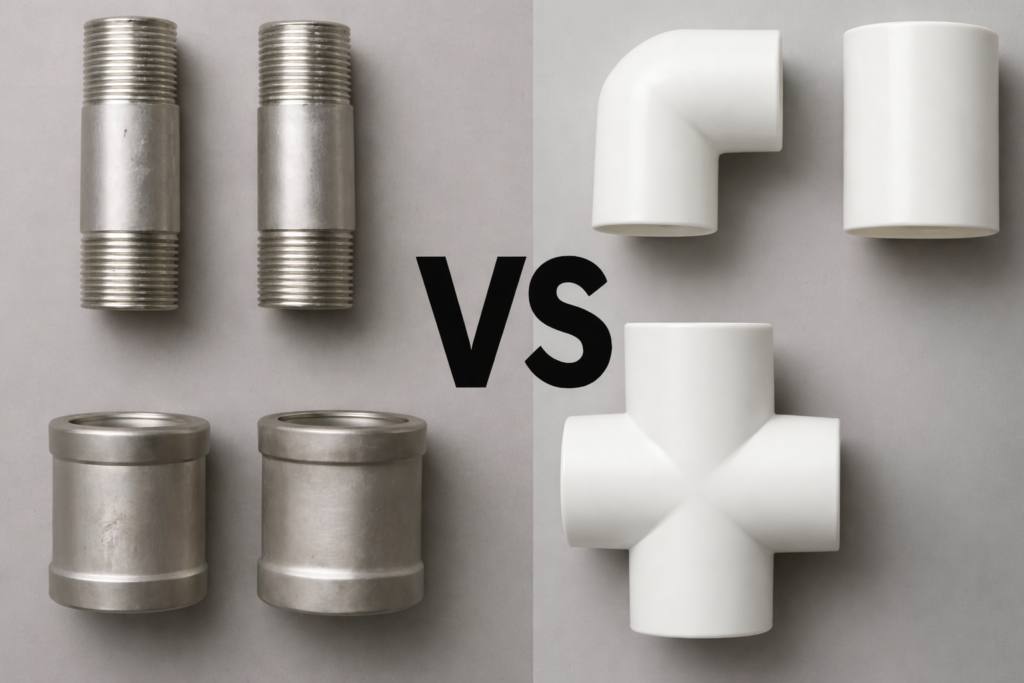
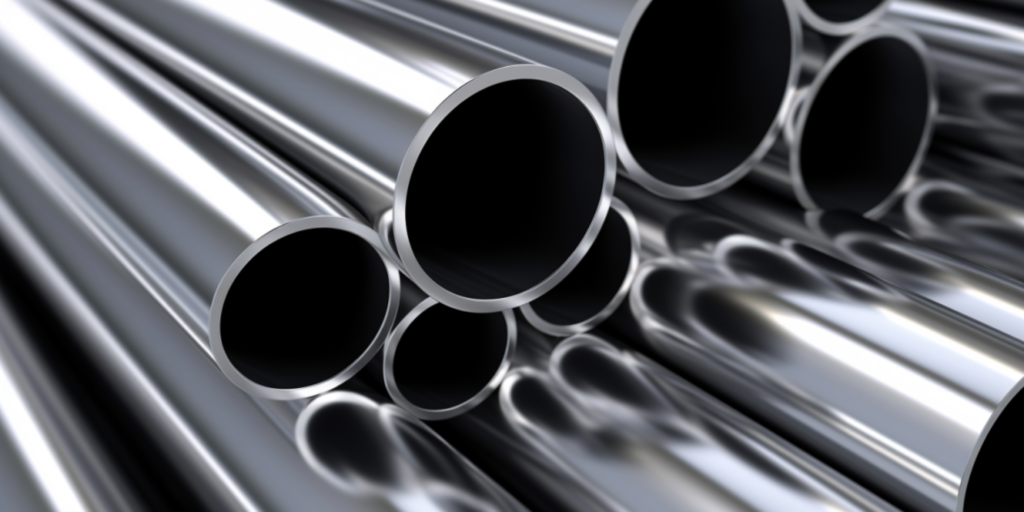
Biggest Stainless Steel Pipe Manufacturers in Ghaziabad? Ghaziabad is a major industrial hub near Delhi, with a long history in steel production. One of the key players in this region is Deal On Steel Industries Pvt. Ltd., a Ghaziabad-based firm specializing in stainless steel (SS) pipes and fittings. Stainless steel pipes themselves are steel alloys containing at least 10.5% chromium, giving them a self-healing chromium-oxide surface that resists rust. This corrosion resistance makes SS pipes ideal for many applications, from industrial fluid transport to plumbing and food processing lines. In this blog, we explore types of SS pipes, popular grades like 304, the role of SS pipe fittings, market pricing, and how Deal On Steel Industries meets Ghaziabad’s stainless steel needs. Stainless Steel Pipes: Types and Applications Stainless steel pipes come in several grades and forms. Austenitic stainless steels such as grades 304 and 316 are most common for pipes. Grade 304 SS (18% Cr, 8% Ni) is a versatile “workhorse” grade – it balances strength, corrosion resistance, and cost. Grade 316 adds molybdenum (Mo) to resist chlorides and harsh chemicals, so it’s often used in marine or chemical-processing environments. In general, a stainless steel pipe’s chromium content produces a thin, self-repairing oxide film that prevents rust. This makes SS pipes last much longer in wet or corrosive conditions than ordinary steel. For instance, Type 304 and 304L stainless steels are widely used for potable water and food/beverage lines. These grades can handle high strength and wide temperature ranges while meeting hygiene standards for plumbing and processing equipment. 304 Stainless Steel Pipe Among SS grades, 304 stainless steel pipe is particularly popular due to its excellent combination of corrosion resistance, weldability, and value. As one supplier notes, “Grade 304 is the trusty, all-around performer” with a broad range of applications. It resists oxidizing acids and performs well for water treatment, plumbing systems, kitchen equipment, and general industrial piping. (It’s also food-safe and meets FDA sanitary regs, making it ideal for food and pharmaceutical lines.) The key trade-off is that 304 can pit in chloride-rich (salty) environments; that’s when higher grades like 316 are preferred. In short, 304 SS pipe offers reliable performance for most projects at a moderate price, which is why it dominates many piping applications Seamless Stainless Steel Pipe SS pipes can be made seamless or welded. A seamless stainless steel pipe is formed from a solid steel billet (no weld line). This construction gives seamless pipes superior integrity: they tolerate higher pressures and avoid weld-related defects or corrosion points. In practice, seamless pipes are often used where strength and purity are critical, such as high-pressure boilers, heat exchangers, or critical fluid lines. Deal On Steel Industries stocks both seamless and welded SS pipes, understanding that project specs dictate the choice. (Typically, seamless SS pipe costs more per meter than the same size of welded pipe, reflecting its manufacturing complexity.) Stainless Steel Pipe Fittings Stainless steel pipe systems also require SS fittings (elbows, tees, reducers, couplings, caps, etc.) made of the same material. These fittings, made from SS alloys with ≥10.5% chromium, ensure the entire assembly resists corrosion. For example, 304-grade SS fittings are common for water or chemical systems because they pair with 304 pipes for full compatibility. In Ghaziabad, Deal On Steel Industries not only supplies pipes but also manufactures and stocks an extensive range of SS pipe fittings in many grades (304, 316, 321, 317L, 310, 347, 904L, etc.). These include elbows, tees, couplings and more, enabling customers to build complete SS piping networks. Stainless Steel vs. Other Fitting Materials: Stainless fittings have clear advantages over alternatives. Because of their chromium content, stainless fittings inherently resist corrosion much better than galvanized steel (which relies on a zinc coating that can wear off). They also outperform copper and PVC in demanding applications. For instance, copper fittings (common in home plumbing) are strong but are prone to corrosion in some water chemistries, whereas stainless steel stays passivated in a wider range of environments. Likewise, PVC (plastic) fittings are cheap and chemical-resistant but cannot handle high pressures or temperatures – stainless steel can. The images below illustrate these contrasts:   Galvanized vs. stainless steel pipe fittings. Unlike galvanized fittings (left) whose zinc coating may rust over time, stainless steel fittings (right) have chromium built in and thus provide superior long-term corrosion resistance Stainless steel vs. PVC fittings. Stainless steel (left) is vastly stronger and tolerates heat/chemicals far beyond PVC (right). PVC is lightweight and cheap but not suitable for high-pressure or high-temp plumbing Stainless Steel Plumbing Fittings For plumbing, SS fittings are prized for hygiene and durability. Grades 304/304L are commonly specified for potable water lines because they do not leach and resist biofilm formation. The comparisons above show that stainless steel plumbing fittings far outlast and outperform galvanized, copper or plastic alternatives in corrosive or industrial water environments. This reliability and long life mean that even though stainless fittings cost more upfront, they often yield lower life-cycle costs in critical systems. In short, wherever clean water or chemicals are transported (in buildings, food plants, hospitals, etc.), SS plumbing fittings are increasingly the material of choice. Stainless Steel Pipe Price and Market Trends For plumbing, SS fittings are prized for hygiene and durability. Grades 304/304L are commonly specified for potable water lines because they do not leach and resist biofilm formation. The comparisons above show that stainless steel plumbing fittings far outlast and outperform galvanized, copper or plastic alternatives in corrosive or industrial water environments. This reliability and long life mean that even though stainless fittings cost more upfront, they often yield lower life-cycle costs in critical systems. In short, wherever clean water or chemicals are transported (in buildings, food plants, hospitals, etc.), SS plumbing fittings are increasingly the material of choice. Deal On Steel Industries–Ghaziabad’s Stainless Steel Pipe Supplier Deal On Steel Industries Pvt. Ltd. is one of Ghaziabad’s prominent stainless steel pipe suppliers and manufacturers. Founded in 2020, it is active in construction-materials distribution and has quickly positioned itself as a “leading provider of high-quality stainless steel pipes in India”. The company maintains a wide
Steel Pipes Manufacturer in Chennai
Uncategorized

SS schedule pipe chart

SS Pipe Schedule Chart Home – Blog Complete Stainless Steel Pipe Schedule Chart for Industrial & Construction Use Stainless steel pipes are widely used across industries such as construction, oil & gas, chemical processing, and water systems due to their strength, corrosion resistance, and durability. One of the most important aspects of selecting the right pipe is understanding the SS pipe schedule chart, which defines the wall thickness of pipes for different sizes. At Deal On Steel Industries, we provide a complete range of stainless steel pipes along with detailed technical guidance, including pipe schedules, sizes, and weight charts to help engineers, contractors, and buyers make informed decisions. This guide explains everything about SS pipe schedule, pipe thickness chart, nominal pipe size (NPS), and stainless steel pipe weight, making it a complete reference for industrial and commercial use. What is Pipe Schedule in Stainless Steel Pipes? Pipe schedule refers to the wall thickness of a pipe, which directly affects its strength, pressure handling capacity, and durability. It is denoted by numbers such as SCH 10, SCH 20, SCH 40, SCH 80, SCH 160, etc. The higher the schedule number, the thicker the pipe wall and the greater its ability to withstand pressure. For example, SCH 80 pipes have thicker walls compared to SCH 40 pipes of the same diameter. Understanding pipe schedules is essential when selecting pipes for applications involving fluid flow, pressure systems, or structural requirements. Understanding Nominal Pipe Size (NPS) and DN Before reading the schedule chart, it is important to understand pipe sizing terminology. Nominal Pipe Size (NPS) is a standard used to define pipe size in inches. It does not always represent the exact outer diameter but serves as a reference for standardization. Diameter Nominal (DN) is the metric equivalent of NPS and is commonly used in international standards. It represents the approximate internal diameter of the pipe in millimeters. Both NPS and DN are used together in pipe charts to ensure clarity in global applications. SS Pipe Schedule Chart (Thickness in mm) Below is a detailed stainless steel pipe schedule chart showing thickness for common schedules: NPS (Inch) DN (mm) SCH 10 SCH 20 SCH 40 SCH 80 SCH 160 1/2″ 15 2.11 2.41 2.77 3.73 4.78 3/4″ 20 2.11 2.41 2.87 3.91 5.56 1″ 25 2.77 2.87 3.38 4.55 6.35 1.5″ 40 2.77 2.97 3.68 5.08 7.14 2″ 50 2.77 3.18 3.91 5.54 8.74 3″ 80 3.05 3.91 5.49 7.62 11.13 4″ 100 3.05 4.19 6.02 8.56 13.49 6″ 150 3.40 4.78 7.11 10.97 18.26 SS Pipe Weight Chart (Per Meter) The weight of stainless steel pipes depends on diameter and thickness. Below is an approximate weight chart: NPS SCH 40 Weight (kg/m) SCH 80 Weight (kg/m) 1″ 2.50 3.24 2″ 5.44 8.07 3″ 10.25 14.98 4″ 16.07 22.32 6″ 28.26 42.56 Types of Stainless Steel Pipes Stainless steel pipes are available in different types based on manufacturing methods and applications. Seamless pipes are manufactured without welding joints, making them stronger and suitable for high-pressure applications such as oil & gas and chemical industries. Welded pipes are made by rolling and welding steel sheets. They are cost-effective and widely used in construction and general industrial applications. ERW pipes (Electric Resistance Welded) are commonly used in structural and low-pressure applications due to their affordability and consistent quality. Applications of SS Pipes Stainless steel pipes are used across multiple industries due to their corrosion resistance and strength. In construction, they are used for structural frameworks, railings, and plumbing systems. In the oil and gas industry, SS pipes are essential for transporting fluids under high pressure and temperature conditions. Their resistance to corrosion ensures long-term reliability. In chemical and pharmaceutical industries, stainless steel pipes are used because they do not react with chemicals and maintain purity standards. They are also widely used in water supply systems, food processing units, and marine applications. Advantages of Stainless Steel Pipes Stainless steel pipes offer several advantages that make them superior to other materials. They provide excellent corrosion resistance, making them suitable for harsh environments. Their high strength allows them to handle pressure and mechanical stress effectively. They are durable and require minimal maintenance, reducing long-term costs. Additionally, stainless steel pipes are environmentally friendly and recyclable. How to Choose the Right Pipe Schedule Selecting the correct pipe schedule depends on several factors, including pressure requirements, temperature conditions, and application type. For low-pressure applications such as water flow, SCH 10 or SCH 20 pipes are generally sufficient. For medium-pressure systems, SCH 40 is commonly used. High-pressure applications, such as industrial pipelines and chemical processing, require thicker pipes like SCH 80 or SCH 160. Why Choose Deal On Steel Industries? Deal On Steel Industries is a trusted supplier of stainless steel pipes, offering a wide range of sizes, schedules, and specifications. We provide high-quality products that meet industry standards and are suitable for various industrial and construction applications. Our team ensures that customers receive the right technical guidance for selecting the appropriate pipe schedule and size. With competitive pricing, bulk availability, and reliable delivery, we serve clients across multiple industries with consistent quality and service. Conclusion Understanding the SS pipe schedule chart is essential for selecting the right stainless steel pipe for any application. From thickness and weight to pressure handling capacity, every factor plays a crucial role in ensuring performance and safety. With the right knowledge and a reliable supplier like Deal On Steel Industries, businesses can make informed decisions and achieve long-lasting results in their projects. About Company Deal On Steel Industries Pvt. Ltd. has established itself as a leading provider of high-quality stainless steel pipes in India. We are dedicated to exceeding client expectations by delivering superior products, believing this is the definitive path to success. Most Recent Posts All Posts Ms erw Pipes Stainless Steel Coils stainless steel fittings Stainless steel Flanges Stainless Steel Pipes Stainless steel sheets Stainless steel Tubes SS schedule pipe chart corrosion resistant steel supplier What is the main disadvantage of mild steel? MS ERW Pipes

Disadvantage of Mild Steel pipes
Uncategorized

What is the main disadvantage of mild steel?

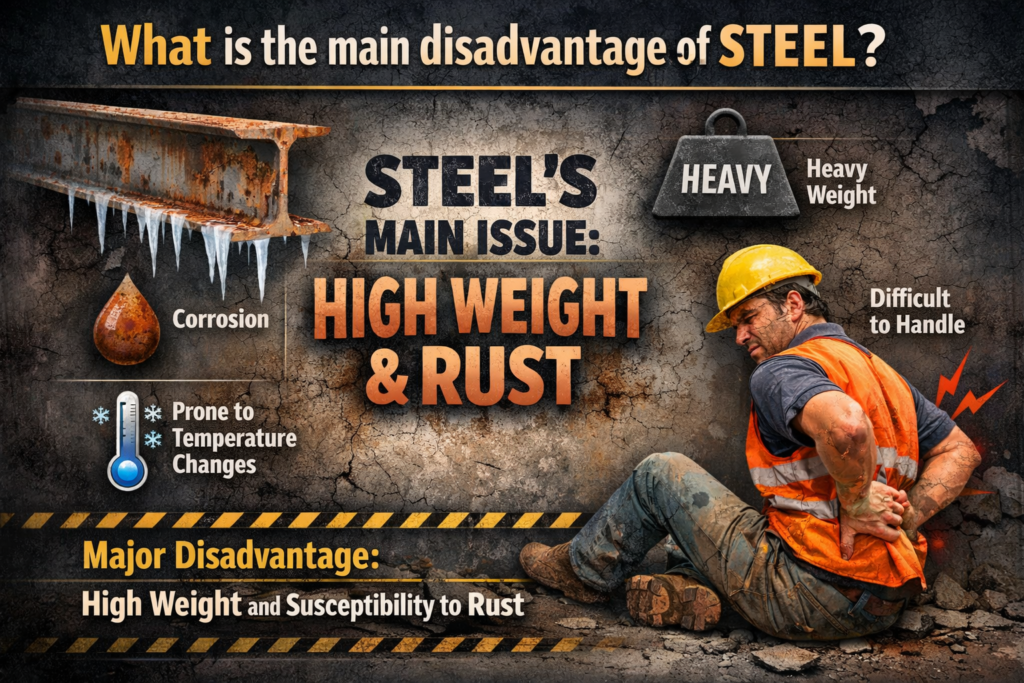
Disadvantage of Mild Steel pipes Home – Main Disadvantage of Mild Steel Pipes What Is the Main Disadvantage of Mild Steel? Mild steel is one of the most widely used materials in construction, manufacturing, and infrastructure development due to its strength, affordability, and ease of fabrication. It is commonly used for structural components, pipelines, machinery parts, and fabrication projects. Many industries prefer mild steel because it offers an excellent balance between durability and cost-effectiveness. However, despite its many advantages, mild steel also has certain limitations that users should understand before selecting it for specific applications. For businesses searching for ms erw pipes suppliers navi mumbai, understanding both the benefits and disadvantages of mild steel can help in choosing the right materials and protective solutions for long-term performance. The Main Disadvantage of Mild Steel The primary disadvantage of mild steel is its susceptibility to corrosion. Because mild steel contains a relatively low amount of chromium and other corrosion-resistant elements, it can rust when exposed to moisture, oxygen, and harsh environmental conditions. When mild steel comes into contact with water or humid environments, oxidation occurs on the surface, forming rust. Over time, this corrosion can weaken the structural integrity of the material and reduce its lifespan if proper protective measures are not applied. For pipelines and structural systems exposed to outdoor environments, corrosion protection is essential. This is why many mild steel products are treated with protective coatings such as paint, galvanization, or specialized anti-corrosion layers to extend their durability. Other Limitations of Mild Steel While corrosion is considered the main disadvantage, mild steel also has a few additional limitations depending on the application. Lower Corrosion Resistance Compared to Stainless Steel Unlike stainless steel, mild steel does not naturally resist rust. Stainless steel contains chromium that forms a protective oxide layer, whereas mild steel requires external coatings or treatments to prevent corrosion. Regular Maintenance Requirements Because mild steel can rust over time, it may require periodic maintenance, painting, or protective coatings to maintain its performance in certain environments. Limited Performance in Harsh Chemical Environments In industries where pipelines carry aggressive chemicals or operate in highly corrosive environments, materials such as stainless steel or alloy steel may sometimes be preferred. Why Mild Steel Is Still Widely Used Despite these limitations, mild steel remains one of the most popular materials used in construction and industrial projects. The reason is that its disadvantages can be effectively managed through proper design, coatings, and maintenance. Some of the reasons industries continue to rely on mild steel include: High structural strength Excellent weldability Easy fabrication and machining Cost-effectiveness for large projects Wide availability in different sizes and specifications When properly protected with coatings or galvanization, mild steel can perform reliably for many years even in demanding conditions. Applications of MS ERW Pipes MS ERW pipes (Electric Resistance Welded pipes) are one of the most commonly used forms of mild steel piping. These pipes are manufactured by rolling steel strips into cylindrical shapes and welding the edges together using electrical resistance. They are widely used in industries such as: Construction and infrastructure projects Water supply and plumbing systems Structural frameworks and scaffolding Fabrication and engineering applications Industrial pipeline systems Because of their strength and cost efficiency, MS ERW pipes are a practical solution for many large-scale projects. Reliable MS ERW Pipes Suppliers in Navi Mumbai For businesses and contractors searching for ms erw pipes suppliers in Pune, choosing a reliable supplier is essential to ensure product quality and long-term performance. Deal On Steel Industries supplies high-quality MS ERW pipes designed to meet the requirements of construction, infrastructure, and industrial applications. The company focuses on providing durable mild steel piping solutions that comply with industry standards and deliver dependable performance in a wide range of projects. With a strong supply network and a commitment to quality, Deal On Steel Industries offers MS ERW pipes in multiple sizes and specifications to meet the diverse needs of contractors, engineers, and industrial clients in Mumbai and across India. Conclusion The main disadvantage of mild steel is its tendency to corrode when exposed to moisture and environmental conditions. However, with proper coatings, maintenance, and quality manufacturing, mild steel products can deliver reliable performance for many years. For businesses looking for ms erw pipes suppliers navi mumbai, Deal On Steel Industries provides high-quality MS ERW pipes that combine strength, durability, and cost-effectiveness. By choosing a trusted supplier and the right protective measures, mild steel pipes can remain a dependable solution for a wide range of construction and industrial applications. Frequently Asked Questions (FAQs) What Is the Main Disadvantage of Mild Steel? The main disadvantage of mild steel is its susceptibility to corrosion when exposed to moisture and air. Because mild steel contains a low percentage of alloying elements, it does not naturally resist rust like stainless steel. If mild steel pipes or structures are used in environments with high humidity or water exposure, they may develop rust over time. However, this issue can be effectively managed through protective coatings, painting, galvanization, or proper maintenance. When properly treated and maintained, mild steel products can last for many years while maintaining their strength and reliability. At Deal On Steel Industries, high-quality mild steel pipes are supplied with proper finishing and standards to ensure durability in construction and industrial applications. Is Mild Steel Good? Yes, mild steel is considered one of the most practical and widely used engineering materials in construction, fabrication, and industrial manufacturing. It offers an excellent balance of strength, flexibility, affordability, and ease of fabrication. Some of the key reasons why mild steel is widely preferred include: High strength for structural applications Easy welding, cutting, and fabrication Cost-effective compared to many other metals Suitable for construction, pipelines, and machinery structures Because of these advantages, mild steel pipes and sections are commonly used in buildings, bridges, infrastructure projects, and industrial equipment. Deal On Steel Industries supplies high-quality mild steel pipes and structural steel products designed to meet industry requirements and deliver reliable performance. Which Is

Stainless Steel Pipes, Uncategorized

SS Pipe Dealer in Pune

Table of Contents Stainless Steel Pipe Supplier in Pune About Deal On Steel – Trusted SS Pipe Supplier 🏭 Industries We Serve What is Stainless Steel Pipe? Types of SS Pipes We Supply SS Pipe Sizes & Specifications Major Applications SS Pipe Price in Pune Why Choose Deal On Steel as Your SS Pipe Supplier? Frequently Asked Questions (FAQ) Conclusion Stainless Steel Pipe Supplier in Pune 🏭 By Deal On Steel Team 📅 March 2025 ⏱️ 5 min read Stainless Steel Pipe is one of the most essential raw materials used across industrial, commercial, and infrastructure sectors. From fluid transportation to structural frameworks, stainless steel pipes are valued for their strength, corrosion resistance, hygiene, and long operational life. Pune, being one of India’s fastest-growing industrial cities, has a consistent and high demand for quality stainless steel piping solutions. If you are searching for a Stainless Steel Pipe Supplier in Pune, it is important to choose a supplier who not only offers competitive pricing but also ensures material quality, proper certification, and reliable delivery timelines. This is where Deal On Steel stands out as a dependable and experienced supplier catering to diverse industries with a complete range of Stainless Steel Pipe products. About Deal On Steel – Trusted SS Pipe Supplier Deal On Steel is a reputed name in the stainless steel trading industry, known for supplying high-quality Stainless Steel Pipe products across Pune and PAN India. We work closely with trusted mills and SS Pipe Manufacturers to ensure that every pipe supplied meets national and international quality standards. Our focus is not just on selling steel but on building long-term relationships by offering technical guidance, transparent pricing, and consistent supply. Whether you are a fabricator, EPC contractor, OEM, or industrial buyer, we ensure you receive the right Stainless Steel Pipe for your application. 📦 Large inventory • Ready stock • PAN India supply Stock Availability & Supply Capability One of the biggest advantages of choosing Deal On Steel is our strong inventory management. We maintain ready stock of commonly used SS pipe grades and sizes to support urgent and bulk requirements. Large inventory of SS 304 and SS 316 pipes Seamless and welded pipe options available Standard sizes readily available Custom sizes arranged on demand This allows us to function as a reliable SS Pipe Dealer in Pune, minimizing lead time and project delays. 🏭 Industries We Serve Our Stainless Steel Pipe solutions are used across multiple industries, including: Oil & Gas Construction & Infrastructure Food & Beverage Processing Pharmaceutical Manufacturing Chemical & Fertilizer Plants Power & Energy Sector Automotive & Engineering What is Stainless Steel Pipe? A Stainless Steel Pipe is a tubular product manufactured using stainless steel alloys that contain chromium as a primary element. Chromium forms a passive layer on the surface, protecting the pipe from corrosion and rust. Key Properties of Stainless Steel Pipe 🛡️ Corrosion Resistance Stainless Steel Pipe performs exceptionally well in corrosive environments, including moisture-rich, chemical, and marine conditions. ⚙️ High Mechanical Strength It can withstand high pressure, temperature variations, and mechanical stress, making it suitable for industrial pipelines. 🏗️ Wide Industrial Applications Used in fluid transfer, gas pipelines, structural applications, and hygienic systems. ⏳ Long Service Life Low maintenance and durability make Stainless Steel Pipe a cost-effective long-term investment. Types of SS Pipes We Supply SS 304 Pipe SS 304 is the most commonly used stainless steel grade due to its versatility and affordability. ✅ Excellent corrosion resistance ✅ Good weldability and formability ✅ Food-grade and water applications Uses: Food processing, water lines, architectural works, general fabrication. Sizes: Multiple OD, thickness, and length options available. →SS 304 Pipe SS 316 Pipe SS 316 pipes contain molybdenum, significantly improving resistance to chlorides and chemicals. ✅ Superior chemical resistance ✅ Ideal for marine/coastal areas ✅ Better in acidic environments Note: SS 316 Pipe Price is generally higher than SS 304, but offers better durability. → SS 316 Pipe 🔩 Stainless Steel Seamless Pipe Manufactured without any welded joint, ensuring uniform structure and higher pressure resistance. High strength, leak-proof Smooth internal surface Ideal for high-pressure/temperature Applications: Oil & gas pipelines, boilers, power plants. ⚡ Stainless Steel Welded Pipe Made by rolling and welding steel strips or plates. Cost-effective Suitable for low/medium pressure Widely used in structural work SS Pipe Sizes & Specifications Parameter Range / Options Outer Diameter (OD) Small bore to large diameter pipes Thickness Light, medium, and heavy wall Length Standard & custom cut sizes Grades SS 304, SS 316, and other variants Major Applications Oil & Gas Industry – Transporting crude oil, gas, refined products. Construction & Infrastructure – Structural frameworks, handrails. Food Industry – Hygienic processing systems. Pharmaceutical Industry – Cleanroom piping. Chemical Plants – Handling corrosive chemicals. SS Pipe Price in Pune Customers often enquire about SS Pipe Price in Pune, but pricing varies depending on multiple factors: Grade selection (SS 304 or SS 316) Pipe diameter and wall thickness Quantity ordered (bulk orders are economical) Current raw material and nickel prices Instead of publishing fluctuating rates, we provide accurate quotations based on your exact requirement. Why Choose Deal On Steel as Your SS Pipe Supplier? 📦 Large bulk stock – Ready inventory 🚚 Fast delivery – PAN India logistics 📄 Mill Test Certificates – Quality assurance 💰 Competitive pricing – Transparent quotes 🔧 Technical guidance – Expert support 🤝 Long-term relationships – Trusted partner Frequently Asked Questions (FAQ) SS 304 aur SS 316 me kya difference hai? ▼ SS 304 general industrial aur food-grade applications ke liye suitable hota hai, jabki SS 316 chemical aur marine environments ke liye better hota hai. SS Pipe ka current rate kya hai? ▼ SS Pipe ka rate grade, thickness, quantity aur market condition par depend karta hai. Exact quote ke liye contact karein. Kya aap bulk order lete hain? ▼ Haan, hum bulk aur project-based Stainless Steel Pipe orders PAN India supply karte hain. Delivery kitne din me milti hai? ▼ Stock material ki delivery 2–5 working days me ho jati

metal tubes
Uncategorized

Stainless Steel Pipes Uses in Industry

Stainless Steel Pipes and Tubes: Top Manufacturers, Prices, Suppliers, and Specifications in India. Table of Contents Stainless Steel Pipes and Tubes: Top Manufacturers, Prices, Suppliers, and Specifications in India. Overview of Stainless Steel Pipes and Tubes Top 10 Stainless Steel Pipe Manufacturers in India 202 Stainless Steel Pipes Manufacturer Stainless Steel Pipes Supplier in Delhi Stainless Steel Pipes Supplier in Mumbai SS Pipe Exporters India SS316 Stainless Steel Stainless Steel Pipe Price Analysis Stainless Steel Pipe Weight Chart Stainless Steel Pipes Near Me SS Pipes Near Me Stainless Steel Pipe Fittings SS Steel Pipes SS Pipes and Tubes You need reliable facts to choose the right stainless steel pipes and tubes for projects ranging from plumbing and oil & gas to architectural finishes. This guide shows where to find top Indian manufacturers and suppliers, how prices and weights typically behave, and which grades (like SS316 and 202) suit specific uses so you can compare options quickly and confidently. Expect clear overviews of product types, a ranked look at leading Indian producers and exporters, local supply options in Delhi and Mumbai, price and weight benchmarks (including 20-foot pipe pricing and per‑kg rates), and practical tips on fittings and searching “near me” suppliers to source the right material for your needs. Overview of Stainless Steel Pipes and Tubes Stainless steel pipes and tubes vary by manufacture method, grade, and finish, and they serve pressure, structural, and hygienic roles across industries. You’ll choose by grade (304, 316, duplex), fabrication (seamless, welded), size, and surface finish to match corrosion resistance, strength, and system requirements. Types of Stainless Steel Pipes You’ll encounter four common types: seamless, welded (ERW/LSAW), fabricated/large-diameter, and precision tubing. Seamless pipes form from a solid billet and offer uniform strength and superior performance under high pressure and temperature. Welded pipes use rolled strips joined by fusion; they suit lower-pressure systems and are more economical for large diameters. Grades matter: 304 is the general-purpose austenitic grade; 316 adds molybdenum for better chloride resistance; duplex grades provide higher strength and improved stress-corrosion cracking resistance. Finishes include pickled, annealed, polished (mill or bright), and bead-blasted, which affect hygiene and cleanability for food, pharma, and architectural uses. Standard sizes run from small OD tubing (6 mm) to large fabricated pipes (600+ mm), with wall thicknesses from thin-walled tubing to heavy schedules. You’ll pick size and schedule using pressure calculations, flow needs, and available fittings. Top 10 Stainless Steel Pipe Manufacturers in India This list focuses on companies that combine consistent material quality, certified processes, wide product ranges, and strong distribution networks. You’ll find manufacturers that supply ASTM/IS-grade seamless and welded pipes, export capabilities, and local support in major hubs like Mumbai and Delhi. Criteria for Selecting Leading Manufacturers You should prioritize consistent adherence to grade specifications such as SS 304, SS 316, and ASTM A312. Check whether the manufacturer produces both seamless and welded pipes, and whether they offer related products like tubes, fittings, and customized sizes. Evaluate manufacturing capacity and mill testing: look for documented capacity (tonnage or production lines), hydrostatic and PMI test records, and full traceability from melt to finished product. Also confirm supply-chain resilience — raw-material sourcing from reputable mills and buffer inventory for fast delivery. Service factors matter. Confirm lead times for common lengths (e.g., 20-foot pipe availability), minimum order quantities, local warehousing in Mumbai or Delhi, and export documentation support if you’ll ship internationally. 202 Stainless Steel Pipes Manufacturer 202 stainless steel offers a cost-effective alternative to 304 for applications where moderate corrosion resistance and good formability matter. You’ll find it used widely in interior fittings, light structural work, and some food equipment where high chloride exposure is unlikely. Properties of 202 Stainless Steel 202 is an austenitic stainless steel with lower nickel and higher manganese than 304.Typical composition: ~17–19% chromium, ~4–6% nickel (often partially substituted by manganese up to ~7%), and small carbon (≤0.12%).You should expect tensile strength around 520–690 MPa and yield strength near 205–275 MPa, depending on cold work and exact temper. Corrosion resistance is moderate: it resists atmospheric and many industrial environments but performs poorly in chloride-rich or marine conditions compared with 304/316.It machines and forms well and is often specified when magnetic response after cold work is acceptable.Weldability is generally good with common methods, but post-weld corrosion resistance can be lower without proper shielding and filler choice. Popular 202 Stainless Steel Pipe Manufacturers Major Indian manufacturers and suppliers produce 202 pipes for domestic and export markets.Companies such as Lakshay Steel, Santosh Steel & Pipes, and regional mills in Maharashtra, Gujarat, and Delhi NCR are known for producing standard pipe schedules and welded/TIG-seamed options. When you compare suppliers, check these specifics: Product forms: ERW welded, seamless, and small-bore tubing. Size range: typical OD from 6 mm to 219 mm for tubing and up to 12″ (depending on mill). Certifications: ISO 9001, material test certificates (MTC), and third-party inspection options. Pricing factors: coil/plate feedstock costs, surface finish (2B/ba), and order quantity.Request MTC and in-house chemistry reports to confirm the manganese/nickel balance if corrosion performance concerns you. Common Uses of 202 Stainless Steel Pipes You’ll commonly see 202 pipes in indoor architectural applications like stair rails, handrails, and decorative tubing.Manufacturing industries use it for HVAC ducts, furniture frames, and light structural components where exposure to harsh chemicals or seawater is minimal. Use 202 for food-contact light-duty items and kitchen equipment that won’t face heavy sanitizing with chlorinated agents.Avoid 202 for offshore, coastal, or high-chloride process lines; choose 304 or 316 for those environments.When cost and formability matter more than top-tier corrosion resistance, 202 often meets your needs. Stainless Steel Pipes Supplier in Delhi Delhi offers a wide range of stainless steel pipe suppliers that stock common grades (304, 316/316L) and sizes, provide cut-to-length services, and supply ASTM/ASME-certified material for industrial and sanitary uses. You can find both large stockists with thousands of tons in inventory and smaller local distributors who handle custom orders and urgent deliveries. Major Suppliers Operating in Delhi Look for suppliers that explicitly list

pipes and tubes
Stainless Steel Pipes, Uncategorized

Stainless Steel Pipe Complete Guide

Stainless Steel Pipe Solutions: Everything You Need to Know About Steel Pipes and Fittings Table of Contents Introduction The stainless steel pipe industry has become a cornerstone of modern construction and manufacturing. Whether you’re working on a commercial project or need steel pipes and fittings for industrial applications, understanding the different types and specifications is essential for making informed decisions. Understanding Stainless Steel Pipes A stainless pipe is a hollow cylindrical structure made from stainless steel alloy, designed to transport fluids, gases, or provide structural support. Unlike regular steel pipes, stainless steel variants offer superior corrosion resistance, making them ideal for harsh environments and demanding applications. Key Benefits of Stainless Steel Pipes Types of Steel Pipes Seamless Pipe A seamless pipe is manufactured without any welded joints, created by piercing a solid steel billet. This seamless steel pipe offers superior strength and pressure resistance compared to welded alternatives. Advantages of Seamless Pipes: ERW Pipe ERW pipe (Electric Resistance Welded) is manufactured by rolling steel strips and welding the seam using electric resistance. These steel pipes are cost-effective and widely used in various industries. Benefits of ERW Pipes: Stainless Steel Tube vs Pipe While often used interchangeably, stainless steel tube and pipes have distinct differences: Popular Stainless Steel Grades 304 Stainless Steel 304 stainless steel is the most commonly used grade, containing 18% chromium and 8% nickel. This 304 stainless steel pipe offers excellent corrosion resistance and formability. Applications: The 304 stainless steel plate and 304 stainless steel coil are also popular forms of this versatile alloy. 316 Stainless Steel 316 stainless steel contains molybdenum, providing enhanced corrosion resistance, especially in chloride environments. A 316 stainless steel pipe is ideal for marine applications and chemical processing. Key Features: 316L Stainless Steel 316L stainless steel is the low-carbon version of 316, offering improved weldability and corrosion resistance. 316L stainless steel pipe is commonly used in pharmaceutical and food industries. Other Important Grades Applications and Uses Industrial Applications Steel pipe manufacturers produce pipes for various industrial sectors: Construction and Architecture Metal pipe systems are essential in construction: Food and Beverage Industry SS pipe is widely used in food processing due to its hygienic properties: Factors Affecting Stainless Steel Price Raw Material Costs Stainless steel price fluctuates based on several factors: Grade and Specifications Different grades command different prices: Market Demand Stainless steel sheets price and pipe prices are influenced by: How to Choose the Right Stainless Steel Suppliers Research Local Options Finding stainless steel suppliers near me offers several advantages: Evaluate Supplier Credentials When selecting stainless steel pipe suppliers, consider: Quality Certifications: Experience and Reputation: Compare Services Look for stainless steel pipe manufacturers that offer: Manufacturing Process Seamless Pipe Production Seamless stainless steel pipe manufacturing involves: Welded Pipe Production Stainless steel welded pipe production includes: Quality Control Measures Reputable steel pipe suppliers implement strict quality control: Quality Standards and Certifications International Standards Steel pipes must comply with various standards: Industry-Specific Requirements Different applications require specific certifications: Maintenance and Care Cleaning and Maintenance Proper maintenance extends the life of stainless steel tubes and pipes: Regular Cleaning: Preventive Measures: Common Issues and Solutions Corrosion Prevention: Stress Corrosion Cracking: Working with Distributors and Suppliers Finding Local Suppliers Stainless steel manufacturers near me can provide: Building Supplier Relationships Strong relationships with stainless steel distributors offer: Supplier Evaluation Criteria When choosing pipe suppliers, evaluate: Technical Capabilities: Service Quality: Future Trends and Innovations Technological Advancements The steel and pipe industry continues evolving: Sustainability Initiatives Stainless steel manufacturers are focusing on: Market Developments Industry trends affecting ss steel price and availability: Conclusion Selecting the right stainless steel pipe for your project requires understanding the various types, grades, and applications available. Whether you need a seamless pipe for high-pressure applications or ERW pipe for cost-effective solutions, working with experienced steel pipe manufacturers ensures you get quality products that meet your specifications. Consider factors like stainless steel price, supplier reliability, and technical support when making your decision. The investment in quality steel pipes and fittings pays off through improved performance, longevity, and reduced maintenance costs. Ready to find the perfect stainless steel solution for your project? Contact local stainless steel pipe suppliers today to discuss your specific requirements and get expert recommendations tailored to your application needs.

Scroll to Top