What Are the Benefits of Using Stainless Steel Pipes for Water Supply?
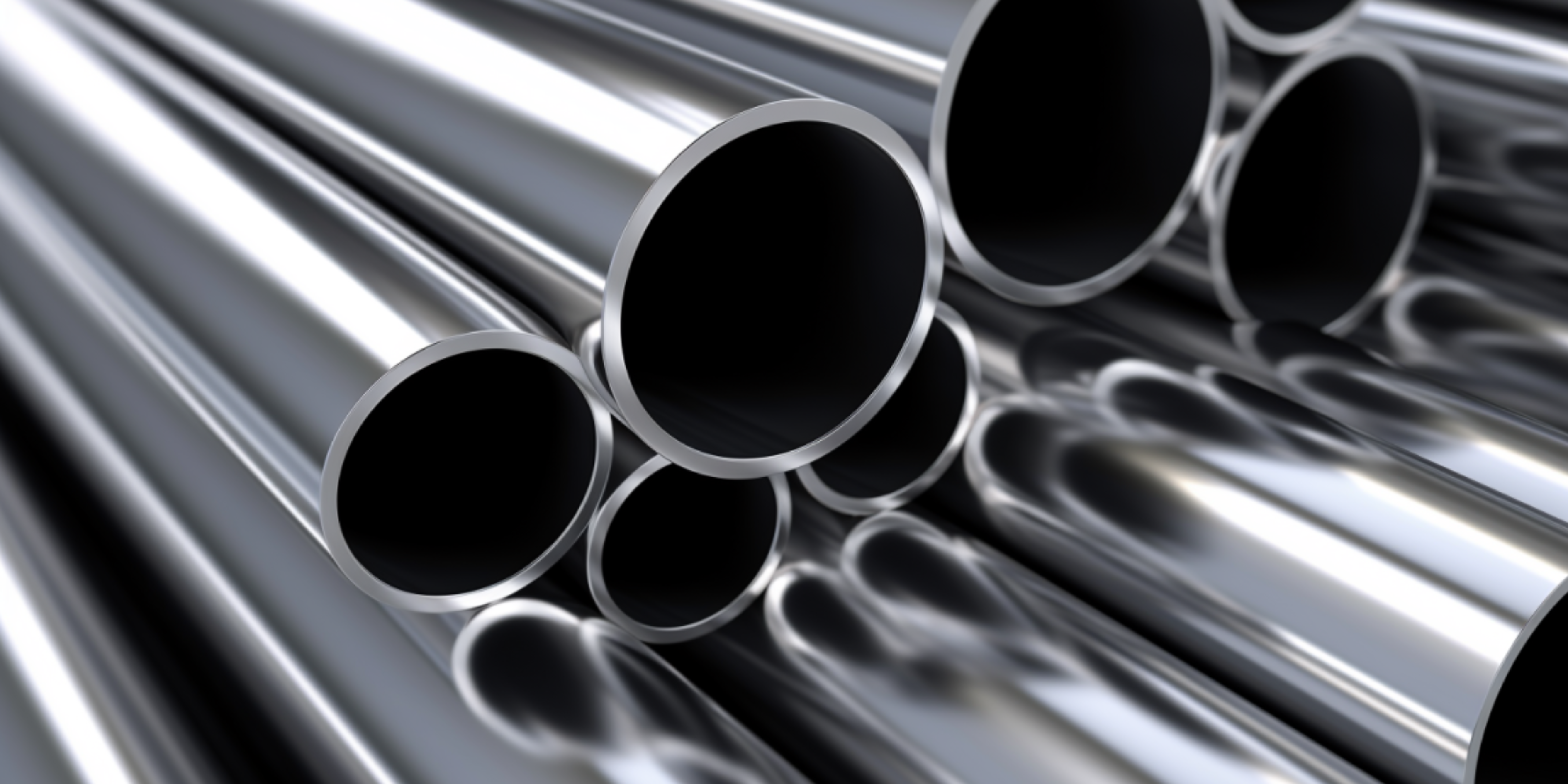
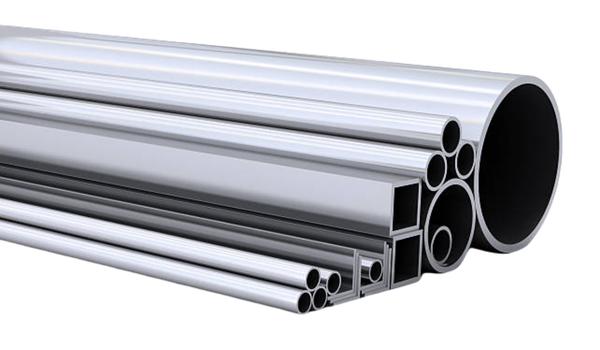
Stainless steel pipes are widely considered one of the most reliable and hygienic options for modern water supply systems. From residential plumbing to large-scale industrial water distribution, stainless steel piping provides durability, safety, and long-term cost efficiency. Due to its corrosion resistance and structural strength, stainless steel has become a preferred material for transporting potable water in both domestic and commercial infrastructure.
- Deal On Steel
- Home - Blog
- What Are the Benefits of Using Stainless Steel Pipes for Water Supply?
- Frequently Asked Questions (FAQs)
- About Company
- Most Recent Posts
- Stainless Steel Pipes for Water Supply
- What are SS Seamless Pipes
- Complete Guide to Mild Steel Pipes
- Top-rated ss pipe manufacturers for industrial use
- SS 304 Pipes Supply in India
- SS Pipe Dealer in Pune
- Stainless Steel Pipes Uses in Industry
- Category
- Tags
At Deal On Steel, stainless steel pipes are supplied for various water supply applications where reliability, hygiene, and longevity are essential. Understanding the advantages of stainless steel pipes helps engineers, contractors, and homeowners make informed decisions when selecting materials for plumbing and water distribution systems.
Excellent Corrosion Resistance
One of the most important benefits of stainless steel pipes is their exceptional resistance to corrosion. Water supply systems are constantly exposed to moisture and dissolved minerals, which can cause many materials to rust or deteriorate over time. Stainless steel contains chromium, which forms a thin protective oxide layer on the surface of the metal. This passive layer prevents rust and corrosion even when the pipe is exposed to water for long periods.
Because of this natural corrosion resistance, stainless steel pipes maintain their structural integrity and performance for decades without significant deterioration.
Safe and Hygienic for Drinking Water
Water quality is a critical concern in any plumbing system. Stainless steel pipes are non-reactive and do not leach harmful chemicals into the water. This makes them one of the safest materials for transporting drinking water.
Unlike some other materials that may alter the taste, odor, or chemical composition of water, stainless steel preserves water purity. The smooth internal surface of stainless steel pipes also minimizes bacterial growth and sediment buildup, ensuring a cleaner and healthier water supply.
 Long Service Life
Stainless steel pipes are known for their long operational life. Due to their resistance to corrosion, heat, and pressure, they can last significantly longer than many other piping materials used in water supply systems.
In properly installed systems, stainless steel pipes can function effectively for several decades with minimal maintenance. This long lifespan reduces the need for frequent pipe replacement, making them a reliable solution for residential buildings, commercial complexes, and industrial facilities.
High Strength and Pressure Resistance
Water distribution systems often operate under high pressure, especially in large buildings and municipal supply networks. Stainless steel pipes offer excellent mechanical strength and can withstand high pressure without deforming or failing.
Their high tensile strength makes them suitable for both underground and exposed installations. Even under fluctuating temperatures or pressure variations, stainless steel pipes maintain their stability and reliability.
Resistance to Temperature Changes
Water supply systems may experience significant temperature fluctuations, especially in industrial settings or regions with extreme climates. Stainless steel pipes perform well in both high-temperature and low-temperature environments.
They do not become brittle in cold conditions and can also withstand hot water systems without losing their structural properties. This temperature resistance makes stainless steel pipes ideal for both cold water and hot water plumbing systems.
Low Maintenance Requirements
Another advantage of stainless steel pipes is their low maintenance requirement. Because they resist corrosion, scaling, and chemical reactions, they do not require frequent inspection or repair.
The smooth internal surface also reduces mineral buildup and blockages within the pipeline. This helps maintain consistent water flow and reduces operational problems in plumbing systems.
Environmentally Friendly and Recyclable
Stainless steel is a sustainable material that can be fully recycled without losing its quality. This makes stainless steel pipes an environmentally responsible choice for modern construction and infrastructure projects.
Using recyclable materials reduces environmental impact and supports sustainable building practices. Many industries and construction projects prefer stainless steel piping systems because they align with green building standards.
Aesthetic and Structural Advantages
In addition to functional benefits, stainless steel pipes also offer aesthetic advantages in exposed plumbing systems. Their clean, metallic finish makes them suitable for modern architectural designs where piping may be visible.
The strength and durability of stainless steel also allow for thinner pipe walls compared to some other materials while still maintaining high performance.
Reliable Stainless Steel Pipe Supplier
When selecting stainless steel pipes for water supply systems, it is essential to choose a trusted supplier that provides quality-tested materials. Deal On Steel offers a wide range of stainless steel pipes designed for durability, safety, and performance in water distribution applications.
With a focus on quality and industry standards, Deal On Steel supplies stainless steel pipes that are suitable for residential plumbing, commercial buildings, and industrial water systems. Choosing high-quality piping solutions ensures long-term reliability and efficiency in any water supply project.
Frequently Asked Questions (FAQs)
What are the disadvantages of stainless steel pipes?
While stainless steel pipes offer excellent durability and corrosion resistance, there are a few limitations that buyers should consider before selecting them for certain applications.
One of the main disadvantages is the higher initial cost compared to materials such as PVC or mild steel. Stainless steel contains alloying elements like chromium and nickel, which increase manufacturing costs. This can make the upfront investment slightly higher, especially for large-scale projects.
Another factor is that stainless steel pipes can be more difficult to cut and fabricate compared to softer materials. Specialized tools and skilled labor may be required during installation.
However, experts at Deal On Steel Industries explain that despite the higher initial cost, stainless steel pipes often prove to be more economical in the long run because of their long lifespan, minimal maintenance, and strong resistance to corrosion.
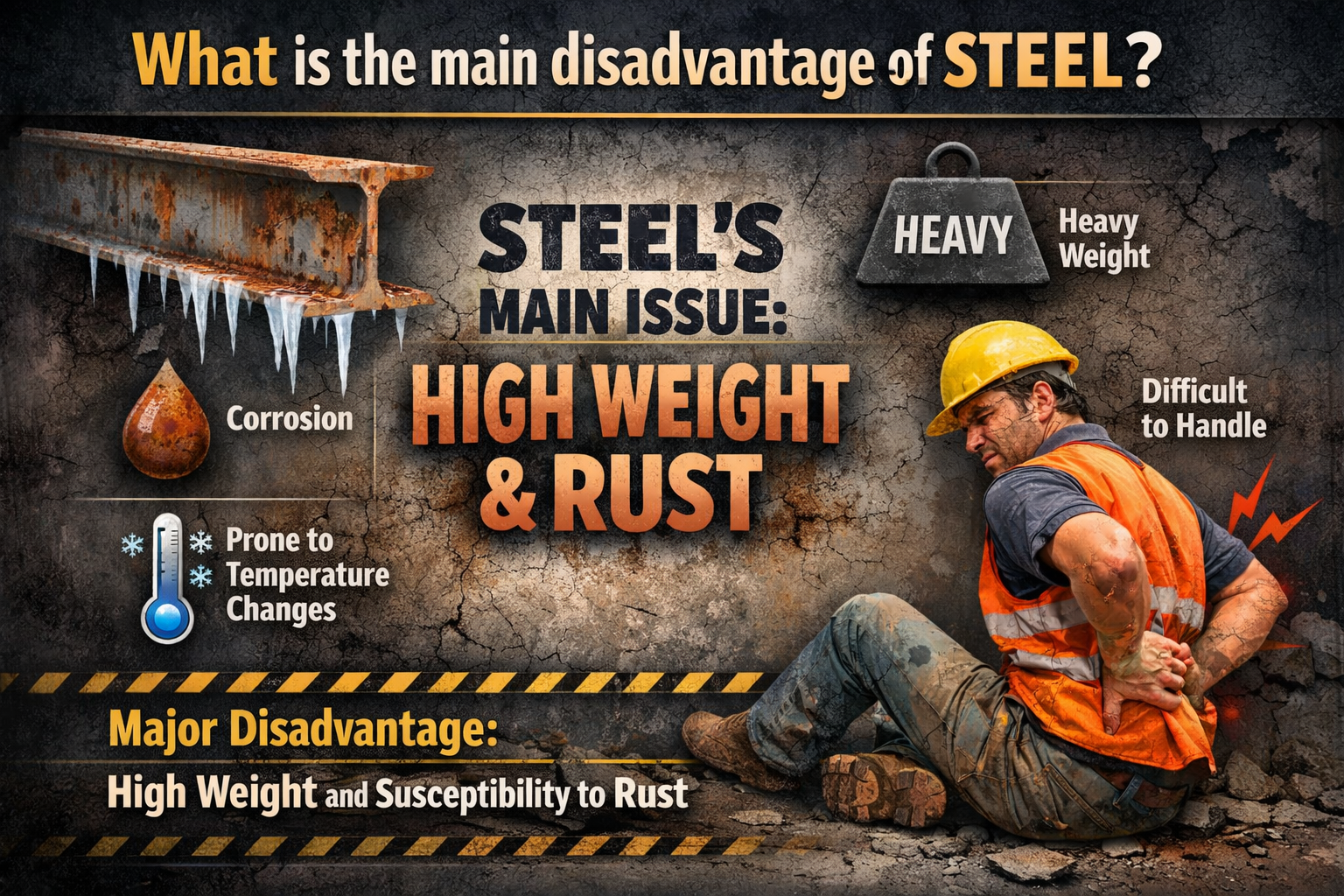
 What is the disadvantage of stainless steel?
The most commonly mentioned disadvantage of stainless steel is its higher price compared to other common piping materials such as PVC or mild steel. The cost of alloying metals used in stainless steel manufacturing contributes to the higher market price.
Another potential drawback is that stainless steel can sometimes be susceptible to chloride corrosion in environments with high salt concentration, such as coastal areas or certain industrial conditions. In such cases, selecting the correct grade of stainless steel becomes very important.
According to specialists at Deal On Steel Industries, these disadvantages can be minimized by choosing the right stainless steel grade and ensuring proper installation practices.
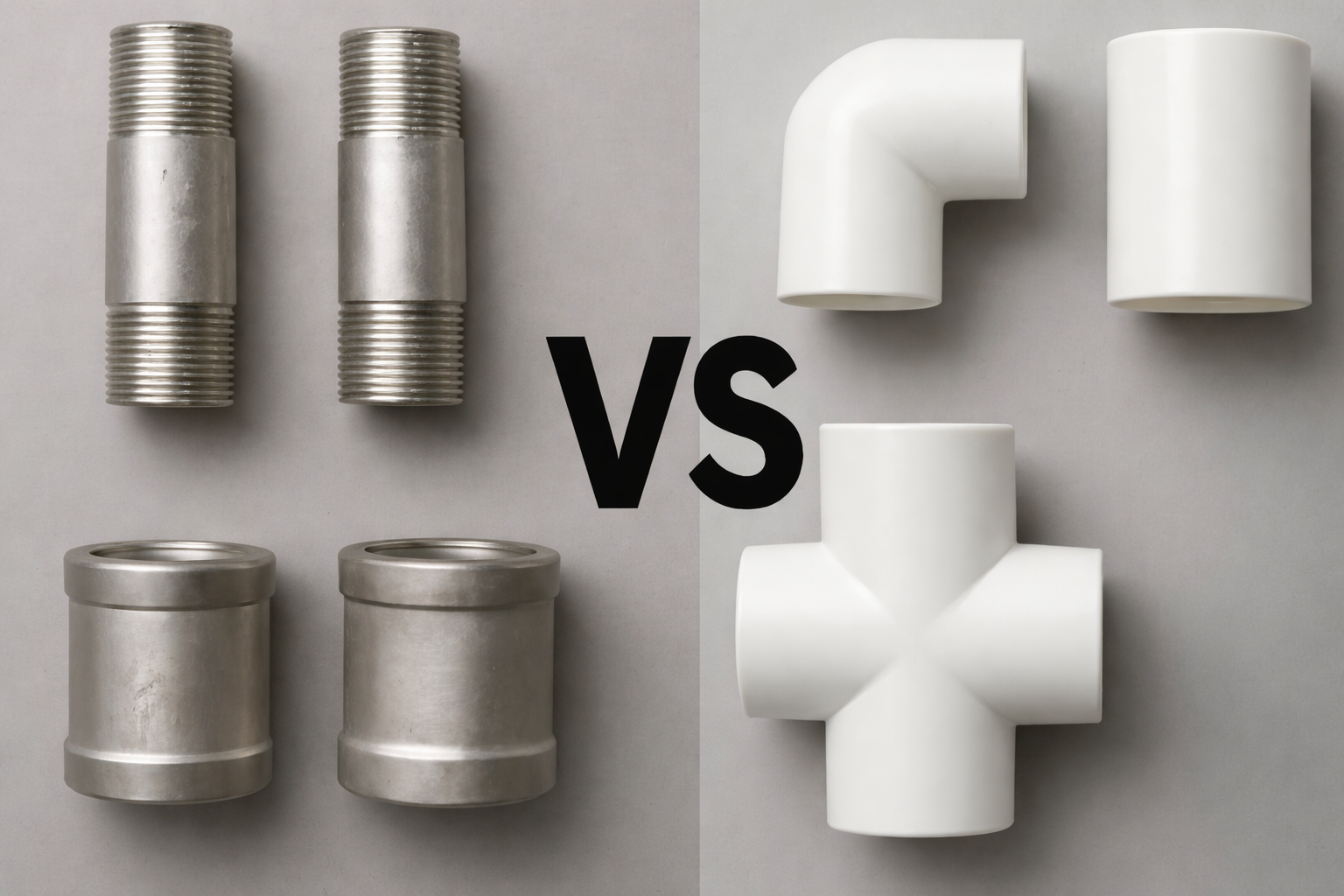
Which is better, PVC or stainless steel?
Both PVC and stainless steel pipes have their own advantages, and the choice depends on the intended application.
PVC pipes are lightweight, inexpensive, and easy to install. They are commonly used in residential plumbing, drainage systems, and low-pressure water pipelines.
Stainless steel pipes, on the other hand, offer greater strength, durability, and resistance to heat and pressure. They are suitable for demanding environments such as industrial systems, commercial water supply networks, and high-temperature applications.
Professionals at Deal On Steel Industries generally recommend stainless steel pipes when long-term reliability, structural strength, and resistance to corrosion are critical requirements.
Which is stronger, MS or SS?
When comparing strength, stainless steel (SS) pipes are generally stronger and more corrosion-resistant than mild steel (MS) pipes.
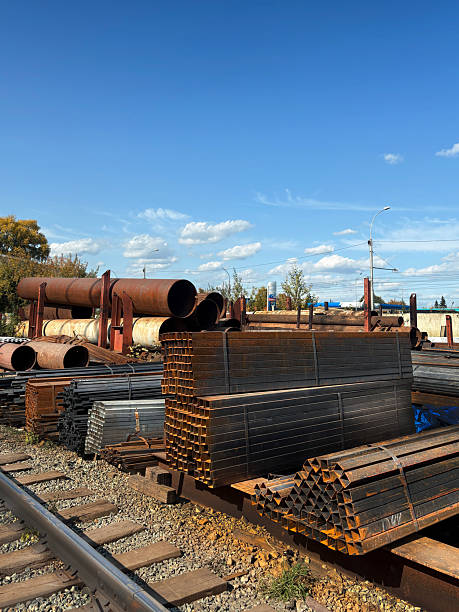
Mild steel pipes are known for their excellent weldability, flexibility, and affordability, which makes them widely used in construction, structural frameworks, and fabrication work.
Stainless steel pipes, however, contain chromium and other alloying elements that significantly improve their mechanical strength, corrosion resistance, and durability. Because of these properties, stainless steel pipes perform better in environments exposed to moisture, chemicals, or extreme temperatures.
Experts at Deal On Steel Industries suggest choosing mild steel pipes for structural and fabrication projects where cost efficiency is important, while stainless steel pipes are preferred for applications that require superior corrosion resistance and long service life.
- All Posts
- Ms erw Pipes
- Stainless Steel Coils
- stainless steel fittings
- Stainless steel Flanges
- Stainless Steel Pipes
- Stainless steel sheets
- Stainless steel Tubes