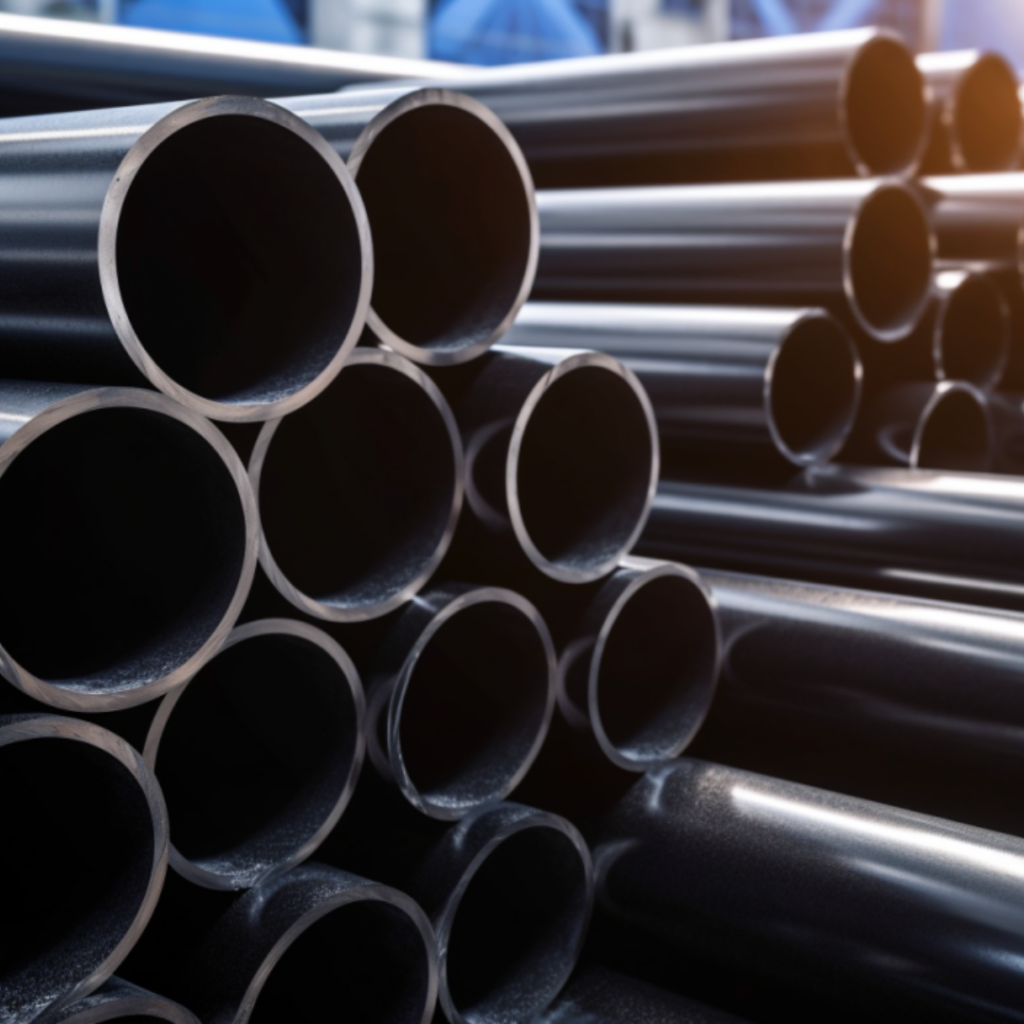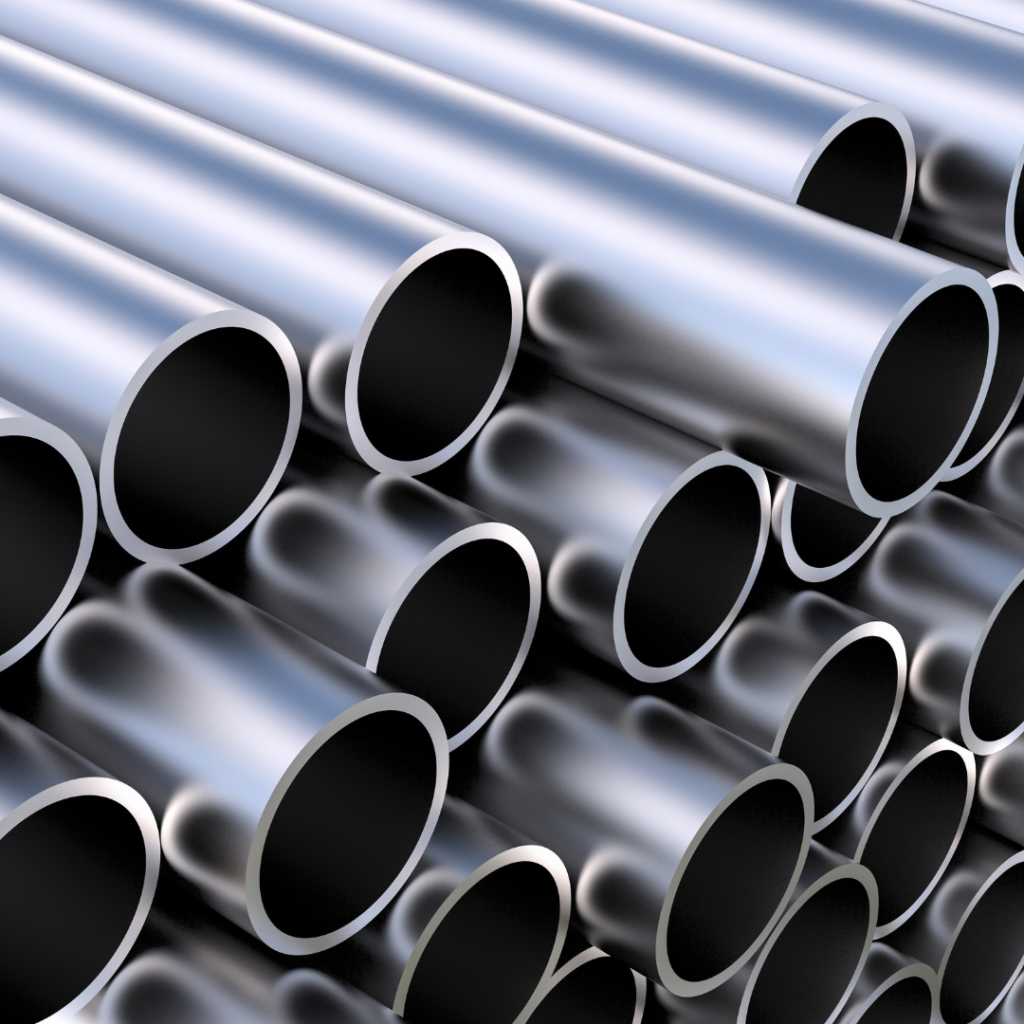
Stainless Steel Pipes and Tubes: Top Manufacturers, Prices, Suppliers, and Specifications in India.
You need reliable facts to choose the right stainless steel pipes and tubes for projects ranging from plumbing and oil & gas to architectural finishes. This guide shows where to find top Indian manufacturers and suppliers, how prices and weights typically behave, and which grades (like SS316 and 202) suit specific uses so you can compare options quickly and confidently.
Expect clear overviews of product types, a ranked look at leading Indian producers and exporters, local supply options in Delhi and Mumbai, price and weight benchmarks (including 20-foot pipe pricing and per‑kg rates), and practical tips on fittings and searching “near me” suppliers to source the right material for your needs.
Overview of Stainless Steel Pipes and Tubes
Stainless steel pipes and tubes vary by manufacture method, grade, and finish, and they serve pressure, structural, and hygienic roles across industries. You’ll choose by grade (304, 316, duplex), fabrication (seamless, welded), size, and surface finish to match corrosion resistance, strength, and system requirements.
Types of Stainless Steel Pipes
You’ll encounter four common types: seamless, welded (ERW/LSAW), fabricated/large-diameter, and precision tubing. Seamless pipes form from a solid billet and offer uniform strength and superior performance under high pressure and temperature. Welded pipes use rolled strips joined by fusion; they suit lower-pressure systems and are more economical for large diameters.
Grades matter: 304 is the general-purpose austenitic grade; 316 adds molybdenum for better chloride resistance; duplex grades provide higher strength and improved stress-corrosion cracking resistance. Finishes include pickled, annealed, polished (mill or bright), and bead-blasted, which affect hygiene and cleanability for food, pharma, and architectural uses.
Standard sizes run from small OD tubing (6 mm) to large fabricated pipes (600+ mm), with wall thicknesses from thin-walled tubing to heavy schedules. You’ll pick size and schedule using pressure calculations, flow needs, and available fittings.
Top 10 Stainless Steel Pipe Manufacturers in India
This list focuses on companies that combine consistent material quality, certified processes, wide product ranges, and strong distribution networks. You’ll find manufacturers that supply ASTM/IS-grade seamless and welded pipes, export capabilities, and local support in major hubs like Mumbai and Delhi.
Criteria for Selecting Leading Manufacturers
You should prioritize consistent adherence to grade specifications such as SS 304, SS 316, and ASTM A312. Check whether the manufacturer produces both seamless and welded pipes, and whether they offer related products like tubes, fittings, and customized sizes.
Evaluate manufacturing capacity and mill testing: look for documented capacity (tonnage or production lines), hydrostatic and PMI test records, and full traceability from melt to finished product. Also confirm supply-chain resilience — raw-material sourcing from reputable mills and buffer inventory for fast delivery.
Service factors matter. Confirm lead times for common lengths (e.g., 20-foot pipe availability), minimum order quantities, local warehousing in Mumbai or Delhi, and export documentation support if you’ll ship internationally.
202 Stainless Steel Pipes Manufacturer
202 stainless steel offers a cost-effective alternative to 304 for applications where moderate corrosion resistance and good formability matter. You’ll find it used widely in interior fittings, light structural work, and some food equipment where high chloride exposure is unlikely.
Properties of 202 Stainless Steel
202 is an austenitic stainless steel with lower nickel and higher manganese than 304.
Typical composition: ~17–19% chromium, ~4–6% nickel (often partially substituted by manganese up to ~7%), and small carbon (≤0.12%).
You should expect tensile strength around 520–690 MPa and yield strength near 205–275 MPa, depending on cold work and exact temper.
Corrosion resistance is moderate: it resists atmospheric and many industrial environments but performs poorly in chloride-rich or marine conditions compared with 304/316.
It machines and forms well and is often specified when magnetic response after cold work is acceptable.
Weldability is generally good with common methods, but post-weld corrosion resistance can be lower without proper shielding and filler choice.
Popular 202 Stainless Steel Pipe Manufacturers
Major Indian manufacturers and suppliers produce 202 pipes for domestic and export markets.
Companies such as Lakshay Steel, Santosh Steel & Pipes, and regional mills in Maharashtra, Gujarat, and Delhi NCR are known for producing standard pipe schedules and welded/TIG-seamed options.
When you compare suppliers, check these specifics:
- Product forms: ERW welded, seamless, and small-bore tubing.
- Size range: typical OD from 6 mm to 219 mm for tubing and up to 12″ (depending on mill).
- Certifications: ISO 9001, material test certificates (MTC), and third-party inspection options.
- Pricing factors: coil/plate feedstock costs, surface finish (2B/ba), and order quantity.
Request MTC and in-house chemistry reports to confirm the manganese/nickel balance if corrosion performance concerns you.
Common Uses of 202 Stainless Steel Pipes
You’ll commonly see 202 pipes in indoor architectural applications like stair rails, handrails, and decorative tubing.
Manufacturing industries use it for HVAC ducts, furniture frames, and light structural components where exposure to harsh chemicals or seawater is minimal.
Use 202 for food-contact light-duty items and kitchen equipment that won’t face heavy sanitizing with chlorinated agents.
Avoid 202 for offshore, coastal, or high-chloride process lines; choose 304 or 316 for those environments.
When cost and formability matter more than top-tier corrosion resistance, 202 often meets your needs.
Stainless Steel Pipes Supplier in Delhi
Delhi offers a wide range of stainless steel pipe suppliers that stock common grades (304, 316/316L) and sizes, provide cut-to-length services, and supply ASTM/ASME-certified material for industrial and sanitary uses. You can find both large stockists with thousands of tons in inventory and smaller local distributors who handle custom orders and urgent deliveries.
Major Suppliers Operating in Delhi
Look for suppliers that explicitly list stocks of 304, 304L, 316, 316L and duplex grades, and that handle both seamless and welded (ERW/EFW) pipes. Large stockists often advertise inventories exceeding 500–1,000 tons and can supply sizes from 1/8″ NB up to 12″ NB or larger.
Examples of common capabilities to expect:
- Inventory of multiple grades and sizes.
- Compliance documents: ASTM A240, A312, A182 traceability and mill certificates.
- Value services: cutting, beveling, polishing, and quick dispatch.
Choose suppliers that show clear contact details, showroom/warehouse addresses in Delhi or NCR, and client lists from food, pharma, petrochemical, and boiler sectors. That indicates experience with regulated sectors and repeat commercial business.
Supplier Selection Guide for Delhi Buyers
Start by specifying grade, schedule/thickness, length (e.g., 20 ft), and finish (polished, pickled) before contacting sellers. Ask for mill test certificates and delivery lead time; for critical projects insist on third‑party inspection reports.
Use this checklist when evaluating vendors:
- Material grade and test certificates available?
- Stock availability for requested sizes and length?
- Lead time, cutting/finishing charges, and logistic support in Delhi?
- Warranty, return policy, and after‑sales technical support?
Request at least three quotes that break down raw material cost, processing, and freight. Compare suppliers on total landed cost and delivery reliability, not just per‑kg or per‑foot price.
Stainless Steel Pipes Supplier in Mumbai
Mumbai hosts a concentrated network of suppliers offering ASTM-grade and commercial-grade stainless steel pipes, domestic stock inventories, and export-ready shipments. You can source seamless and welded pipes in grades 304, 316, 321, duplex and super duplex, with cutting, bending and testing services available locally.
Leading Suppliers in Mumbai
You will find suppliers that serve industries from food and pharma to petrochemical and construction. Key vendors maintain ready stock of common sizes (1/2″–24″), wall thicknesses (SCH 10–160), and finishes (2B, BA, HL).
Many suppliers provide ASTM A312 seamless and welded pipes, ERW options, and duplex UNS grades for corrosive environments.
Expect services such as custom cutting to length (including 20-foot options), third‑party inspection, PMI testing, and material traceability documentation (mill certificates).
Common buyer considerations:
- Price per kg and per foot for 304 vs 316 grades.
- Minimum order quantities and local delivery from Mumbai warehouses.
- Value‑adds: end‑preparation, hydrotesting, and heat‑treatment.
Mumbai’s Stainless Steel Pipe Market Overview
Mumbai’s market combines local stockists, large manufacturers, and international traders that import and redistribute stainless pipe. You can source both retail‑quantity fittings and bulk export lots from the same districts, including Khetwadi and industrial areas near MIDC.
Price volatility follows global stainless scrap, nickel pricing, and domestic demand; 316 typically carries a premium over 304.
Supply reliability hinges on grade availability and factory lead times—seamless 316L and duplex items often require longer lead times compared with welded 304.
If you need verified material for critical systems, prioritize suppliers that provide mill test certificates (EN/ASTM references), third‑party inspection reports, and clear packing lists for export compliance.
SS Pipe Exporters India
You can source stainless steel pipes from large integrated mills and specialized exporters that supply seamless, welded, and fabricated pipes in grades like 304, 316/316L, 310 and duplex. Exporters typically offer certification (ASTM, EN, ISO), heat-treatment reports, and logistics for bulk ocean shipments.
Major Exporters of Stainless Steel Pipes
You’ll find major exporters clustered around steel hubs in Maharashtra, Gujarat, and Tamil Nadu. Companies such as Metline, Tricon Steel & Alloys, and several ISO/ASTM-certified groups stock large inventories of seamless and welded pipes across diameters 6 mm–610 mm and thickness up to ~30 mm.
Expect exporters to list product types clearly: seamless tube, welded tube, fabricated large-diameter pipes, and specialty alloys (Hastelloy, Inconel) for oil & gas or chemical plants. Ask for mill test certificates (MTC), third-party inspection reports, and packaging details. Exporters often handle custom cut-to-length, saw-cut ends, and end preparations like beveled or plain ends.
Export Destinations and Demand Trends
You’ll see steady demand from the Middle East, Southeast Asia, Europe, and Africa—markets that import for petrochemical, power, and infrastructure projects. Growing demand centers on corrosion-resistant grades (316/316L and duplex) and larger-diameter fabricated pipes for offshore and refinery work.
Price sensitivity matters: buyers request steel-grade-specific quotes, freight terms (FOB/CIF), and lead times. You should evaluate exporters on delivery reliability, export documentation (commercial invoice, packing list, certificate of origin), and the ability to support pre-shipment inspection and traceability for international tenders.
SS316 Stainless Steel
SS316 is an austenitic stainless steel alloy widely used where corrosion resistance and strength are required. You’ll find it in marine, chemical processing, and food-grade environments because it contains molybdenum for improved pitting resistance and retains good weldability and formability.
Key Features of SS316 Pipes
SS316 contains roughly 16–18% chromium, 10–14% nickel, and 2–3% molybdenum, which gives it superior resistance to chloride-induced pitting compared with SS304. You’ll get tensile strengths typically around 515–620 MPa and yield strengths near 205–240 MPa, depending on temper and processing.
The alloy resists temperatures up to about 870°C in intermittent service and maintains corrosion resistance at moderately elevated temperatures. It machines and welds well; common fittings include seamless and welded pipe forms meeting ASTM A312 specifications. If you need higher corrosion resistance, consider SS316L (lower carbon) to minimize sensitization during welding.
SS316 Applications and Benefits
You can use SS316 pipes in seawater systems, desalination plants, chemical reactors, and pharmaceutical processing where chlorides and acids are present. The molybdenum content reduces localized corrosion, extending service life in aggressive environments.
Benefits you’ll see include lower lifecycle maintenance, compatibility with food and medical standards, and broad availability in sizes from small-diameter tubing to large structural pipes. Typical formats available in the market include seamless, ERW welded, and polished sanitary tubing; choose the format based on pressure rating, surface finish, and joining method.
Stainless Steel Pipe Price Analysis
You’ll find price drivers vary by length, grade, finish, and location. Expect differences between standard 20‑foot pricing, per‑kg rates, and city‑level dealer quotes.
Stainless Steel Pipe Price Per 20 Feet
Price for a 20‑foot (6.096 m) length depends on pipe outer diameter (OD), schedule/thickness, and grade (304 vs 316). Common retail examples: a 1″ SCH 40 SS304 pipe will cost much less than a 6″ SCH 80 SS316 pipe because of material volume and higher alloy content in 316.
Suppliers often list 20‑foot prices for standard sizes to simplify project estimating. Ask sellers for price breaks on full bundles (typically 20–25 pieces) and confirm whether prices include cutting, beveling, or GST.
Stainless Steel Pipe Price Per Kg
Per‑kg pricing offers a quick comparison across grades and suppliers. SS304 typically trades lower per kg than SS316 due to lower nickel and molybdenum content.
When converting per‑kg to length, use the pipe weight chart: weight (kg/m) = (π/4) × (OD² − ID²) × density (≈7.85 g/cm³). Verify whether listed per‑kg rates include fabrication, surface finish (polished vs mill), and taxes; many Indian suppliers quote ex‑warehouse rates per kg.
Factors Influencing Stainless Steel Pipe Rates
Major factors: grade (304, 316, 202), gauge/schedule, OD, manufacturing method (seamless vs welded/ERW), surface finish, and certification (ASTM/IS).
Market forces matter too: raw material stainless coil/plate prices, global nickel markets, and local demand in construction and exports. Logistics and local taxes can add 5–12% to landed cost in city quotes. Competitive suppliers may offer better rates if you commit to larger volumes or long‑term contracts.
SS Pipe Rate Mumbai
Mumbai rates reflect local dealer margins, port proximity, and import activity. You’ll often find slightly lower rates than interior cities for imported grades because of reduced inland freight.
Ask Mumbai suppliers for a written quote showing base rate per kg, conversion to per‑20‑foot for your specific OD/schedule, and any extra charges (cutting, testing, GST). Compare quotes from multiple Mumbai stockists and check stock availability for quick delivery.
Difference Between SS Pipes and Tubes
Pipes are specified by internal diameter (ID) and schedule (wall thickness). They serve fluid transport and are available as welded or seamless; you’ll see them in plumbing, process lines, and high-pressure systems. Surface finish and corrosion resistance (for example SS316) matter when fluids are corrosive or sanitary standards apply.
Tubes are specified by outside diameter (OD) and exact wall thickness, offering tighter dimensional tolerances and smoother finishes. You’ll find tubes in heat exchangers, structural frames, and instrumentation where fit and appearance matter. Manufacturers supply tubes as cold-finished or hot-finished; cold-finished tubes generally give better straightness and tighter tolerances.
Selecting the Right Product for Your Application
Start by listing functional requirements: pressure rating, flow rate, corrosion resistance, temperature, and mechanical loads. Use pipes when you need standardized ID for fittings and valves; choose tubes when you need precise OD for mechanical assemblies or cosmetic finishes.
Match material grade to environment: SS304 suits general corrosion resistance, SS316 adds molybdenum for chloride resistance, and duplex grades improve strength and chloride stress-corrosion cracking resistance. Check standards and certifications (ASTM, EN, IS) and confirm whether seamless or welded product better fits pressure demands and budget constraints.
Applications of Stainless Steel Pipes
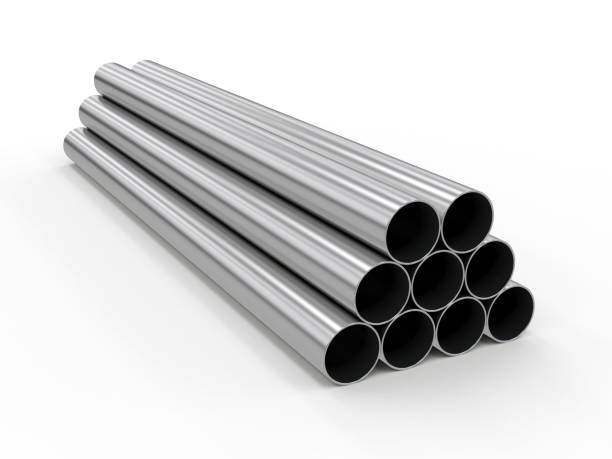
You’ll find stainless pipes across process industries, building services, and consumer sectors. In chemical and petrochemical plants they carry corrosive fluids and high-temperature steam; 316 and duplex grades are common in chloride-rich and high-strength service. Food and beverage, dairy, and pharmaceutical plants use polished 304/316 tubing for sanitary product transfer and CIP (clean-in-place) systems.
Water treatment and desalination plants rely on duplex and high-nickel alloys for long-term chloride resistance. HVAC and plumbing use lighter schedules of 304 for visible, durable installations. Structural and architectural applications use decorative finishes and larger-diameter fabricated pipes for handrails, façades, and supports.
You’ll also see stainless tubing in automotive exhausts, heat exchangers, and offshore platforms where fatigue resistance and welding integrity matter. Choose grade and fabrication to match mechanical load, exposure, and regulatory or sanitary standards.
Advantages of Stainless Steel Tubes
Stainless steel gives you corrosion resistance, mechanical strength, and longevity compared with carbon steel and many non-ferrous metals. Chromium content (typically ≥10.5%) forms a passive oxide layer that protects against oxidation and many chemical attacks; adding nickel, molybdenum, or nitrogen further improves performance in specific environments.
You’ll benefit from high strength-to-weight ratios, which let you use thinner walls for the same load capacity, saving material and weight in transport and installation. Stainless is recyclable and maintains appearance with moderate maintenance, reducing life-cycle costs for exposed or hygienic systems.
Other practical advantages include weldability with common processes (TIG, MIG, SAW), compatibility with standard fittings and instrumentation, and predictable thermal properties for heat-exchanger and process piping design.
Key Features of Top Manufacturers
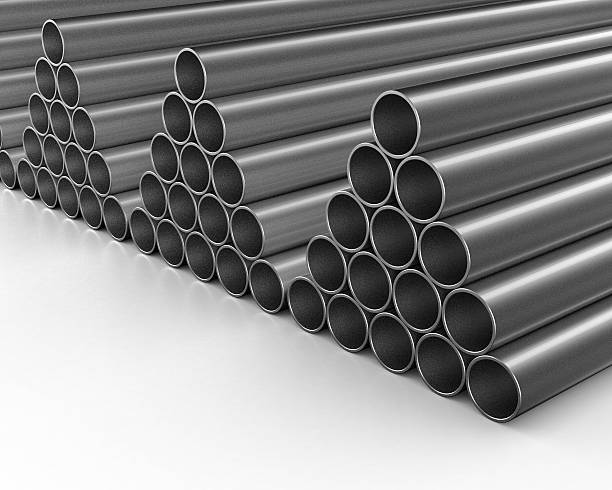
Top manufacturers provide wide grade availability: 202, 304, 316, 321 and duplex grades for specific applications. They offer both standard sizes and custom OD/WT options, plus related items such as fittings, flanges, and buttweld assemblies.
Quality control is visible through in-house labs, spectrochemical analysis (PMI), and non-destructive testing (UT/RT). You’ll also see post-production services: cutting to length, beveling, pickling, and passivation for corrosion resistance.
Commercially, expect competitive pricing per kg and transparent weight charts to verify shipped quantities. Good suppliers provide technical datasheets, dimensional tolerances, and a clear warranty or replacement policy for defective batches.
Industry Certifications and Standards
You should verify certification to standards like ASTM A312 (seamless and welded), IS 3589/3586 (Indian standards), and ISO 9001 for quality management. For pressure or petrochemical use, look for PED/ASME conformity and third-party mill test certificates (MTCs).
Manufacturers often hold additional approvals from national bodies or major EPC clients; these reduce procurement risk for project work. Exporters typically maintain documentation for customs and international standards compliance, including RoHS or REACH if requested.
Traceability matters: ensure each heat/lot links to an MTC showing chemical composition, mechanical tests, and heat-treatment records. That traceability supports certification audits and long-term asset management on your projects.
Market Presence in India
You’ll find key manufacturing clusters in Maharashtra (Mumbai), Gujarat, and Tamil Nadu, plus major distribution hubs in Delhi and Kolkata. Mumbai and Delhi frequently host large dealers that stock ASTM A312 grades and common fittings for rapid dispatch.
Top companies combine domestic sales, project supply, and exports. Many maintain regional warehouses and distributor networks to serve fabrication shops and construction sites quickly. Check supplier references from local contractors to confirm delivery performance in your city.
Export-focused mills list capabilities for containerized shipments and international freight forwarders, which helps if you need overseas movement. Local presence also affects after-sales support: vendors with service centers in Mumbai or Delhi typically respond faster to replacement or technical queries.
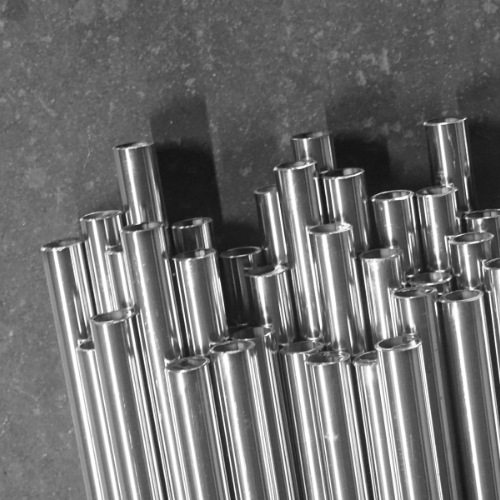
Stainless Steel Pipe Weight Chart
You can use a weight chart to quickly estimate the mass of stainless steel pipe for purchasing, handling, or structural calculations. Charts list Nominal Pipe Size (NPS), outside diameter (OD), wall thickness (schedule), and weight per meter (or per foot) so you can match pipe dimensions to project needs.
Typical entries include:
- NPS (e.g., 1/2″, 1″, 2″)
- OD (mm or inches)
- Wall thickness (Schedule 10S, 40S, 80S, XXS)
- Weight per meter (kg/m) or per foot (lb/ft)
Example (illustrative values — confirm with manufacturer):
| NPS | OD (mm) | Wall (mm) | Weight (kg/m) |
|---|---|---|---|
| 1/2″ | 21.3 | 2.77 (Sch 40S) | 0.92 |
| 1″ | 33.4 | 2.77 (Sch 40S) | 1.70 |
| 2″ | 60.3 | 3.91 (Sch 40S) | 3.65 |
You should verify weights against applicable standards (ANSI/ASME B36.19 for stainless pipe) and supplier datasheets because material grade (304 vs 316), manufacturing tolerance, and pipe schedule change the unit weight. Use the chart only as an estimate for logistics, load calculations, and cost per length.
If you need precise mass for cutting or structural design, request a certified weight table from your supplier or calculate using OD, wall thickness, and stainless steel density (≈7.93–8.03 g/cm³ depending on alloy).
Stainless Steel Pipes Near Me
Locate reliable local stock, compare grades and sizes, and check lead times before you buy. Use a mix of online search, supplier directories, and phone calls to verify availability, prices, and delivery options.
How to Find Local Stainless Steel Pipe Dealers
Search by specific keywords that match your need, for example “SS316 seamless pipe supplier Mumbai” or “304 stainless steel tube stockist Delhi.”
Use supplier directories and industry marketplaces to filter by product type (seamless, welded), grade (304, 316, 202), and dimensions (OD, wall thickness, 20‑ft lengths).
Call suppliers to confirm real-time stock and ask for mill certificates (EN/ASTM) and traceability documents.
Request sample pieces or photos, and ask about cutting, bevelling, and packaging services if you need finished lengths.
Check business listings for ratings and trade references.
Visit local warehouses when possible to inspect surface finish, weld quality, and packaging before payment.
Benefits of Buying from Local Suppliers
You get faster delivery and lower freight costs, especially for heavy items like long 20‑ft pipes.
Local suppliers often offer same‑day pickup, cutting services, and the ability to inspect material before payment.
Local vendors tend to provide easier warranty and returns handling.
They can source specific grades quickly—useful when you need SS316 for corrosive environments or SS202 for lower‑cost structural use.
Buying nearby supports easier communication; you can negotiate bulk pricing, ask for consolidated shipments, or arrange staged deliveries.
Local stocking also reduces lead‑time risk for urgent projects and lets you confirm documentation such as test certificates and mill reports in person.
SS Pipes Near Me
When you search for “SS pipes near me,” start by narrowing your location and the grade you need, such as 304 or 316. Local stockists in large cities (Delhi, Mumbai) often carry seamless and welded options and can provide immediate pickup or short lead times.
Check suppliers for inventory details like diameter ranges, wall thickness, and whether they stock welded or seamless pipes. Many suppliers list sizes from small OD (6 mm) up to large diameters (600+ mm) and offer fabricated large-diameter pipes on request.
Use these quick filters when contacting vendors:
- Grade: 304, 316, 202, duplex
- Type: seamless, welded, fabricated
- Lengths: standard 6m/20ft or cut-to-length
- Certifications: ASTM A312, EN or equivalent
If you need price or weight info fast, ask for a price per kg and a weight chart for the specified OD and wall thickness. Suppliers in Mumbai and Delhi often provide competitive SS pipe rates and can share stock lists or test certificates before shipment.
Consider nearby stockholders and manufacturers who hold large inventories if your project needs volume or specific grades. They can also arrange fittings, cutting, and surface finish services to match your project requirements.
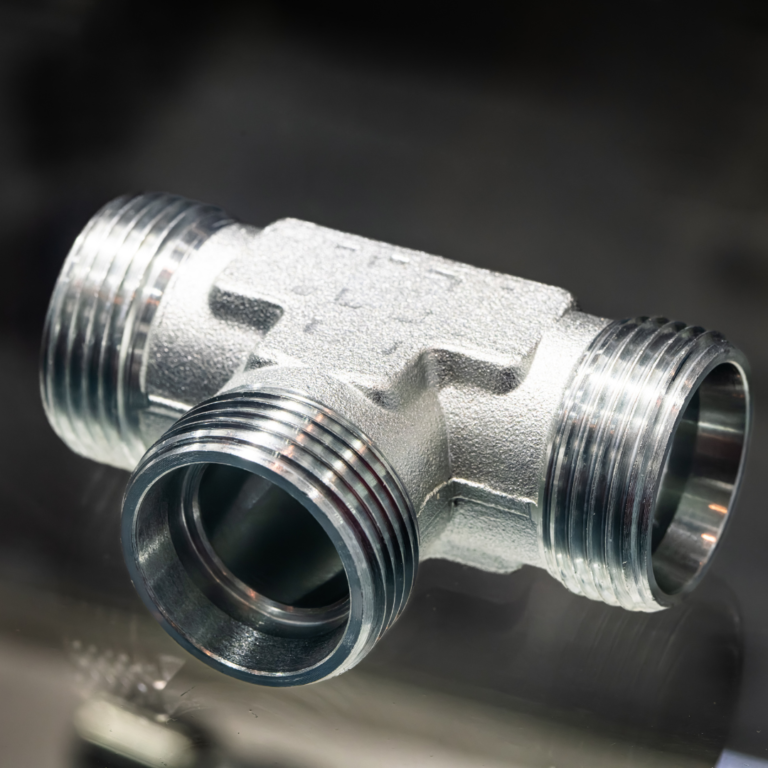
Stainless Steel Pipe Fittings
These fittings connect, redirect, seal and adapt stainless steel piping systems. You’ll find different joint types, materials (grades 202, 304, 316), and manufacturing methods that affect corrosion resistance, pressure rating, and cost.
Types of Stainless Steel Pipe Fittings
You can choose from buttweld, forged, socket-weld, threaded, and flanged fittings depending on strength and assembly needs.
- Buttweld fittings (elbows, tees, reducers, caps): used for permanent, high-pressure weld joints; common in process lines.
- Forged fittings (elbows, tees, couplings): provide higher mechanical strength and tighter tolerances for piping subject to vibration or thermal cycling.
- Socket-weld and threaded fittings: suit small-diameter lines where welding access is limited; threaded fittings are slower to leak if properly sealed.
- Flanges: allow easier assembly/disassembly and maintenance; choose weld-neck, slip-on, lap-joint, or blind types per flange rating.
Material grade matters: 202 lowers cost but reduces corrosion resistance; 304 fits most food, pharma, and water systems; 316/316L resists chlorides and suits coastal, chemical, and marine environments.
Applications of Pipe Fittings in Industries
You’ll encounter stainless fittings across oil & gas, petrochemical, food & beverage, pharmaceuticals, water treatment, and HVAC.
In oil & gas and petrochemical plants, buttweld and forged fittings handle high pressure and elevated temperatures. In food, beverage, and pharma, polished 304/316 fittings maintain hygiene and enable CIP (clean-in-place).
Water treatment and desalination plants favor 316/316L where chloride-induced pitting is a risk. HVAC and building services use flanged and threaded fittings for chillers, condensate lines, and domestic piping.
Export and procurement considerations matter: lead times, certification (ISO/PED), and stock availability in major hubs like Delhi and Mumbai affect cost and delivery.
SS Steel Pipes
You will read about the specific physical properties that set SS steel pipes apart and the common places and systems where you will find them used. Expect clear details on grades, corrosion resistance, dimensions, and typical applications.
Distinguishing Features of SS Steel Pipes
Stainless steel pipes combine chromium (minimum ~10.5%) with iron to create a passive oxide layer that resists corrosion; grades like 304 and 316 are most common, with 316 offering higher chloride resistance due to added molybdenum. You should check the grade before buying for marine, chemical, or food-contact uses.
Available forms include seamless and welded pipes. Seamless pipes deliver higher pressure ratings and better fatigue resistance; welded pipes are typically more economical and available in larger diameters. Standard dimensions follow schedules (e.g., Sch 10, Sch 40) and nominal pipe sizes; consult a weight chart to estimate mass per meter for logistics and load calculations.
Surface finishes range from mill (2B) to polished (No.4, mirror), affecting hygienic cleaning and aesthetics. Mechanical properties such as tensile strength, yield strength, and elongation vary by grade and heat treatment; suppliers usually list these values for engineering decisions. You should also confirm traceability and test certificates (EN, ASTM) when procuring for regulated projects.
Typical Industrial and Residential Uses
You will find SS steel pipes in chemical processing, petrochemical, and power plants where corrosion resistance and high-temperature performance matter. Grade 316 or duplex steels often appear in offshore structures and desalination because they withstand chloride attack and thermal cycling.
In water and HVAC systems, 304 and 316 pipes serve as distribution lines, condensate drains, and heat exchanger tubing; their hygienic surfaces fit potable water and food-processing lines. You will also see stainless pipes in construction for handrails, balustrades, and architectural cladding where appearance and low maintenance are priorities.
Manufacturing and automotive sectors use precision tubes for hydraulic lines, instrumentation, and exhaust systems; tight tolerances and specific finishes matter here. For residential kitchens and medical facilities, polished SS tubing supports sanitary fittings, gas lines, and visible plumbing where cleanliness and ease of cleaning are required.