
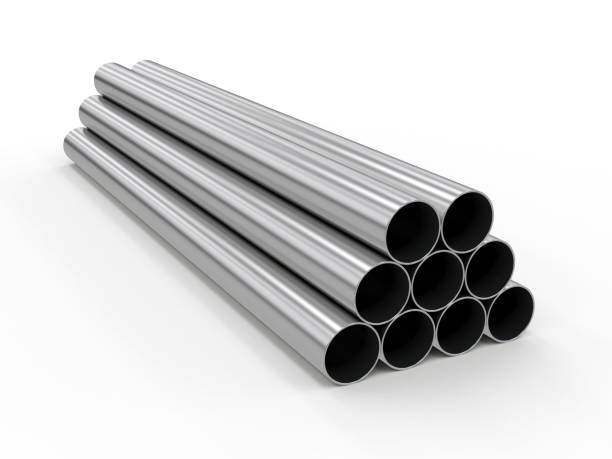
What are SS Seamless Pipes
SS Seamless Pipes Home – Blog What are SS Seamless Pipes Stainless steel pipes are really important in industries like construction, oil and gas food processing and chemical manufacturing. Among all the types of pipes available SS Seamless Pipes are considered one of the reliable and durable options. This is because they are strong can resist corrosion and can handle pressure. In India the demand for steel seamless pipes is increasing rapidly. This is because industries need piping systems that can work well in extreme conditions. Seamless pipes are used to transport fluids and gases. They are also used in structural applications. They are preferred over welded pipes because they are manufactured without a welded seam making them stronger and more reliable. In this blog we will explore everything you need to know about SS pipes. We will cover what they are how they are made, their advantages, applications, types and asked questions. What are SS Seamless Pipes SS Seamless Pipes are stainless steel pipes that are made without any welding joints or seams. They are produced from a round steel billet that is heated and pierced to create a hollow pipe structure. Because there is no welding seam the pipe has strength throughout its structure. This makes steel seamless pipes highly suitable for high-pressure and high-temperature applications. Seamless pipes are widely used in industries where safety, strength and durability’re critical. They are commonly used in oil refineries, power plants, petrochemical industries and chemical processing plants. Key Characteristics of SS Seamless Pipes SS Seamless Pipes are made from stainless steel billets. They have no welded joints or seams. They are highly resistant to corrosion. They have strength and durability. They are suitable for high-pressure applications. In India seamless pipes are available in grades such as SS 304 SS 316 SS 321 and SS 310. The choice of grade depends on the application requirements. Manufacturing Process The manufacturing process of steel seamless pipes is complex and requires advanced machinery and strict quality control. The goal is to produce a pipe that has thickness, strength and durability throughout its length. Here are the main steps involved in the manufacturing process: 1. Billet Preparation: The process begins with a stainless steel billet. The billet is carefully inspected to ensure it meets the required quality standards. 2. Heating: The billet is heated in a furnace at high temperatures. This softens the steel making it easier to shape during the stages. 3. Piercing: A piercing mill is used to create a hole in the center of the billet. This process converts the billet into a hollow shell. 4. Elongation: The hollow shell is then passed through rolling mills where it is stretched and shaped into the desired pipe diameter and thickness. 5. Shaping: The pipe is further processed through sizing mills to achieve dimensions according to industry standards. 6. Heat Treatment: Heat treatment improves the properties of the pipe, such as strength and corrosion resistance. 7. Inspection and Testing: Before reaching the market SS seamless pipes undergo quality checks. These tests include testing, hydrostatic pressure testing, visual inspection and dimensional inspection. Advantages SS Seamless Pipes offer advantages compared to other types of pipes. They have strength because they do not have welded joints. They can withstand internal pressure making them ideal for industries such as oil and gas and power generation. They have corrosion resistance due to the presence of chromium in stainless steel. They have a long service life reducing maintenance and replacement costs. They have an internal surface allowing fluids and gases to flow efficiently. They provide performance even in high-temperature and high-pressure conditions. Applications SS Seamless Pipes are widely used in industries across India. They are used in the oil and gas industry to transport oil, gas and petroleum products under high pressure. They are used in the chemical industry to carry liquids and gases safely. They are used in power plants because they can withstand temperatures. They are used in the food and beverage industry because they are hygienic and corrosion resistant. They are used in the pharmaceutical industry because they are clean and contamination-free. They are also used in construction and infrastructure projects where high strength is required. Types of Stainless Steel Pipes There are types of stainless steel pipes available in the market. These include stainless steel pipes, welded stainless steel pipes, ERW stainless steel pipes, stainless steel round pipes and stainless steel square and rectangular pipes. Each type of pipe serves a purpose depending on pressure requirements, application type and budget considerations. FAQ 1. What is the difference between welded stainless steel pipes? Seamless pipes are manufactured without any welding joints making them stronger and more suitable for high-pressure applications. Welded pipes are made by welding steel plates and are generally used for lower pressure systems. 2. Which grades are commonly used for SS pipes? The commonly used grades are SS 304 SS 316 SS 321 and SS 410 depending on corrosion resistance and temperature requirements. 3. Are steel seamless pipes rust-proof? Stainless steel pipes are corrosion resistant but they are not completely rust-proof. However under industrial conditions they offer excellent resistance to rust and corrosion. 4. Where are SS seamless pipes commonly used in India? They are widely used in oil refineries, chemical plants, pharmaceutical industries, food processing units and power plants. 5. Why are seamless pipes expensive than welded pipes? Seamless pipes require a complex manufacturing process, specialized equipment and strict quality control which increases their production cost. SS Seamless Pipes are a component of modern industrial piping systems. They are strong, durable. Can resist corrosion. They can handle pressure making them an excellent choice for industries such as oil and gas power generation, chemical processing and construction. The manufacturing process of pipes ensures that there are no weak points or welded joints, which significantly improves their reliability and performance. With a range of stainless steel grades available industries can select the most suitable pipe according to their specific requirements. In India the demand for