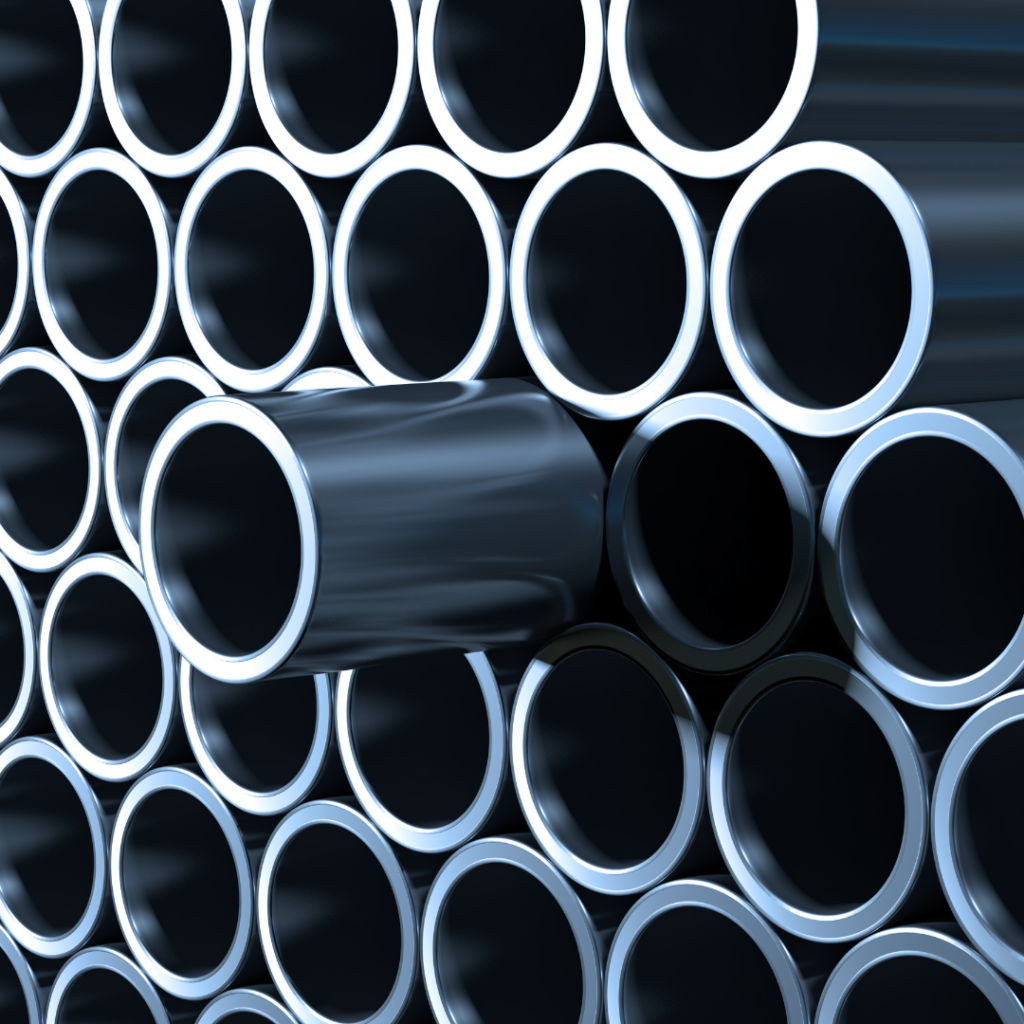
Stainless Steel Pipe Solutions: Everything You Need to Know About Steel Pipes and Fittings
-
- Table of Contents
- Introduction
- Understanding Stainless Steel Pipes
- Types of Steel Pipes
- Popular Stainless Steel Grades
- Applications and Uses
- Factors Affecting Stainless Steel Price
- How to Choose the Right Stainless Steel Suppliers
- Manufacturing Process
- Quality Standards and Certifications
- Maintenance and Care
- Working with Distributors and Suppliers
- Future Trends and Innovations
- Conclusion
Table of Contents
- Introduction
- Understanding Stainless Steel Pipes
- Types of Steel Pipes
- Popular Stainless Steel Grades
- Applications and Uses
- Factors Affecting Stainless Steel Price
- How to Choose the Right Stainless Steel Suppliers
- Manufacturing Process
- Quality Standards and Certifications
- Maintenance and Care
- Conclusion
Introduction
The stainless steel pipe industry has become a cornerstone of modern construction and manufacturing. Whether you’re working on a commercial project or need steel pipes and fittings for industrial applications, understanding the different types and specifications is essential for making informed decisions.
Understanding Stainless Steel Pipes
A stainless pipe is a hollow cylindrical structure made from stainless steel alloy, designed to transport fluids, gases, or provide structural support. Unlike regular steel pipes, stainless steel variants offer superior corrosion resistance, making them ideal for harsh environments and demanding applications.
Key Benefits of Stainless Steel Pipes
- Corrosion Resistance: The chromium content in stainless steel creates a protective oxide layer
- Durability: Long-lasting performance with minimal maintenance requirements
- Temperature Resistance: Can withstand extreme temperatures without compromising structural integrity
- Hygiene: Non-porous surface prevents bacterial growth, perfect for food and medical applications
- Aesthetic Appeal: Polished finish provides an attractive appearance
Types of Steel Pipes
Seamless Pipe
A seamless pipe is manufactured without any welded joints, created by piercing a solid steel billet. This seamless steel pipe offers superior strength and pressure resistance compared to welded alternatives.
Advantages of Seamless Pipes:
- Higher pressure ratings
- Uniform wall thickness
- Better resistance to stress corrosion
- Suitable for high-temperature applications
ERW Pipe
ERW pipe (Electric Resistance Welded) is manufactured by rolling steel strips and welding the seam using electric resistance. These steel pipes are cost-effective and widely used in various industries.
Benefits of ERW Pipes:
- Cost-effective manufacturing process
- Consistent dimensional accuracy
- Good surface finish
- Suitable for low to medium pressure applications
Stainless Steel Tube vs Pipe
While often used interchangeably, stainless steel tube and pipes have distinct differences:
- Pipes: Measured by nominal diameter and schedule, primarily used for fluid transport
- Tubes: Measured by outside diameter and wall thickness, often used for structural applications
Popular Stainless Steel Grades
304 Stainless Steel
304 stainless steel is the most commonly used grade, containing 18% chromium and 8% nickel. This 304 stainless steel pipe offers excellent corrosion resistance and formability.
Applications:
- Food processing equipment
- Kitchen appliances
- Chemical processing
- Architectural applications
The 304 stainless steel plate and 304 stainless steel coil are also popular forms of this versatile alloy.
316 Stainless Steel
316 stainless steel contains molybdenum, providing enhanced corrosion resistance, especially in chloride environments. A 316 stainless steel pipe is ideal for marine applications and chemical processing.
Key Features:
- Superior corrosion resistance
- Excellent high-temperature strength
- Non-magnetic properties
- FDA approved for food contact
316L Stainless Steel
316L stainless steel is the low-carbon version of 316, offering improved weldability and corrosion resistance. 316L stainless steel pipe is commonly used in pharmaceutical and food industries.
Other Important Grades
- 321 stainless steel: Titanium-stabilized grade for high-temperature applications
- 304L stainless steel: Low-carbon version of 304 for welding applications
- SS 304: Standard designation for 304 grade stainless steel
Applications and Uses
Industrial Applications
Steel pipe manufacturers produce pipes for various industrial sectors:
- Chemical Processing: Resistant to acids and alkalis
- Oil and Gas: High-pressure and high-temperature applications
- Power Generation: Steam lines and heat exchangers
- Pulp and Paper: Bleaching and chemical processing
Construction and Architecture
Metal pipe systems are essential in construction:
- Structural supports
- Handrails and barriers
- Decorative elements
- HVAC systems
Food and Beverage Industry
SS pipe is widely used in food processing due to its hygienic properties:
- Dairy processing equipment
- Brewery systems
- Food packaging machinery
- Water treatment plants
Factors Affecting Stainless Steel Price
Raw Material Costs
Stainless steel price fluctuates based on several factors:
- Nickel and chromium prices
- Steel scrap availability
- Energy costs
- Transportation expenses
Grade and Specifications
Different grades command different prices:
- SS 304 price is generally lower than 316 grades
- 316 stainless steel costs more due to molybdenum content
- Stainless steel 304 price varies with market conditions
Market Demand
Stainless steel sheets price and pipe prices are influenced by:
- Construction industry demand
- Automotive sector requirements
- Economic conditions
- Global trade policies
How to Choose the Right Stainless Steel Suppliers
Research Local Options
Finding stainless steel suppliers near me offers several advantages:
- Reduced transportation costs
- Faster delivery times
- Better customer service
- Local market knowledge
Evaluate Supplier Credentials
When selecting stainless steel pipe suppliers, consider:
Quality Certifications:
- ISO 9001 certification
- ASTM compliance
- Material test certificates
- Third-party inspections
Experience and Reputation:
- Years in business
- Customer testimonials
- Industry partnerships
- Technical expertise
Compare Services
Look for stainless steel pipe manufacturers that offer:
- Custom fabrication services
- Cut-to-length options
- Surface finishing
- Technical support
Manufacturing Process
Seamless Pipe Production
Seamless stainless steel pipe manufacturing involves:
- Billet Preparation: Heating stainless steel billets
- Piercing: Creating hollow shells using piercing mills
- Rolling: Expanding and elongating the pipe
- Sizing: Achieving final dimensions
- Heat Treatment: Stress relieving and annealing
- Finishing: Surface treatment and inspection
Welded Pipe Production
Stainless steel welded pipe production includes:
- Strip Preparation: Slitting stainless steel coils
- Forming: Shaping strips into pipe configuration
- Welding: Joining edges using various welding techniques
- Sizing: Achieving dimensional accuracy
- Testing: Quality control and inspection
Quality Control Measures
Reputable steel pipe suppliers implement strict quality control:
- Chemical composition analysis
- Mechanical property testing
- Dimensional inspection
- Non-destructive testing
- Surface quality assessment
Quality Standards and Certifications
International Standards
Steel pipes must comply with various standards:
- ASTM Standards: American Society for Testing and Materials
- ASME Standards: American Society of Mechanical Engineers
- EN Standards: European Norms
- JIS Standards: Japanese Industrial Standards
Industry-Specific Requirements
Different applications require specific certifications:
- Food Grade: FDA and 3A Sanitary Standards
- Pharmaceutical: USP Class VI compliance
- Marine: NORSOK and DNV standards
- Nuclear: ASME Section III requirements
Maintenance and Care
Cleaning and Maintenance
Proper maintenance extends the life of stainless steel tubes and pipes:
Regular Cleaning:
- Use mild detergents and soft cloths
- Avoid abrasive cleaners
- Rinse thoroughly with clean water
- Dry completely to prevent water spots
Preventive Measures:
- Regular inspections for damage
- Prompt repair of scratches
- Proper storage practices
- Environmental monitoring
Common Issues and Solutions
Corrosion Prevention:
- Select appropriate grade for environment
- Maintain proper surface finish
- Avoid contact with carbon steel
- Monitor chloride exposure
Stress Corrosion Cracking:
- Control tensile stress levels
- Monitor temperature conditions
- Use stress-relieved materials
- Regular inspection programs
Working with Distributors and Suppliers
Finding Local Suppliers
Stainless steel manufacturers near me can provide:
- Faster delivery times
- Local technical support
- Custom fabrication services
- Competitive pricing
Building Supplier Relationships
Strong relationships with stainless steel distributors offer:
- Priority service
- Volume discounts
- Technical assistance
- Market insights
Supplier Evaluation Criteria
When choosing pipe suppliers, evaluate:
Technical Capabilities:
- Product range and inventory
- Custom fabrication abilities
- Quality control systems
- Technical expertise
Service Quality:
- Delivery reliability
- Customer support
- Problem resolution
- Value-added services
Future Trends and Innovations
Technological Advancements
The steel and pipe industry continues evolving:
- Advanced manufacturing techniques
- Improved alloy compositions
- Enhanced surface treatments
- Digital quality control systems
Sustainability Initiatives
Stainless steel manufacturers are focusing on:
- Recycling programs
- Energy-efficient production
- Reduced environmental impact
- Sustainable sourcing practices
Market Developments
Industry trends affecting ss steel price and availability:
- Growing demand in emerging markets
- Infrastructure development projects
- Technological applications
- Environmental regulations
Conclusion
Selecting the right stainless steel pipe for your project requires understanding the various types, grades, and applications available. Whether you need a seamless pipe for high-pressure applications or ERW pipe for cost-effective solutions, working with experienced steel pipe manufacturers ensures you get quality products that meet your specifications. Consider factors like stainless steel price, supplier reliability, and technical support when making your decision. The investment in quality steel pipes and fittings pays off through improved performance, longevity, and reduced maintenance costs.
Ready to find the perfect stainless steel solution for your project? Contact local stainless steel pipe suppliers today to discuss your specific requirements and get expert recommendations tailored to your application needs.