
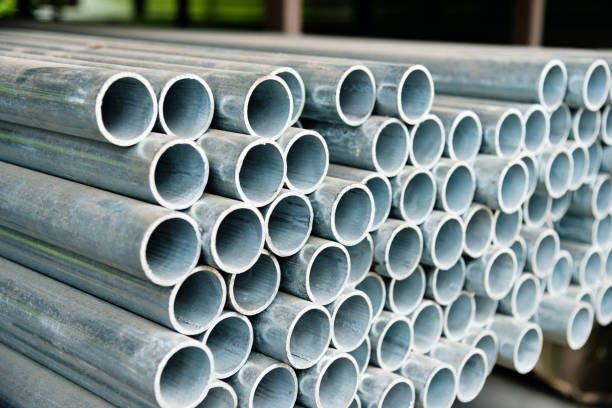
Seamless Boiler Tubes

Deal On Steel Industries.
Alloy Steel Boiler Tubes

Alloy Steel Boiler Tubes – Durable, High-Performance Tubing

Deal On Steel Industries | Alloy Steel Boiler Tubes Premium Industrial Supplier Alloy Steel Boiler Tubes – Durable, High-Performance Tubing for Industrial Boilers Deal On Steel IndustriesReliable Supplier of Premium Alloy Steel Boiler Tubes for B2B and Bulk Industrial Applications. ASTM A213 • A335 • High Pressure 🏭⚙️ Industrial Boiler Tubes Introduction: Why Alloy Steel Boiler Tubes Matter More Than You Think If you’ve ever worked around industrial boilers or large power plants, you probably know one thing already — not every steel tube survives that environment. Extreme heat. Constant pressure. Steam moving at ridiculous speeds. Regular steel pipes? They struggle. Sometimes they fail faster than expected. That’s where Alloy Steel Boiler Tubes step in. These tubes are designed for situations where ordinary materials simply can’t handle the stress. Power plants, refineries, petrochemical units, heavy engineering facilities — all of them depend heavily on high-grade Alloy Steel Boiler Tube products. At Deal On Steel Industries, we supply Alloy Seamless Steel Boiler Tube solutions specifically built for high-temperature and high-pressure operations. And honestly, for B2B buyers working on critical infrastructure, reliability isn’t optional. It’s everything. Let’s break down what makes these tubes so important. What Are Alloy Steel Boiler Tubes? In simple terms, Alloy Steel Boiler Tubes are specialized steel tubes manufactured using alloying elements like chromium, molybdenum, nickel, or vanadium. Those elements might sound technical, but they serve a very practical purpose: They dramatically improve performance under extreme conditions. A typical Alloy Steel Boiler Tube offers: Higher strength at elevated temperatures Excellent corrosion resistance Better creep resistance (important for long-term heat exposure) Improved durability under high pressure And when these tubes are manufactured without welding seams — known as Alloy Seamless Steel Boiler Tube — they become even more reliable for critical boiler systems. You might notice most large industrial boilers rely heavily on seamless alloy tubing. There’s a reason for that. Why Alloy Steel Is Used in Boiler Tubes Let’s be honest. Boilers are harsh environments. Inside them, temperatures can reach 500°C or even higher. Steam pressure builds constantly. Materials expand, contract, and experience stress cycles over years. Ordinary carbon steel just doesn’t last long enough there. Alloy steel changes the equation. Key Benefits of Alloy Steel Boiler Tubes 🔥 1. Superior Heat Resistance Alloying elements like chromium and molybdenum allow the tube to maintain strength at high temperatures. Without this property, tubes would soften or deform. ⚡ 2. High Pressure Tolerance Industrial boilers operate under intense pressure conditions. An Alloy Seamless Steel Boiler Tube distributes stress evenly across the structure, reducing failure risk. ⏳ 3. Long Service Life Here’s something many procurement managers care about — lifespan. Alloy tubes last significantly longer than standard pipes. That means: fewer shutdowns, lower replacement cost, less maintenance. Over time, the savings become very noticeable. 🛡️ 4. Corrosion Resistance Steam systems often contain moisture, chemicals, and deposits. Alloy steel provides resistance against corrosion and oxidation, especially in high-temperature steam environments. Types of Alloy Steel Boiler Tubes Industrial buyers usually encounter a few common variants of Alloy Steel Boiler Tube depending on application. 🌀 1. Seamless Alloy Steel Boiler Tubes These are manufactured without weld joints. That makes them extremely reliable under pressure. Most Alloy Seamless Steel Boiler Tube products are used in: Power plants, Thermal stations, Refineries, Heavy boilers. 📈 2. High Pressure Boiler Tubes Designed specifically for superheater and reheater applications. These tubes handle extreme steam temperatures, high internal pressure, long operational cycles. 🌡️ 3. Heat Resistant Alloy Tubes These tubes contain higher alloy content to withstand prolonged heat exposure. You’ll often find them used in chemical plants, furnace applications, heat exchangers. Industrial Applications of Alloy Steel Boiler Tubes This is where things get interesting. You might assume these tubes are only used in boilers. Actually, their applications go far beyond that. Major Industries Using Alloy Steel Boiler Tubes Power Generation PlantsThermal power stations rely heavily on Alloy Seamless Steel Boiler Tube products for superheater tubes, reheater tubes, water wall tubes. Petrochemical PlantsHigh temperature processing units demand corrosion-resistant tubing. These plants often choose Alloy Steel Boiler Tube materials for long-term durability. Oil RefineriesRefineries deal with heat and chemical reactions continuously. Alloy tubes handle those harsh conditions without rapid degradation. Heavy Engineering ProjectsLarge infrastructure facilities also require these tubes for steam systems, pressure pipelines, heat transfer equipment. Key Material Grades of Alloy Steel Boiler Tubes Industrial buyers typically purchase alloy boiler tubes based on standardized grades. Some commonly supplied grades include: ASTM A213 T11 ASTM A213 T22 ASTM A213 T5 ASTM A335 P11 ASTM A335 P22 Each grade offers slightly different performance characteristics. For example: T11 provides good heat resistance, T22 offers improved creep strength, P11 / P22 are widely used in high pressure piping. Honestly, the right grade usually depends on the operating temperature and pressure requirements. Why Seamless Alloy Boiler Tubes Are Preferred You might notice engineers specifically request Alloy Seamless Steel Boiler Tube instead of welded pipes. There’s a practical reason for that. Seamless tubes have: no weld joints, uniform structure, better pressure tolerance. In high pressure boilers, weld seams can become weak points. Seamless tubes eliminate that concern entirely. That’s why most large-scale B2B boiler projects specify seamless alloy tubes in procurement contracts. Choosing the Right Alloy Steel Boiler Tube Supplier Here’s something many buyers overlook. Even the best material grade can fail if the supplier isn’t reliable. When sourcing Alloy Steel Boiler Tubes, companies typically evaluate suppliers based on: Key Supplier Factors Material Certification: Always check for Mill Test Certificates (MTC), ASTM compliance, quality inspection reports. Manufacturing Standards: Tubes should comply with international standards such as ASTM, ASME, DIN, EN. Bulk Supply Capability: For B2B buyers, supply capacity matters a lot. Industrial projects often require large volume deliveries within tight timelines. Industry Experience: Suppliers with years of experience understand the requirements of boiler systems better than general steel traders. Why Businesses Choose Deal On Steel Industries At Deal On Steel Industries, we focus specifically on supplying high-quality Alloy Steel Boiler Tube solutions to industrial buyers. Our
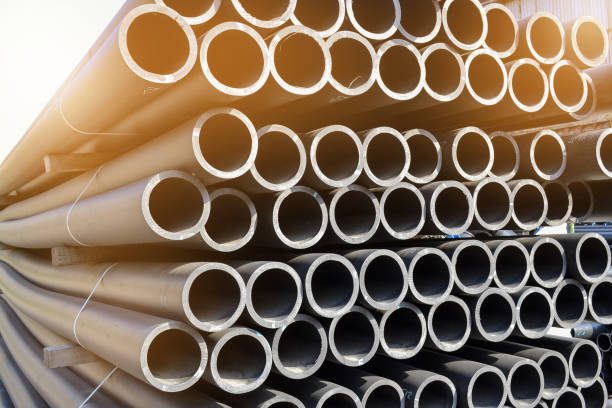
Seamless Boiler Tubes

Seamless Boiler Tubes: Industrial Buyer’s Guide | Deal On Steel

Deal On Steel Industries | Seamless Boiler Tubes Industrial Bulk Supply Seamless Boiler Tubes: A Practical Guide for Industrial Buyers Deal On Steel IndustriesReliable Supply of Industrial-Grade Seamless Boiler Pipes & Tubes for B2B and Bulk Requirements ASTM A192 • A210 • A213 • ASME Introduction When it comes to high-temperature and high-pressure environments, not every steel tube can survive the job. Boilers, heat exchangers, power plants—these systems demand materials that simply don’t fail under pressure. And that’s exactly where Seamless Boiler Tubes come into the picture. Honestly, if you’ve ever worked in procurement or engineering for industrial projects, you already know how critical these components are. A minor defect in tubing can cause serious operational downtime, and in extreme cases, safety risks. That’s why industries rely heavily on Seamless Boiler Steel Tubes—because they’re built without welds, meaning fewer weak points. At Deal On Steel Industries, we work closely with B2B buyers, contractors, and infrastructure companies that need dependable Seamless Boiler Pipes & Tubes in bulk. And if you’re exploring suppliers right now, chances are you’re trying to understand what really matters quality, durability, standards, and supply reliability. So let’s break things down in a simple, practical way. What Are Seamless Boiler Tubes? A Seamless Boiler Tube is a steel tube manufactured without welding seams. Instead of joining two pieces of metal, the tube is formed from a solid steel billet that’s heated and stretched into a hollow shape. The result?A continuous tube structure with uniform strength throughout the wall thickness. You might notice something interesting here because there are no welded joints, the tube handles pressure far better than standard welded pipes. And in boilers or power plants where temperature and pressure fluctuate constantly, that matters a lot. These tubes are commonly used in: Power plants Industrial boilers Oil & gas refineries Petrochemical industries Thermal power systems Heat exchangers In simple terms, wherever steam, heat, and pressure work together, seamless boiler tubes are usually part of the system. Why Industries Prefer Seamless Boiler Steel Tubes Let’s be honest industries rarely choose materials just because they look good on paper. Performance is everything. Here’s why Seamless Boiler Steel Tubes remain the preferred choice. 1. Superior Pressure Resistance Since there’s no welded seam, the tube structure is naturally stronger. It can withstand higher internal pressures compared to welded alternatives.This becomes critical in boilers where steam pressure can exceed safe limits if materials aren’t reliable. 2. Better Heat Tolerance Boilers operate at extreme temperatures. Seamless Boiler Pipes & Tubes are designed to tolerate heat without deforming or cracking.And that stability keeps systems running efficiently. 3. Long Operational Life You don’t want to replace tubes every few years. Industrial downtime is expensive.Seamless tubes offer: Better fatigue resistance Higher structural integrity Longer service life Which ultimately means lower maintenance costs. 4. Improved Safety Here’s the thing—boilers operate under conditions where failure isn’t an option.Using Seamless Boiler Tubes reduces risks related to: Pressure rupture Weld joint failure Structural weakening over time That reliability is why power plants rely heavily on them. Manufacturing Process of Seamless Boiler Tubes This part gets a little technical—but it’s actually fascinating once you understand how these tubes are made. Step 1: Steel Billet Preparation The process begins with a solid round steel billet. The billet is heated in a furnace until it becomes extremely malleable. Step 2: Piercing A rotating piercing tool pushes through the heated billet to create a hollow center.Suddenly, you go from a solid bar of steel to something that looks like a thick hollow pipe. Step 3: Rolling and Stretching The hollow tube is rolled and stretched to achieve the required diameter and wall thickness.Different rolling techniques are used depending on the final tube specification. Step 4: Heat Treatment Heat treatment enhances: Strength Durability Resistance to high temperature This is especially important for Seamless Boiler Steel Tubes because they must handle intense thermal environments. Step 5: Finishing and Inspection Finally, the tubes undergo: Ultrasonic testing Hydrostatic pressure testing Dimensional inspection Only after these checks are they ready for industrial supply. Key Grades of Seamless Boiler Pipes & Tubes Different projects require different material grades. You can’t use a single type for everything. Some commonly used grades include: Carbon Steel Boiler Tubes These are widely used in industrial boilers because they offer good strength and cost efficiency.Common standards include: ASTM A192 ASTM A210 ASTM A179 Alloy Steel Boiler Tubes These tubes contain additional alloying elements like chromium or molybdenum.Why does that matter?Because alloy steels perform better in high-temperature environments.Common grades include: ASTM A213 T11 ASTM A213 T22 ASTM A335 These are frequently used in power plants and petrochemical facilities. Applications of Seamless Boiler Tubes in Industry Now let’s talk about where these tubes are actually used. And trust me, the list is longer than most people expect. Power Generation Plants Thermal and nuclear power plants use Seamless Boiler Pipes & Tubes extensively.They transport: High-pressure steam Superheated fluids Heat energy within boiler systems Without durable tubing, power generation simply wouldn’t be stable. Oil & Gas Industry Refineries use Seamless Boiler Steel Tubes in heat exchangers and steam boilers.These environments involve: Corrosive chemicals High pressure Extreme temperature swings Seamless construction becomes essential. Chemical Processing Plants Chemical plants require materials that resist both pressure and chemical exposure.These tubes help maintain operational safety in reactor systems and processing units. Industrial Boilers Factories across sectors—textiles, food processing, paper mills—use boilers daily.And yes, Seamless Boiler Tubes play a major role in keeping those systems running smoothly. Choosing the Right Seamless Boiler Tubes Supplier If you’re buying for industrial projects, selecting the right seamless boiler tubes suppliers can make a massive difference.Not all suppliers offer the same level of reliability. Here are a few things experienced buyers usually look for: Quality Certification Reliable suppliers provide materials that meet international standards like: ASTM ASME DIN EN Certification ensures consistent manufacturing quality. Consistent Supply for Bulk Orders For B2B buyers, supply consistency matters more than anything.Large projects require timely deliveries of Seamless Boiler Pipes &

Scroll to Top