Trending Steel

Trending Steel

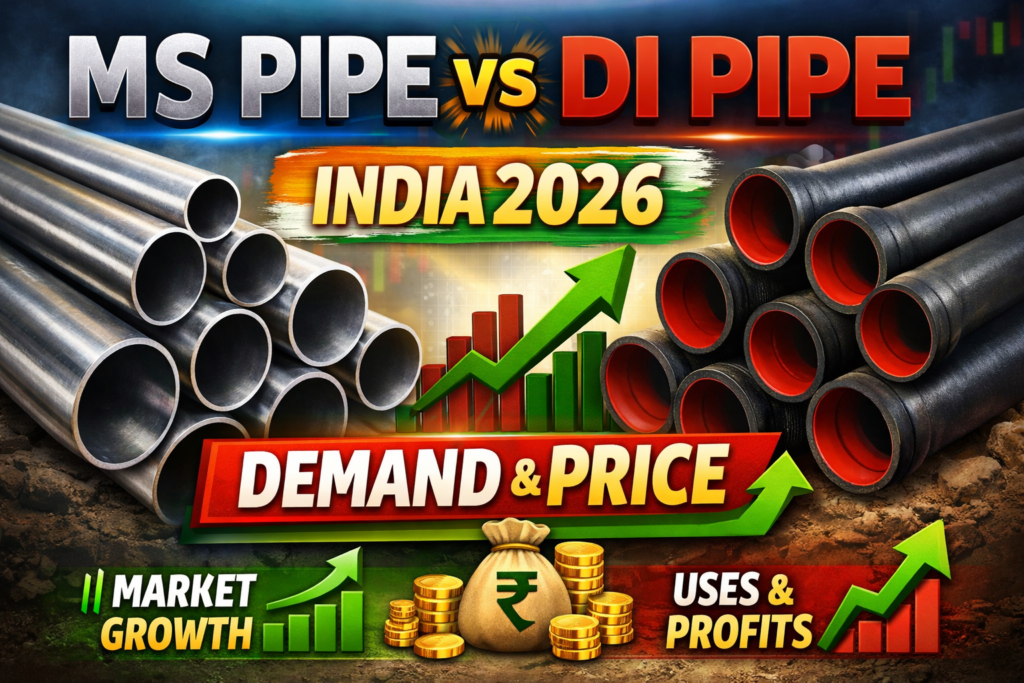
MS Pipe vs DI Pipe Demand & Price in India 2026: Market Growth, Uses & Profit Analysis

MS Pipe vs DI Pipe Demand & Price in India 2026: Market Growth, Uses & Profit Analysis India’s infrastructure boom is not slowing down anytime soon—and if you’re in the B2B pipe industry, you already feel it. From smart cities to rural water supply projects, the demand for pipes is rising fast. But one question continues to dominate buyer decisions: Should you invest in MS pipes or DI pipes in 2026? This blog breaks down everything you need to know about MS Pipe vs DI Pipe Demand—including pricing, applications, market trends, and profit opportunities—so you can make smarter business decisions. 🚀 Introduction: Why This Comparison Matters in 2026 The Indian pipe industry is going through a transformation. Government spending on infrastructure, water supply schemes like Jal Jeevan Mission, and rapid urbanization are pushing demand to new levels. But here’s the catch: MS pipes (Mild Steel) are dominating industrial and structural applicationsDI pipes (Ductile Iron) are leading in water supply and sewage systems So, where should you focus your investment? Let’s break it down. 📊 MS Pipe vs DI Pipe Demand in India 2026 🔹 MS Pipe Demand in India 2026 MS pipes are widely used across multiple industries due to their strength, flexibility, and cost-effectiveness. Key Demand Drivers: Construction & real estate boomIndustrial piping systemsOil & gas sector expansionInfrastructure projects (bridges, highways) 👉 Trend Insight (2026): The demand for MS pipes is growing steadily at 6–8% CAGR, especially in metro cities and industrial zones. Why Buyers Prefer MS Pipes: Lower cost compared to DI pipesEasy fabrication and weldingAvailability in bulk quantitiesIdeal for structural use 🔹 DI Pipe Demand in India 2026 DI pipes are the backbone of India’s water infrastructure. Key Demand Drivers: Government water supply projectsSmart city developmentSewerage and drainage systemsRural pipeline expansion 👉 Trend Insight (2026): DI pipe demand is growing faster than MS pipes at 8–10% CAGR, mainly due to public sector projects. Why DI Pipes Are Preferred: Long lifespan (50+ years)Corrosion resistanceLeak-proof jointsIdeal for underground water systems📈 Steel Pipe Market Growth in India (2026 Outlook) The overall steel pipe market growth in India is highly promising. Market Highlights: Strong push from infrastructure spendingIncreased private investmentsExport demand risingGovernment policies supporting manufacturing 💡 Real Insight: India is becoming a global hub for steel pipes, especially for Middle East and African markets. 💰 MS vs DI Pipe Price Comparison (2026) Let’s talk about what matters most—pricing and profitability. 🔹 MS Pipe Price (India 2026)₹55 – ₹75 per kg (approx.)Prices fluctuate based on steel ratesMore volatile due to raw material dependency🔹 DI Pipe Price (India 2026)₹80 – ₹120 per kg (approx.)Higher upfront costStable pricing due to structured demand 📊 Quick Comparison Table Factor MS Pipe DI PipePrice Lower HigherDemand Type Private + Industrial Government + InfrastructureProfit Margin Medium High (bulk contracts)Lifespan Moderate Very HighMaintenance Medium Low 🏗️ Applications: Where Each Pipe Dominates🔹 MS Pipe UsesStructural frameworksIndustrial pipelinesFirefighting systemsOil & gas transport 👉 Best for private sector projects 🔹 DI Pipe UsesDrinking water supplySewer systemsIrrigation pipelinesMunicipal infrastructure 👉 Best for government tenders & EPC contracts 📦 Infrastructure Pipe Demand in India India’s infrastructure push is the biggest reason behind rising pipe demand. Major Projects Driving Demand: Jal Jeevan MissionSmart Cities MissionHighway expansion projectsUrban sewage systems 👉 Water supply pipe demand in India is expected to dominate the market till 2030. 📉 Pipe Industry Trends 2026 (Important Insights) Here are the trends smart B2B players are already leveraging: 🔸 1. Shift Toward DI Pipes in Government Projects DI pipes are becoming mandatory in many public tenders. 🔸 2. Price Volatility in MS Pipes Steel price fluctuations directly impact MS pipe margins. 🔸 3. Export Opportunities Rising Indian suppliers are exporting pipes globally. 🔸 4. Bulk Buying is Increasing Large contractors prefer bulk sourcing to reduce cost. 💼 Profit Analysis: Which is Better for Your Business? Let’s be practical—which one makes more money? 🔹 MS Pipe Business Profitability Pros: Faster sales cycleHigh volume demandLower investment Cons: Lower marginsPrice fluctuations 👉 Best for: Traders, wholesalers, local suppliers 🔹 DI Pipe Business Profitability Pros: High-margin contractsLong-term projectsStable demand Cons: High investmentTender-based sales 👉 Best for: Large suppliers, contractors, EPC companies 📌 Bulk MS Pipe Suppliers India vs DI Pipe Suppliers India If you’re sourcing in bulk, choosing the right supplier matters. 🔹 For MS Pipes: Look for: Competitive pricingFast deliveryCustom sizes availability 👉 Example Internal Link:Check our detailed guide on bulk MS pipe suppliers in India 🔹 For DI Pipes: Look for: ISI-certified productsGovernment-approved vendorsStrong logistics support 👉 Example Internal Link:Explore trusted DI pipe suppliers in India 🤔 So, Which One Should You Choose? Here’s a simple way to decide: Go for MS Pipes if you want:Quick turnoverLower investmentIndustrial clientsChoose DI Pipes if you want:High-value contractsGovernment projectsLong-term stability 🔥 Final Thoughts The debate of MS Pipe vs DI Pipe Demand is not about which is better—it’s about which fits your business model. In 2026: MS pipes = Volume gameDI pipes = Value game If you’re serious about growth, the smartest strategy is diversification—work with both segments and capture the full market. 📊 Featured Snippet Paragraph MS Pipe vs DI Pipe Demand in India 2026:MS pipes are widely used in construction and industrial sectors due to their lower cost and flexibility, while DI pipes dominate water supply and infrastructure projects because of their durability and long lifespan. In 2026, DI pipe demand is growing faster due to government projects, whereas MS pipes maintain steady demand in private sectors. ❓ FAQs (SEO Optimized) 1. What is the demand for MS pipes in India in 2026? MS pipe demand in India is growing at 6–8% CAGR, mainly driven by construction, infrastructure, and industrial usage. 2. Why are DI pipes more expensive than MS pipes? DI pipes have higher durability, corrosion resistance, and longer lifespan, making them more expensive than MS pipes. 3. Which pipe is better for water supply in India? DI pipes are better for water supply due to their leak-proof design and long service life. 4. What is the price of steel pipe per kg
Trending Steel

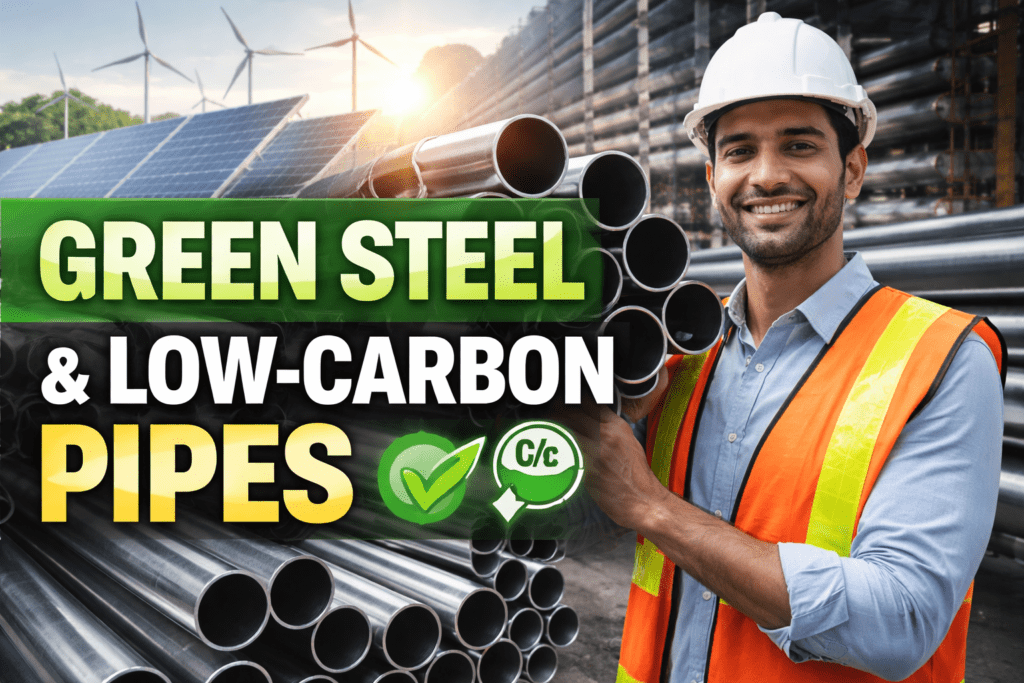
Green Steel & Low-Carbon Steel Pipes: The Future of India’s Industrial Infrastructure

Green Steel & Low-Carbon Steel Pipes: The Future of India’s Industrial Infrastructure Supplying high-quality MS, GI, Square & Rectangular Pipes for construction,infrastructure, fabrication, and industrial projects across India. Home Contact us Introduction The Indian steel industry is undergoing a significant transformation as sustainability becomes a core focus across global supply chains. One of the most important developments in this shift is the rise of green steel and low-carbon steel pipes. With increasing environmental regulations, ESG compliance requirements, and global demand for sustainable materials, Indian manufacturers, suppliers, and industrial buyers are now actively exploring eco-friendly steel solutions. This blog provides a detailed overview of green steel pipes, their manufacturing process, benefits, market demand, and why they are becoming essential for industries in India. What is Green Steel? Green steel refers to steel produced using processes that significantly reduce carbon emissions compared to traditional methods. Traditional Steel Production: Uses coal-based blast furnaces Emits high levels of CO₂ Energy-intensive process Green Steel Production: Uses renewable energy sources (solar, wind) Incorporates scrap-based recycling Utilizes hydrogen-based reduction technology The result is low-carbon or near-zero emission steel, which is now being adopted globally. What are Low-Carbon Steel Pipes? Low-carbon steel pipes are manufactured using environmentally friendly steel production methods. These pipes offer the same structural strength and durability but with a lower environmental impact. Common Types: ERW (Electric Resistance Welded) Pipes Seamless Pipes GI (Galvanized Iron) Pipes Hollow Structural Sections These are widely used across infrastructure, oil & gas, construction, and water management sectors. Why Green Steel Pipes are Trending in India 1. Government Policies & Sustainability Goals India is actively working towards reducing carbon emissions in heavy industries. Steel manufacturers are being encouraged to adopt cleaner technologies and reduce their carbon footprint. 2. Rising Export Demand Global buyers, especially in Europe and the Middle East, are increasingly demanding: ESG-compliant materials Low-carbon certified steel products Indian exporters adopting green steel are gaining a competitive edge in international markets. 3. Corporate ESG Compliance Large corporations and infrastructure developers are now prioritizing: Sustainable sourcing Environmental compliance Green certifications This is driving demand for eco-friendly steel pipes in B2B procurement. Manufacturing Process of Green Steel Pipes Green steel pipe production involves several advanced processes: 1. Scrap-Based Electric Arc Furnace (EAF) Uses recycled steel scrap Reduces dependency on raw iron ore Significantly lowers emissions 2. Hydrogen-Based Reduction (Emerging Technology) Replaces coal with hydrogen Produces water instead of CO₂ 3. Renewable Energy Integration Solar and wind energy used in production Reduces overall carbon footprint 4. Efficient Rolling & Finishing Modern automated mills Reduced energy consumption Key Benefits of Low-Carbon Steel Pipes ✔ Environmental Benefits Lower carbon emissions Reduced environmental impact Supports sustainability goals ✔ Business Advantages Better acceptance in export markets Meets ESG and compliance requirements Enhances brand reputation ✔ Operational Benefits Same durability and strength High corrosion resistance (depending on coating) Suitable for all major industrial applications Applications Across Industries Green steel pipes are being widely adopted across multiple sectors: 🏗️ Construction & Infrastructure Structural frameworks Bridges and buildings Smart city projects 🛢️ Oil & Gas Industry Pipeline transportation Offshore drilling High-pressure applications 💧 Water & Waste Management Water supply systems Sewage pipelines Irrigation projects ⚙️ Manufacturing & Engineering Industrial machinery Fabrication units Process industries Challenges in Adoption While the demand is increasing, there are still some challenges: 1. Higher Initial Cost Green steel production can be more expensive due to advanced technology and energy costs. 2. Limited Supply Currently, not all manufacturers in India produce certified green steel. 3. Technology Transition Switching from traditional methods requires investment in new infrastructure and processes. Future Outlook of Green Steel Pipes in India The future of green steel in India looks highly promising. Key Trends: Increasing investment in sustainable steel plants Government incentives for low-carbon production Growing export opportunities Rising awareness among B2B buyers Over the next 5–10 years, green steel pipes are expected to become a standard requirement rather than a niche product. How Businesses Can Benefit For manufacturers, traders, and suppliers in India, adopting green steel can open new opportunities: ✔ Enter premium markets ✔ Improve export potential ✔ Build long-term client trust ✔ Align with global sustainability trends Conclusion Green steel and low-carbon steel pipes are no longer just a trend—they represent the future of the steel industry. As environmental regulations tighten and global demand shifts toward sustainable materials, Indian businesses must adapt to stay competitive. Steel Prices May Rise in march For B2B buyers and industrial stakeholders, investing in eco-friendly steel solutions today can ensure long-term growth, compliance, and market relevance.

Scroll to Top