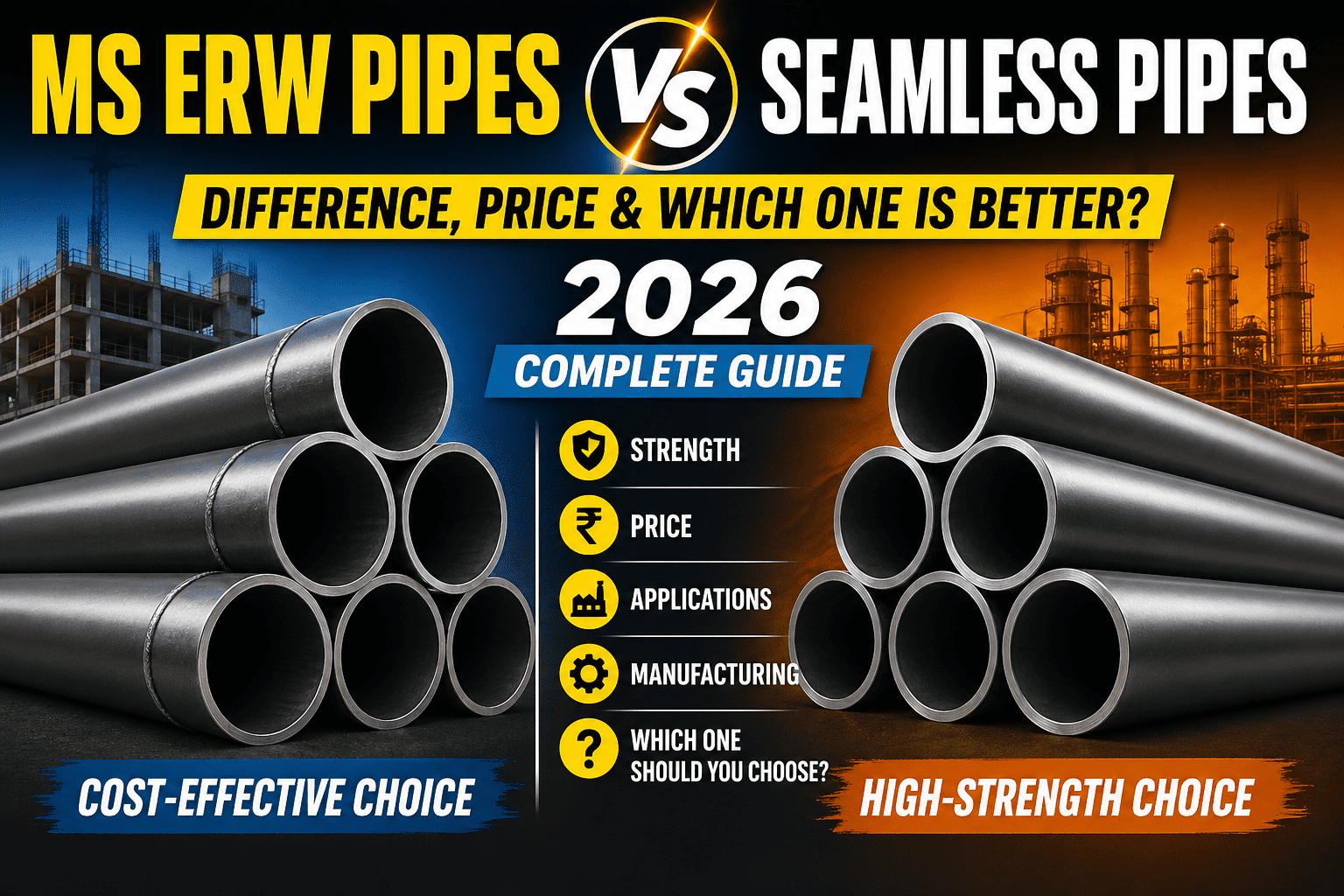
ERW vs Seamless Pipe – Complete Comparison Guide
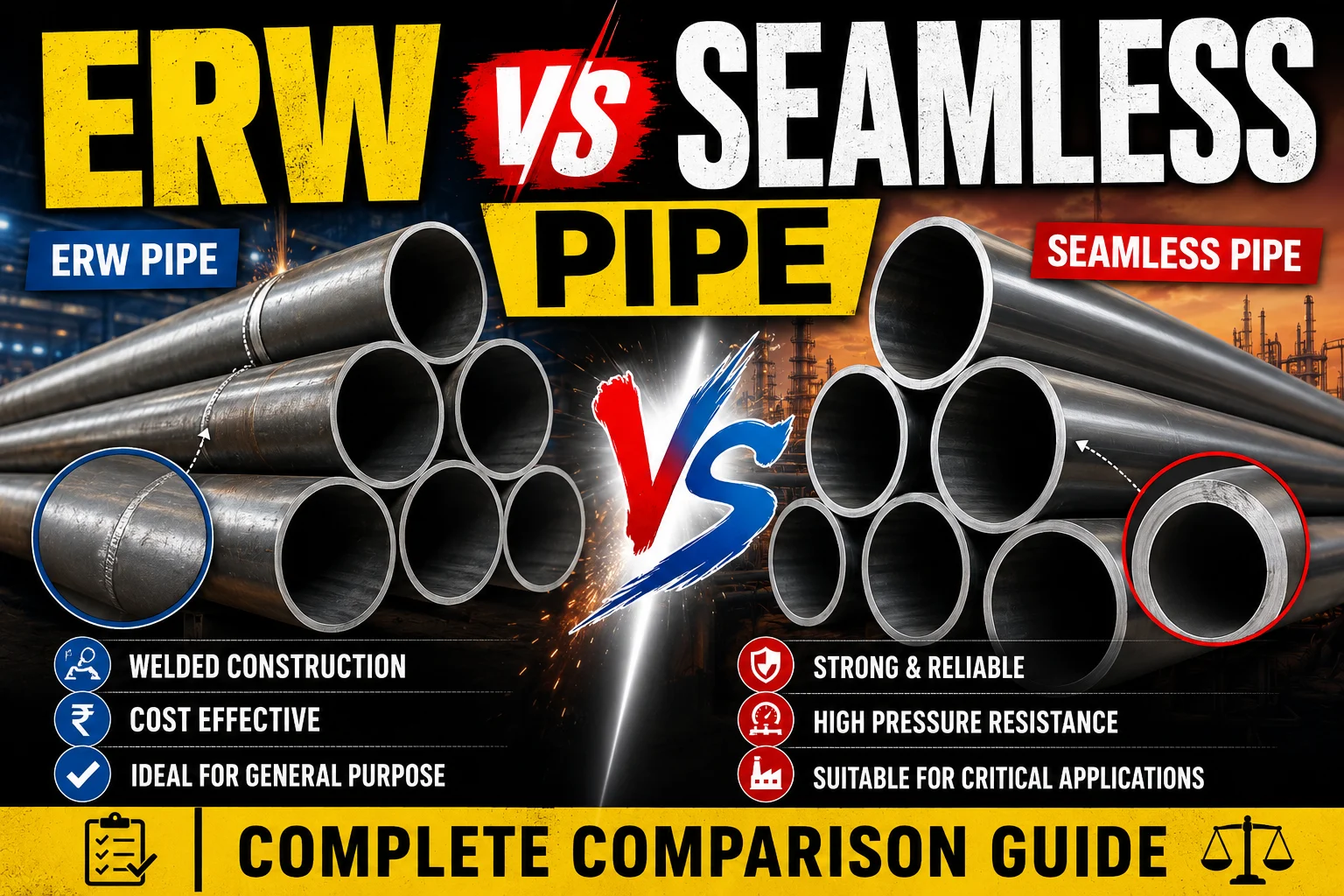
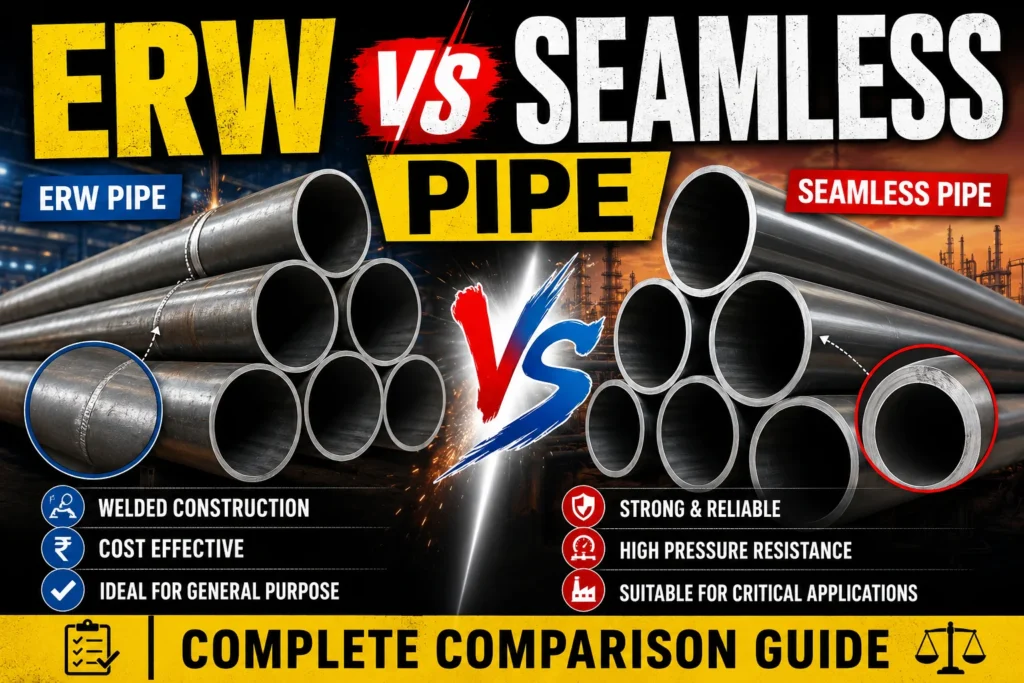
ERW pipes and seamless pipes differ mainly in their manufacturing process, strength, pressure handling, and industrial applications. ERW pipes are welded and cost-effective for general construction and plumbing, while seamless pipes are stronger, pressure-resistant, and preferred for oil, gas, boiler, and high-temperature industrial applications. Selecting the right industrial pipe is one of the most important decisions in any construction, fabrication, plumbing, or industrial project. Many buyers, contractors, EPC companies, fabrication industries, refineries, and plumbing contractors often get confused between ERW pipes and seamless pipes because both are widely used across industries.
However, the wrong pipe selection can directly affect:
- Project safety
- Pressure handling capability
- Maintenance cost
- Corrosion resistance
- Long-term durability
- Overall project lifespan
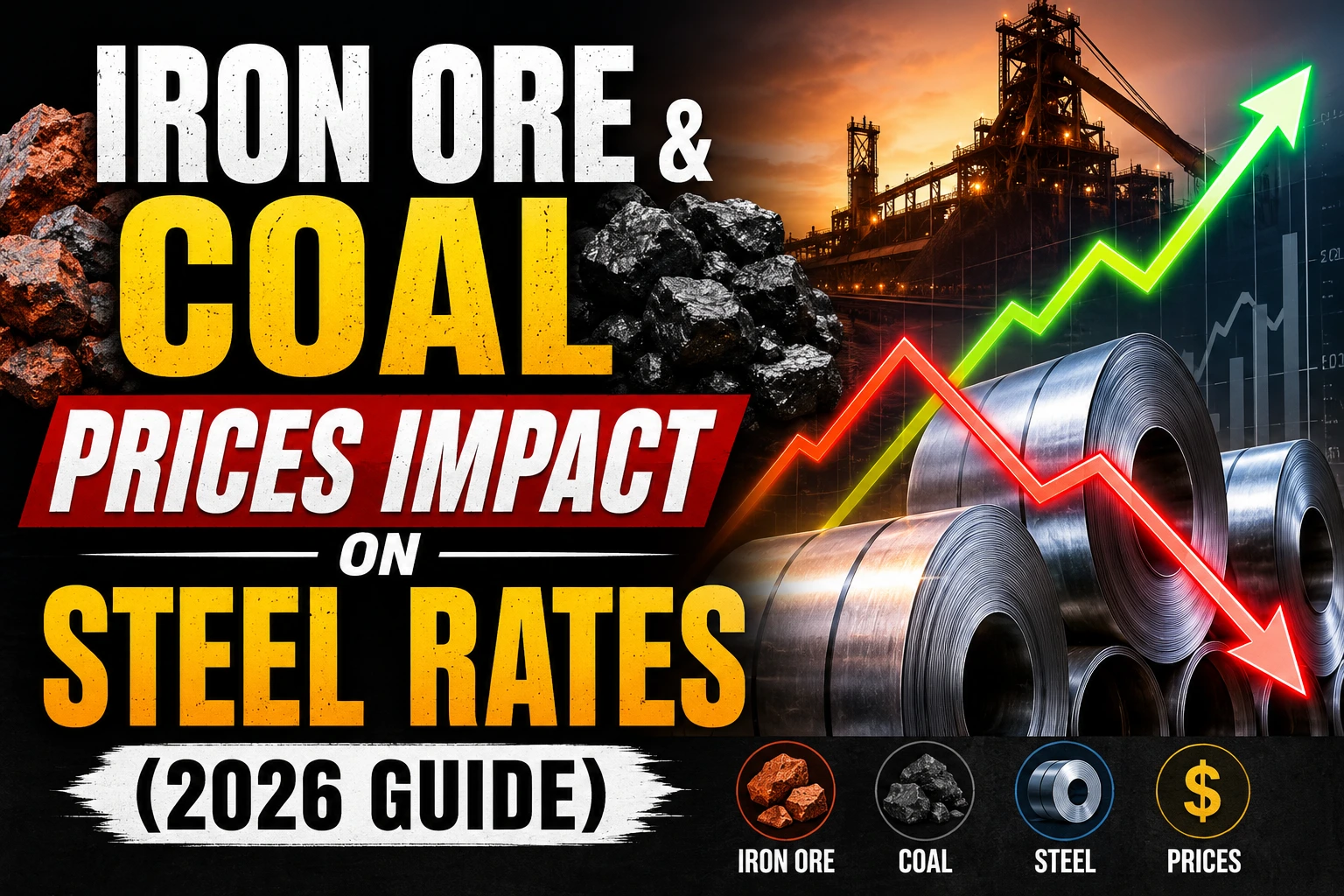
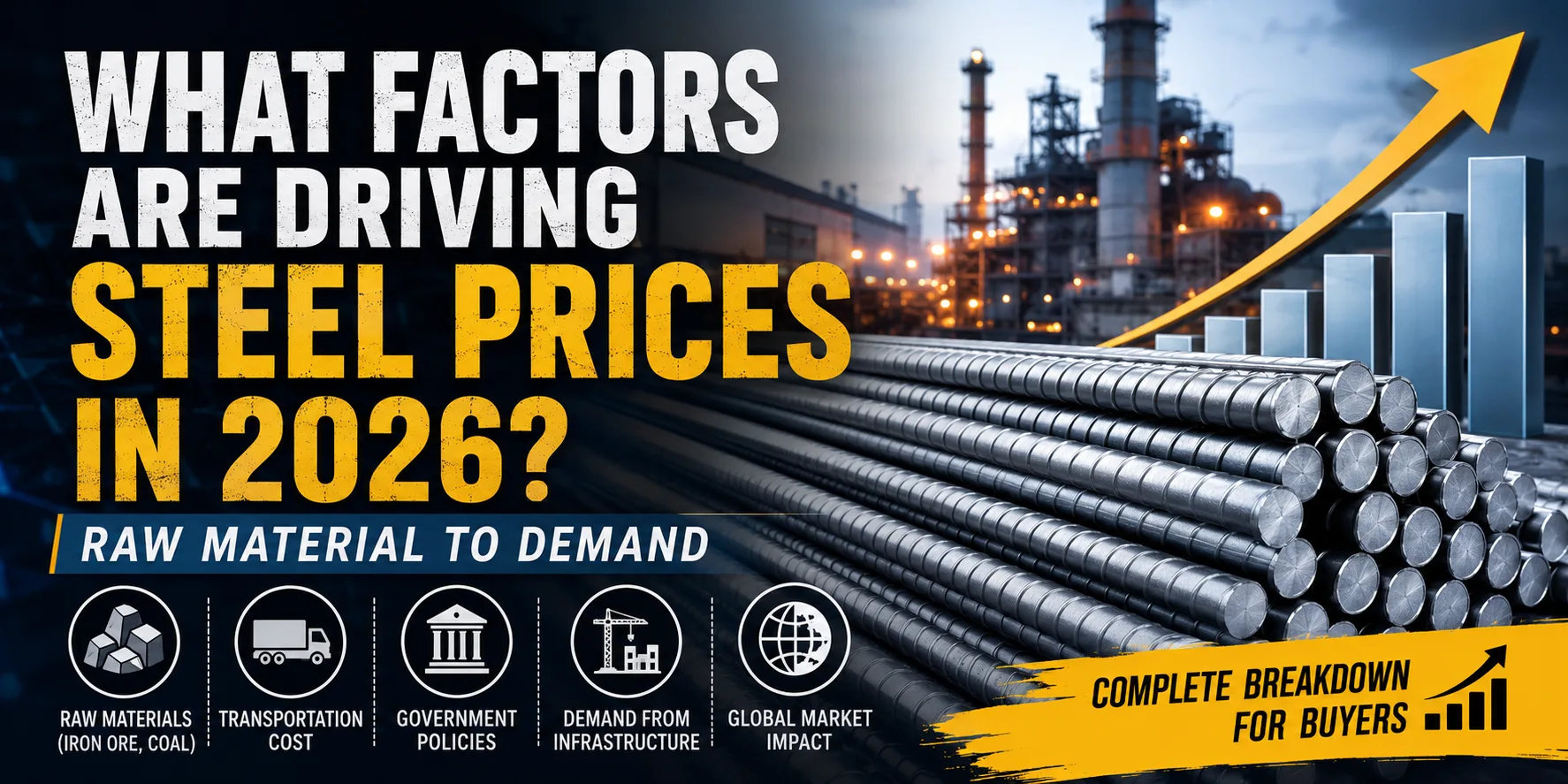
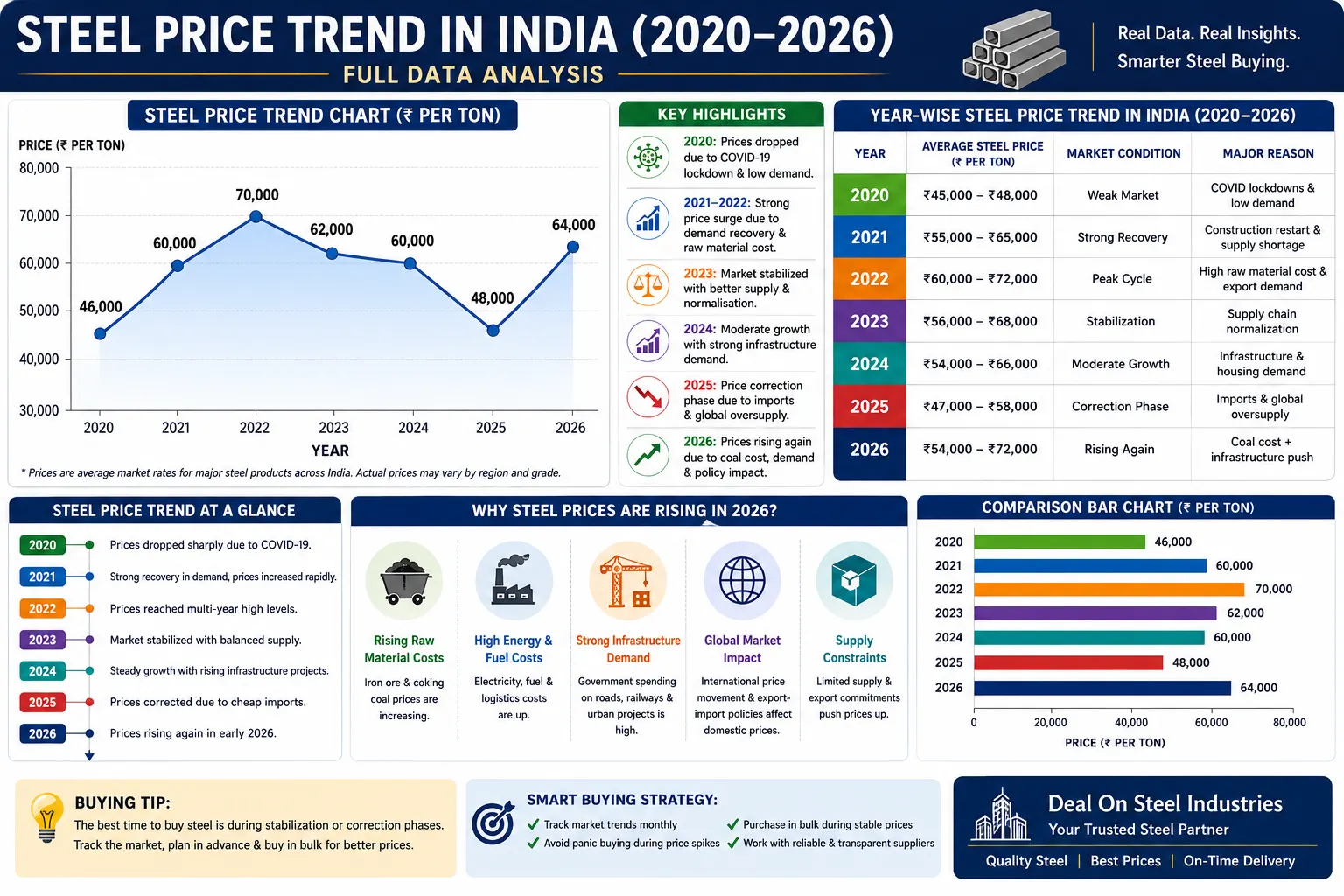
In industrial applications, choosing between ERW and seamless pipes is not only about price. It is also about operating pressure, temperature conditions, mechanical strength, and reliability. This detailed industrial pipe comparison guide explains the complete difference between ERW and seamless pipe, including manufacturing process, applications, advantages, disadvantages, pricing, strength, weight, and industrial suitability. If you’re confused about market direction, this guide on steel market outlook India 2026 is worth reading.
What is ERW Pipe?
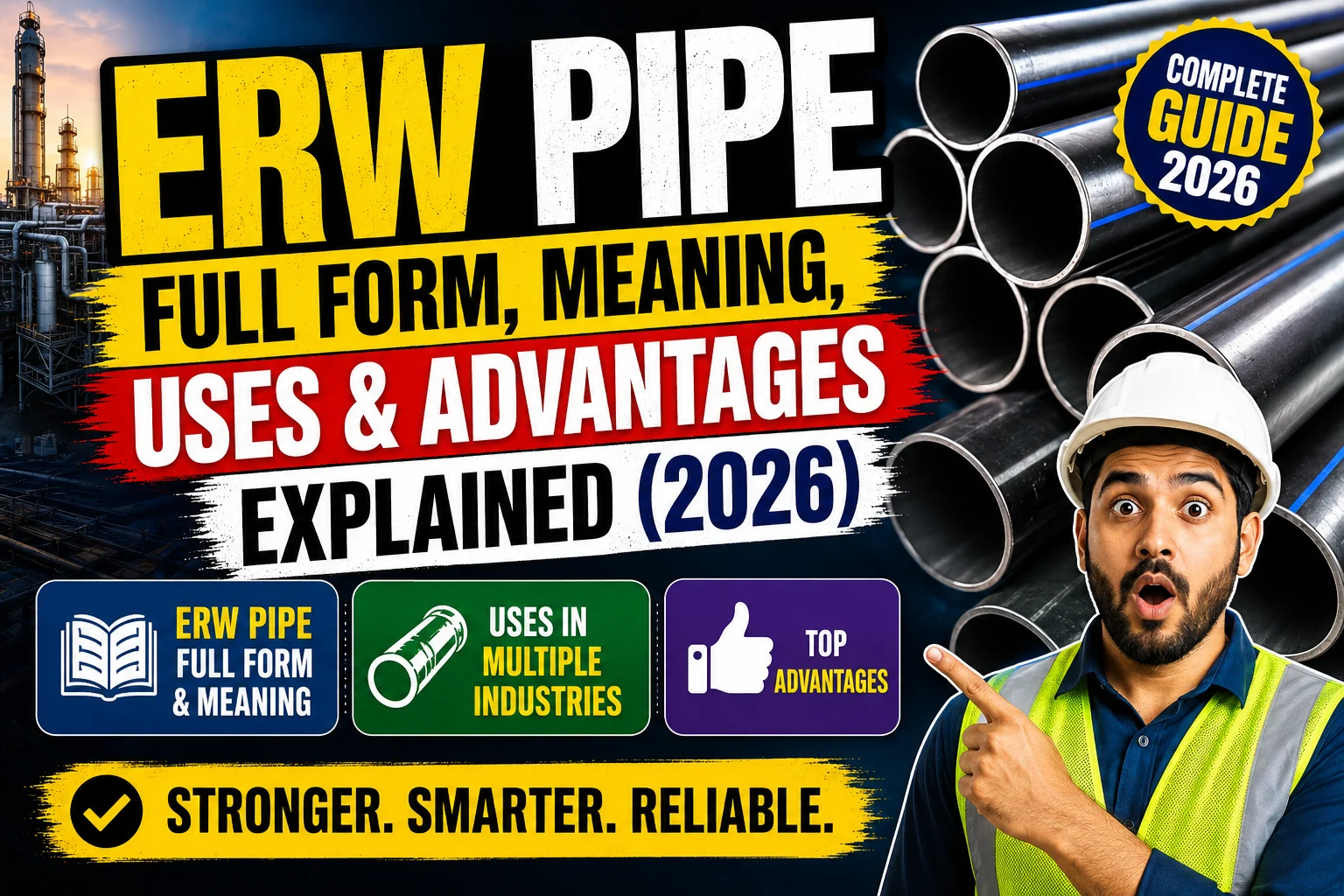
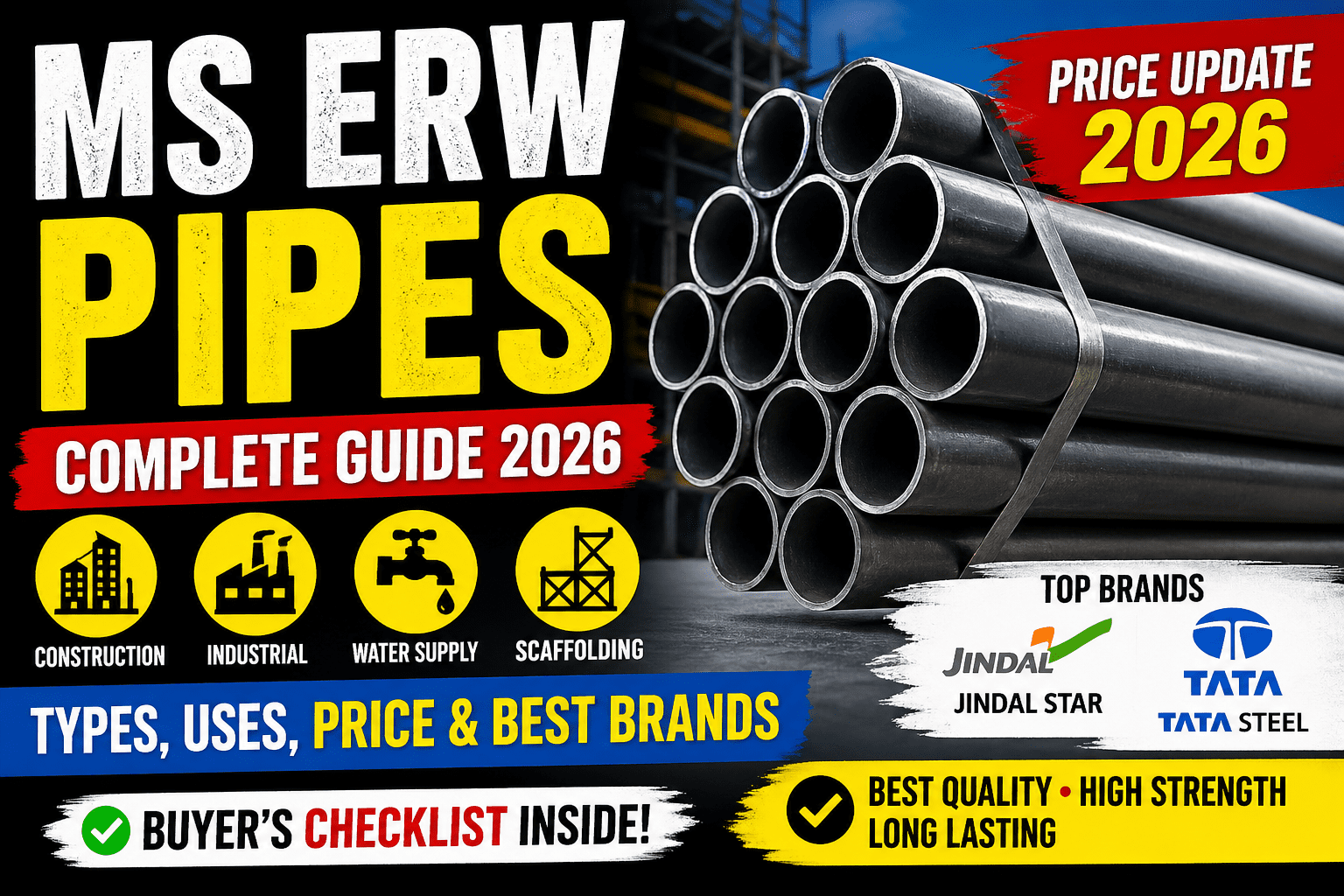
ERW pipe full form is Electric Resistance Welded Pipe. These pipes are manufactured by rolling steel strips or coils into a cylindrical shape and welding the edges using electric resistance heat. Unlike traditional welded pipes that use filler material, ERW pipes are welded through electrical resistance and pressure. The weld seam is heat-treated to improve strength and durability.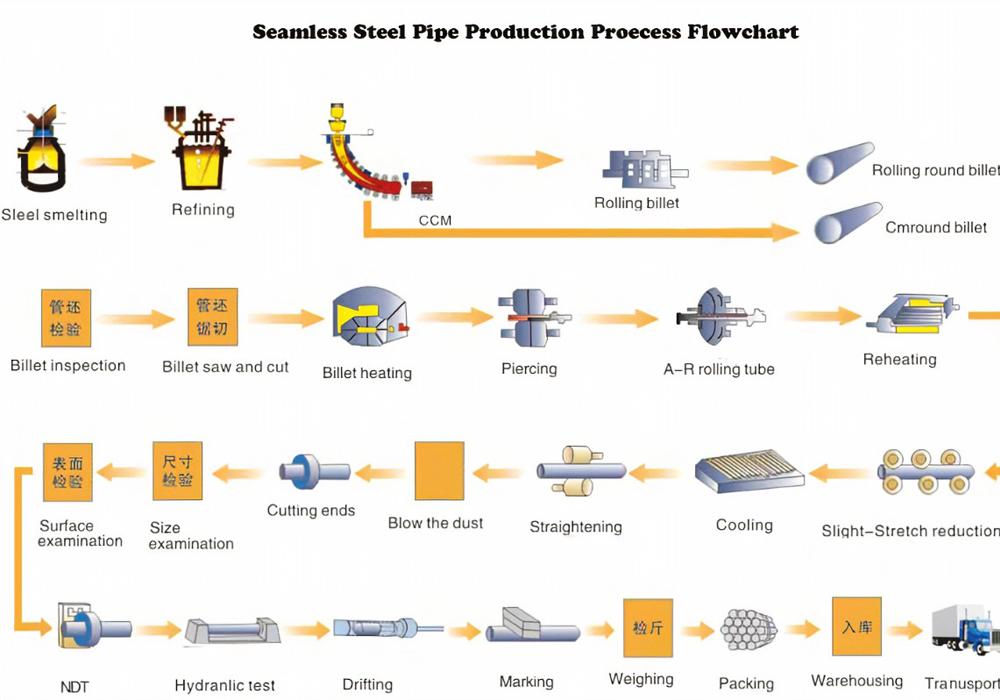
ERW pipes are widely used because they are:
- Economical
- Easily available
- Dimensionally accurate
- Suitable for medium-pressure applications
- Ideal for structural and plumbing use
ERW steel pipes are one of the most common carbon steel pipe types used in India and international markets.
How ERW Pipes are Manufactured
The manufacturing process of ERW pipes involves several high-speed production stages.
1. HR Coil Preparation
The process starts with Hot Rolled (HR) steel coils. These coils are slit into steel strips according to the required pipe size.
2. Strip Formation
The steel strip passes through multiple forming rollers that gradually bend it into a round tubular shape.
3. Electric Resistance Welding
Once the edges meet, high-frequency electric current generates heat at the joint. Pressure rollers then fuse the edges together without filler metal.
This creates a strong longitudinal weld seam.
4. Sizing Process
The welded pipe passes through sizing rollers to achieve accurate dimensions and diameter consistency.
5. Finishing
After sizing, pipes undergo:
- Cutting
- Straightening
- Surface finishing
- End finishing
6. Testing and Inspection
ERW pipes are tested for:
- Hydrostatic pressure
- Weld integrity
- Thickness
- Diameter tolerance
- Surface defects
Modern ERW manufacturing provides:
- High production speed
- Excellent dimensional accuracy
- Smooth surface finish
- Consistent wall thickness
Common Applications of ERW Pipes
ERW steel pipe applications are extensive because of their affordability and versatility.
Common uses include:
- Water pipelines
- Structural fabrication
- Scaffolding
- Plumbing systems
- Fencing
- Agricultural pipelines
- Furniture manufacturing
- Automotive components
- Steel structures
- Conveyor systems
ERW pipes are highly preferred in construction and infrastructure projects due to their lower cost and easy availability.
What is Seamless Pipe?
A seamless pipe is a steel pipe manufactured without any welded joint or seam. These pipes are produced from solid steel billets and are known for superior mechanical strength and pressure resistance.
Since there is no weld seam, seamless pipes perform better in:
- High-pressure conditions
- High-temperature applications
- Critical industrial systems
- Corrosive environments
Seamless steel pipe uses are mainly found in industries where safety and reliability are extremely important.
How Seamless Pipes are Manufactured
The manufacturing process of seamless pipes is more complex and expensive than ERW pipes.
1. Solid Steel Billet Heating
A solid round steel billet is heated at very high temperatures.
2. Rotary Piercing
The heated billet is pierced using rotary piercing equipment to create a hollow center.
3. Elongation
The hollow shell is elongated using rolling mills to achieve the required pipe length and diameter.
4. Rolling Process
The pipe undergoes additional rolling for dimensional refinement and wall thickness control.
5. Heat Treatment
Heat treatment improves:
- Mechanical properties
- Strength
- Hardness
- Pressure resistance
6. Finishing and Inspection
The final stage includes:
- Straightening
- Surface finishing
- Ultrasonic testing
- Hydro testing
- Dimensional inspection
Although seamless manufacturing is expensive, it produces pipes with:
- Superior mechanical properties
- Excellent pressure resistance
- Better reliability in critical applications
Common Applications of Seamless Pipes
Seamless steel pipes are heavily used in industries where operational failure can be dangerous.
Common seamless steel pipe uses include:
- Oil & gas pipelines
- Refineries
- Power plants
- Boiler systems
- Petrochemical industries
- Hydraulic systems
- Chemical processing industries
- High-pressure steam lines
- Offshore drilling operations
These industries prefer seamless pipes because they can withstand extreme pressure and temperature conditions.
ERW vs Seamless Pipe: Key Differences
Below is the complete industrial pipe comparison between ERW and seamless pipes.
| Feature | ERW Pipe | Seamless Pipe |
|---|---|---|
| Manufacturing | Welded | No weld |
| Strength | Moderate | Very high |
| Pressure Handling | Medium | Excellent |
| Cost | Lower | Higher |
| Surface Finish | Smooth | Slightly rough |
| Size Accuracy | Better | Moderate |
| Availability | Easily available | Limited |
| Industrial Use | General | Critical applications |
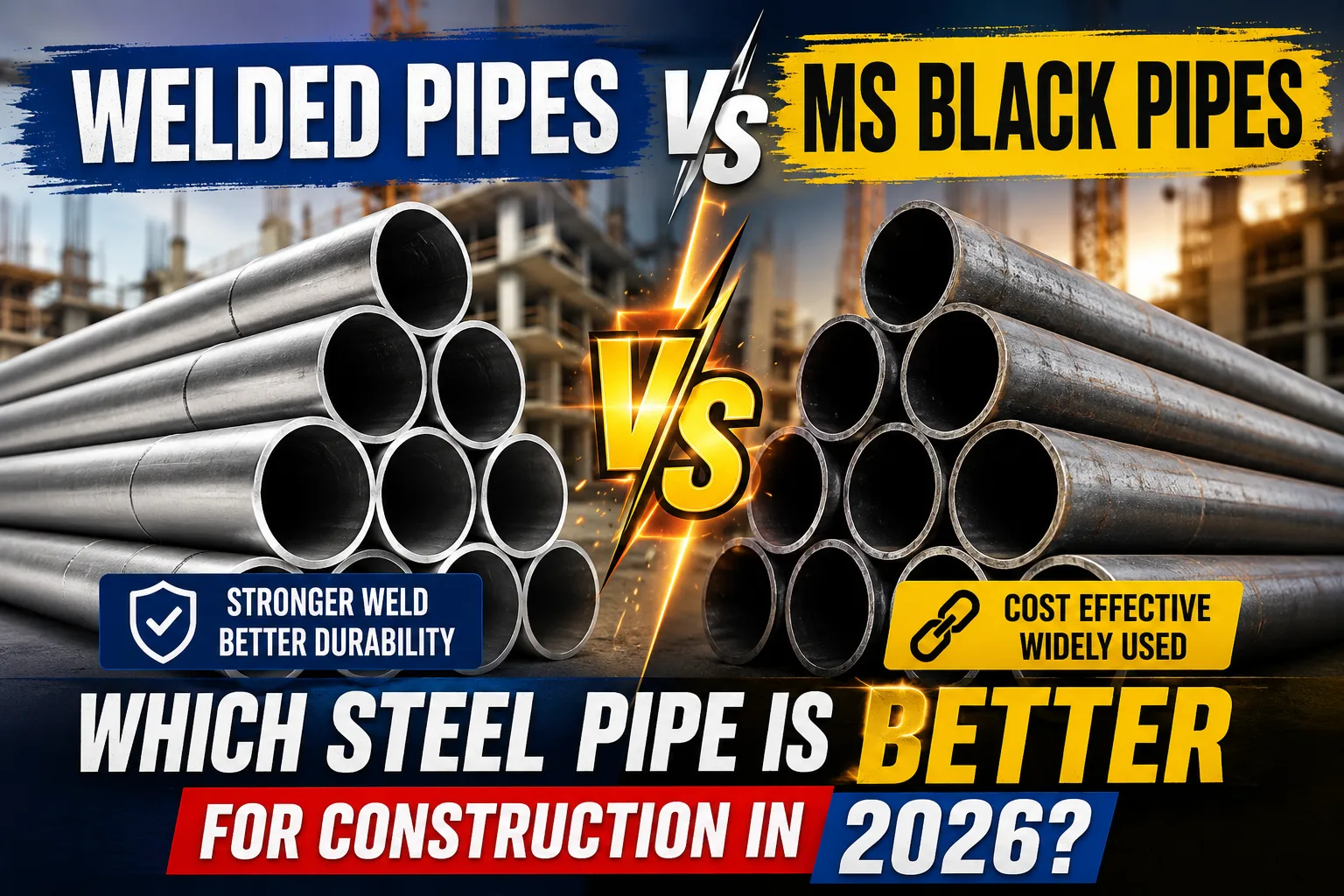
The major difference between ERW and seamless pipe lies in the presence of a welded seam. Seamless pipes offer better strength under extreme conditions, while ERW pipes provide economical solutions for general applications.
Which Pipe is Stronger: ERW or Seamless?
When discussing welded vs seamless pipe strength, seamless pipes are generally considered stronger. This is because seamless pipes do not contain a welded joint, eliminating the possibility of weld seam failure under high pressure.
However, modern ERW manufacturing technology has significantly improved weld quality. High-quality ERW pipes today can safely perform in many medium-pressure industrial applications.
The final choice depends on:
- Operating pressure
- Temperature
- Fluid type
- Safety requirement
- Budget
- Industry standards
For critical industries like oil & gas or boilers, seamless pipes are usually preferred. For structural work, plumbing, and fabrication, ERW pipes are often sufficient.
ERW Pipe vs Seamless Pipe Price Comparison
One of the biggest deciding factors for buyers is pricing.
Seamless pipes are more expensive because of:
- Complex manufacturing process
- Higher energy consumption
- Solid billet requirement
- More material wastage
- Lower production speed
ERW pipes are comparatively economical because they are produced from steel coils using automated high-speed production.
Approximate Pipe Price Comparison
| Pipe Type | Approx Price Range |
|---|---|
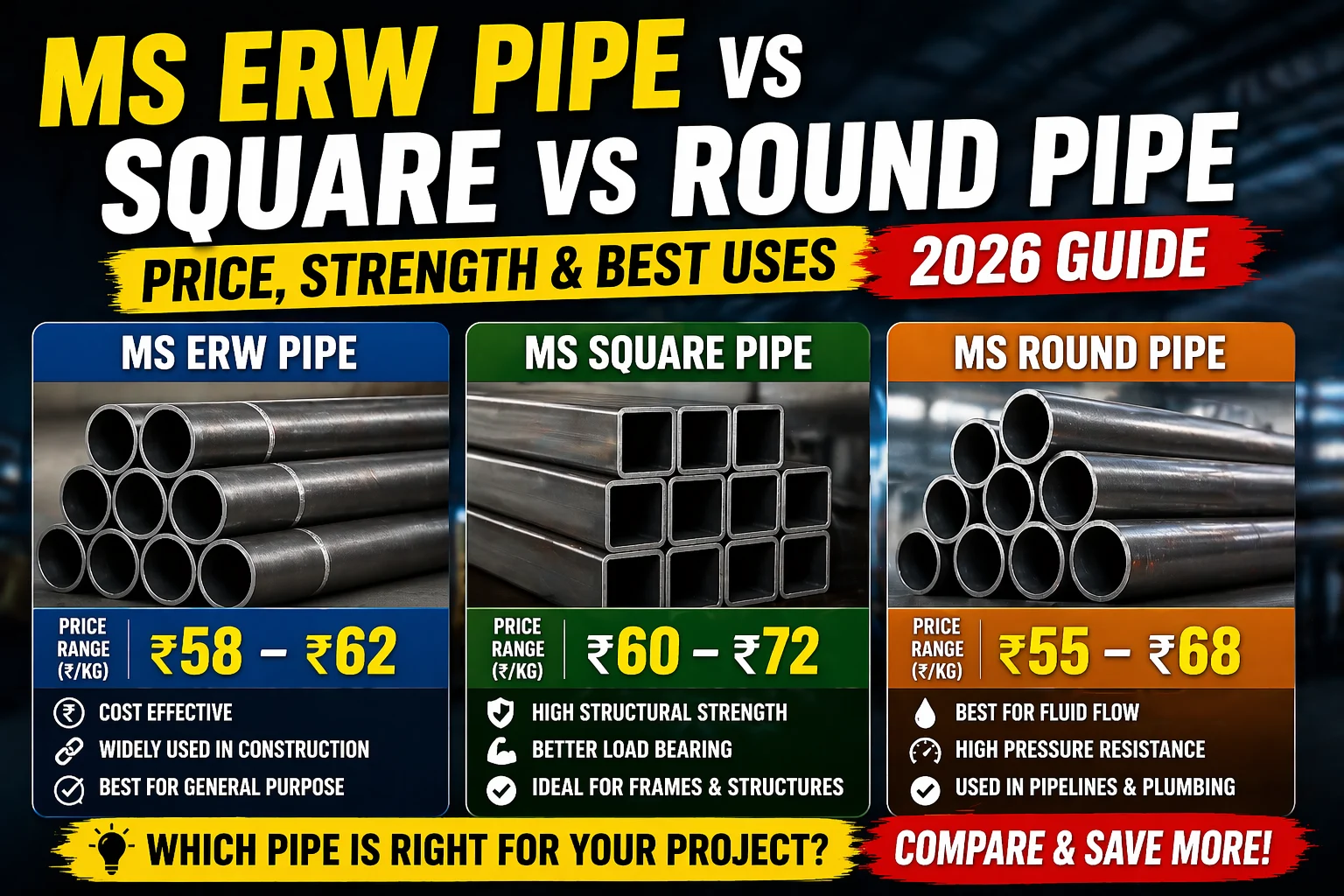
| ERW MS Pipe | ₹60–₹90/kg |
| Seamless MS Pipe | ₹85–₹140/kg |
| SS ERW Pipe | ₹220–₹240/kg |
| SS Seamless Pipe | ₹250–₹320/kg |
Prices may vary based on:
- Steel grade
- Brand
- Pipe schedule
- Market demand
- GST and transportation
- Thickness and size
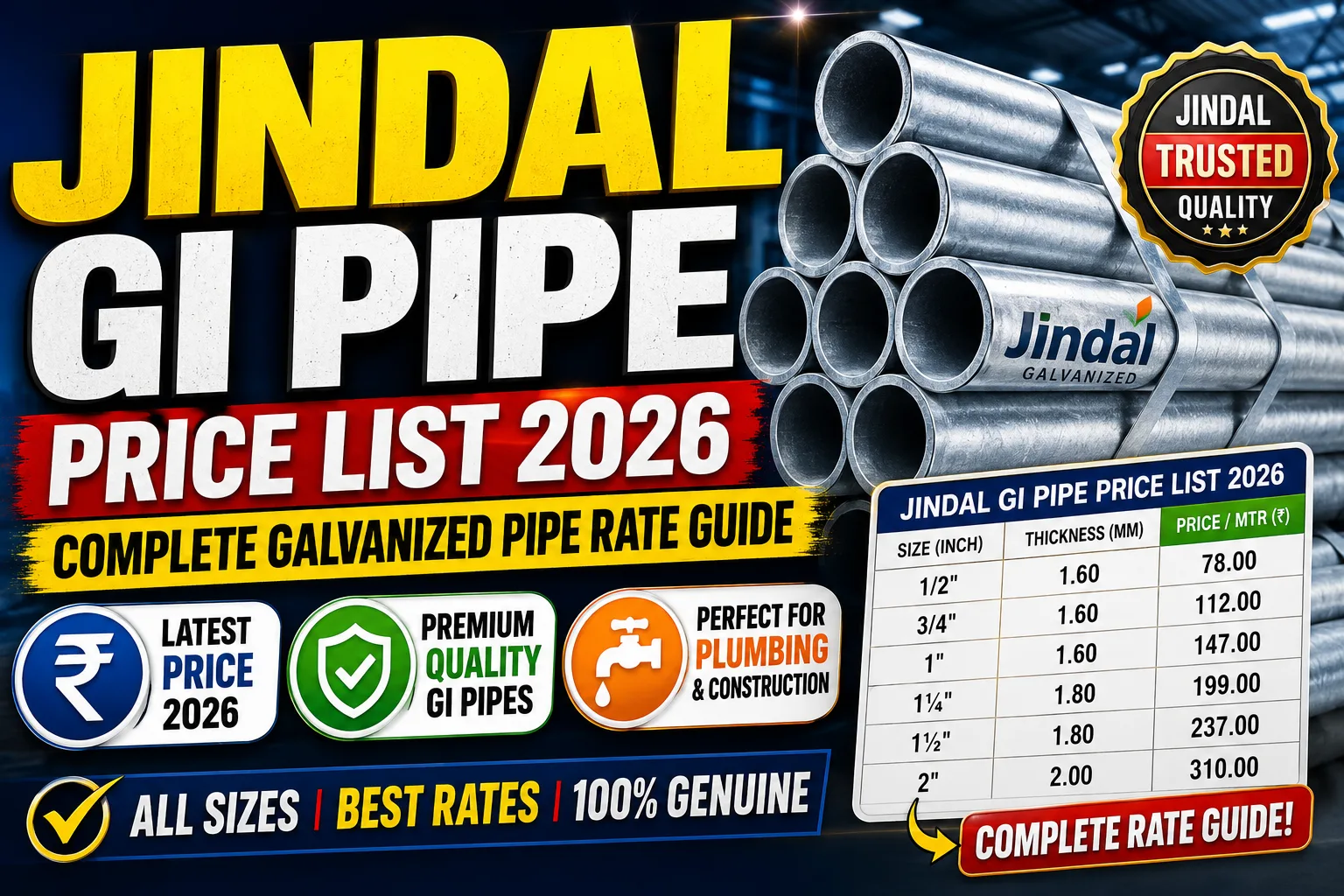
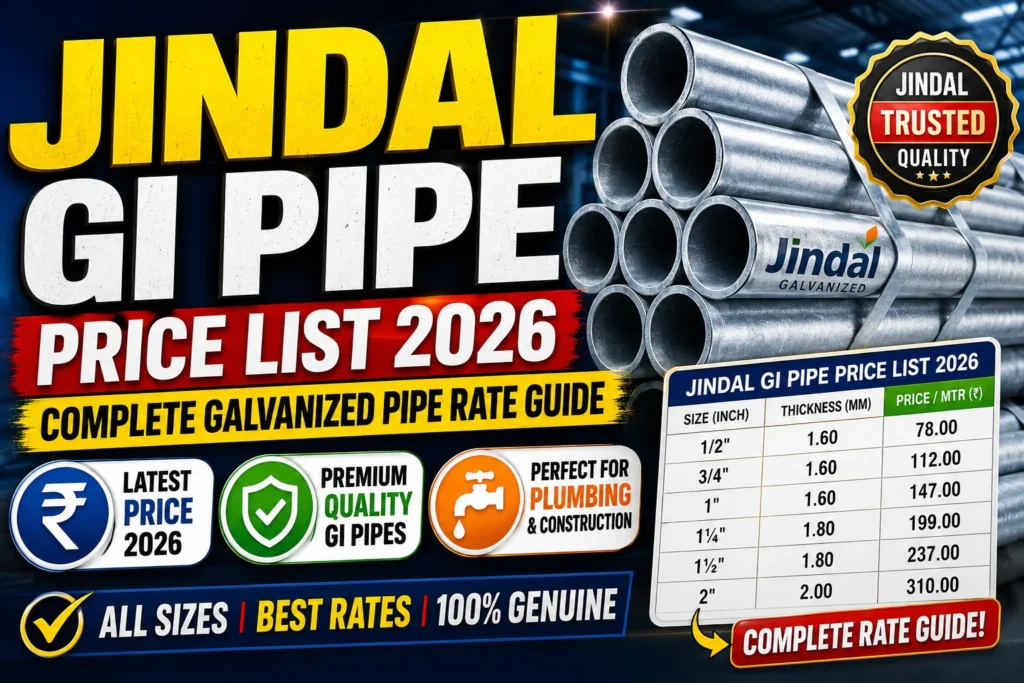
For updated industrial pricing, buyers often check Jindal Pipes Price List, Jindal MS Pipe Price List, and Jindal GI Pipe Price List before procurement decisions.
Advantages of ERW Pipes
ERW pipes offer several commercial and industrial benefits.
Major Advantages
- Economical pricing
- Easy market availability
- Uniform wall thickness
- Smooth surface finish
- Lightweight compared to some heavy schedules
- Good dimensional accuracy
- Suitable for medium-pressure systems
- Faster production availability
These benefits make ERW pipes highly popular in construction and infrastructure industries.
Advantages of Seamless Pipes
Seamless pipes are preferred where safety and performance are critical.
Major Advantages
- No weld failure risk
- Excellent pressure resistance
- Better high-temperature performance
- Superior mechanical strength
- High reliability in critical applications
- Better fatigue resistance
- Suitable for corrosive industrial environments
Seamless pipes are often mandatory in refinery and boiler systems.
Disadvantages of ERW Pipes
Although ERW pipes are economical, they also have limitations.
Common Disadvantages
- Weld seam can become a weak point
- Lower pressure tolerance compared to seamless pipes
- Not ideal for critical high-temperature industries
- Limited use in extreme pressure systems
Proper quality testing is important before industrial installation.
Disadvantages of Seamless Pipes
Despite their strength, seamless pipes also come with drawbacks.
Common Disadvantages
- Expensive compared to ERW pipes
- Limited availability in some sizes
- Higher lead time
- Increased project cost
- Heavier investment for large-scale projects
For budget-sensitive projects, seamless pipes may not always be practical.
Which Pipe Should You Choose?
The answer depends entirely on industrial application and operating conditions.
Construction Industry
ERW pipes are usually preferred because they are economical and structurally suitable.
Plumbing Systems
ERW pipes are sufficient for residential and commercial plumbing applications.
Fire Fighting Systems
Selection depends on pressure requirements. Medium-pressure systems can use ERW pipes, while high-pressure systems may require seamless pipes.
Oil & Gas Industry
Seamless pipes are generally preferred because of pressure and safety requirements.
Boiler Applications
Seamless pipes are often mandatory due to high-temperature steam pressure.
Structural Fabrication
ERW pipes are economical and widely used in structural steel projects.
ERW vs Seamless Pipe Weight Difference
Theoretically, ERW and seamless pipes with the same dimensions and wall thickness should have nearly identical weight.
However, seamless pipes can sometimes be slightly heavier due to:
- Manufacturing tolerances
- Higher schedules
- Additional wall thickness variations
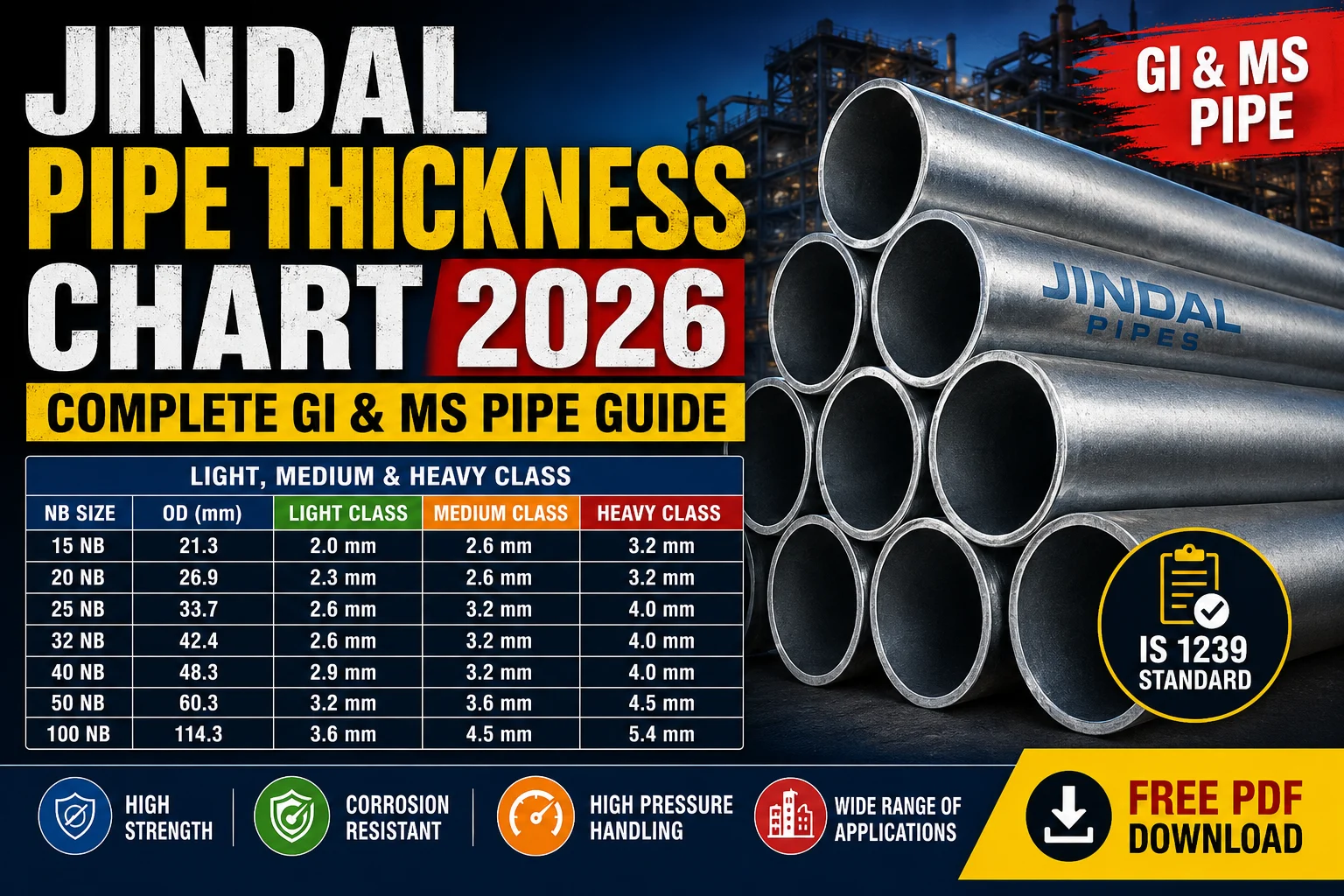
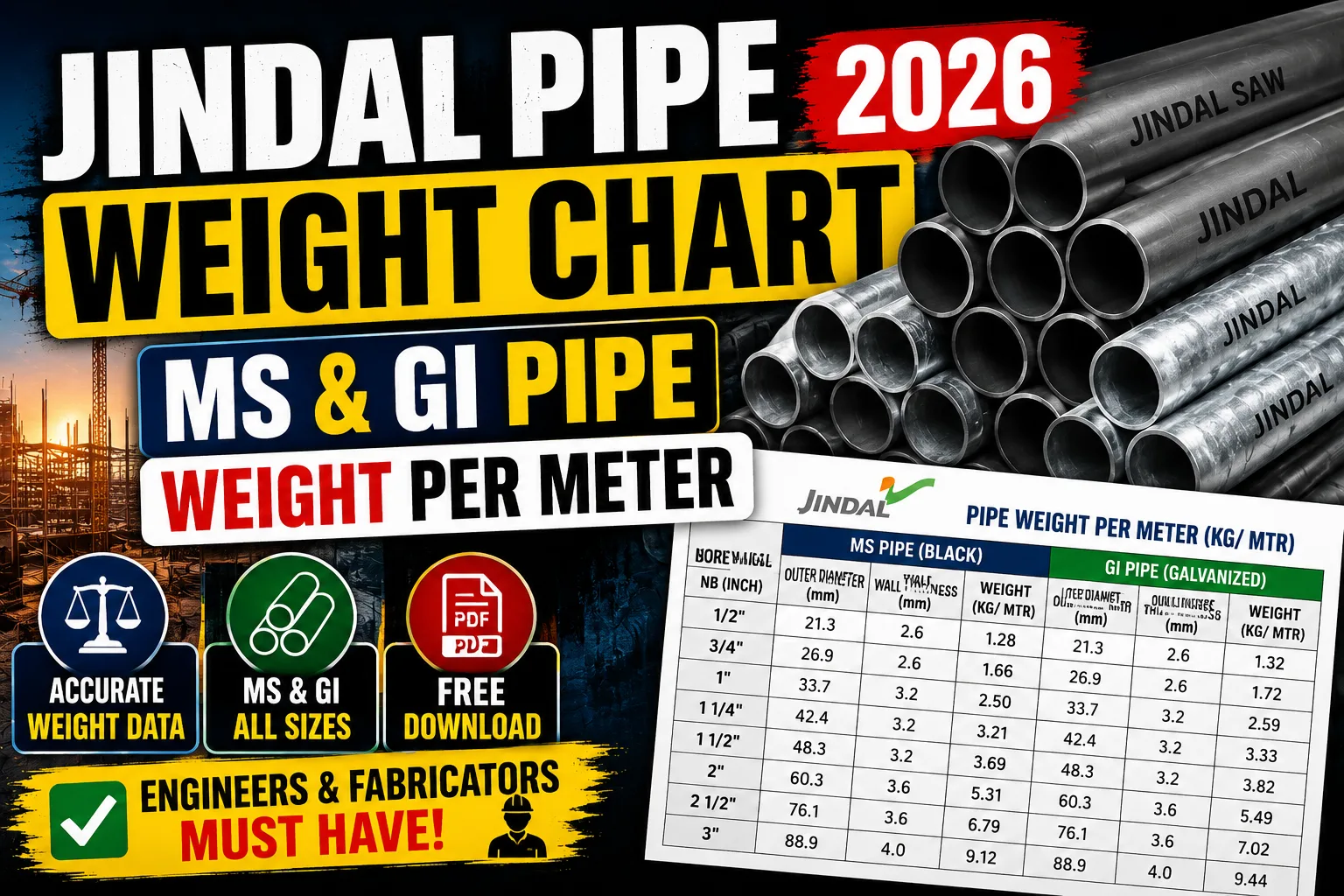
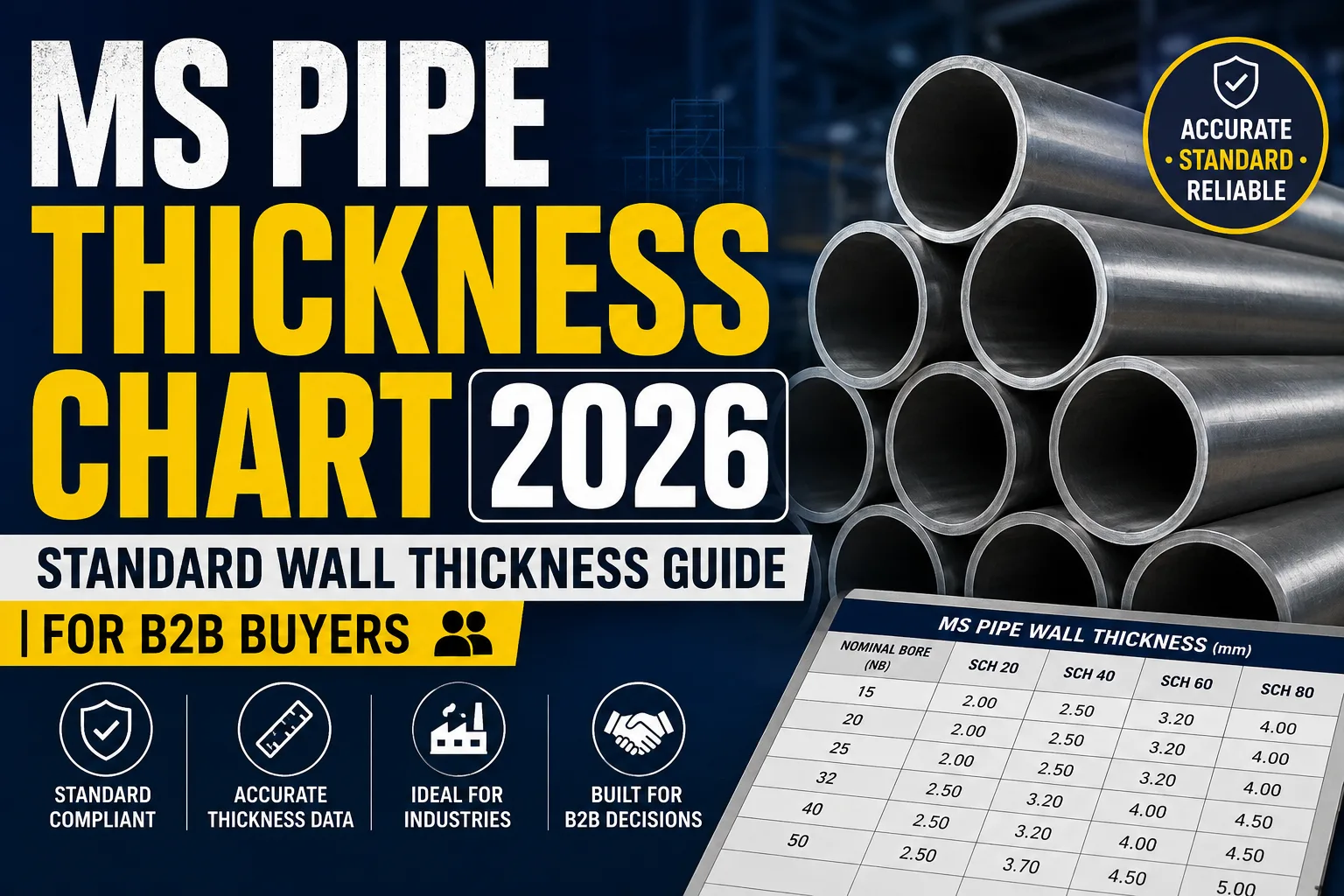
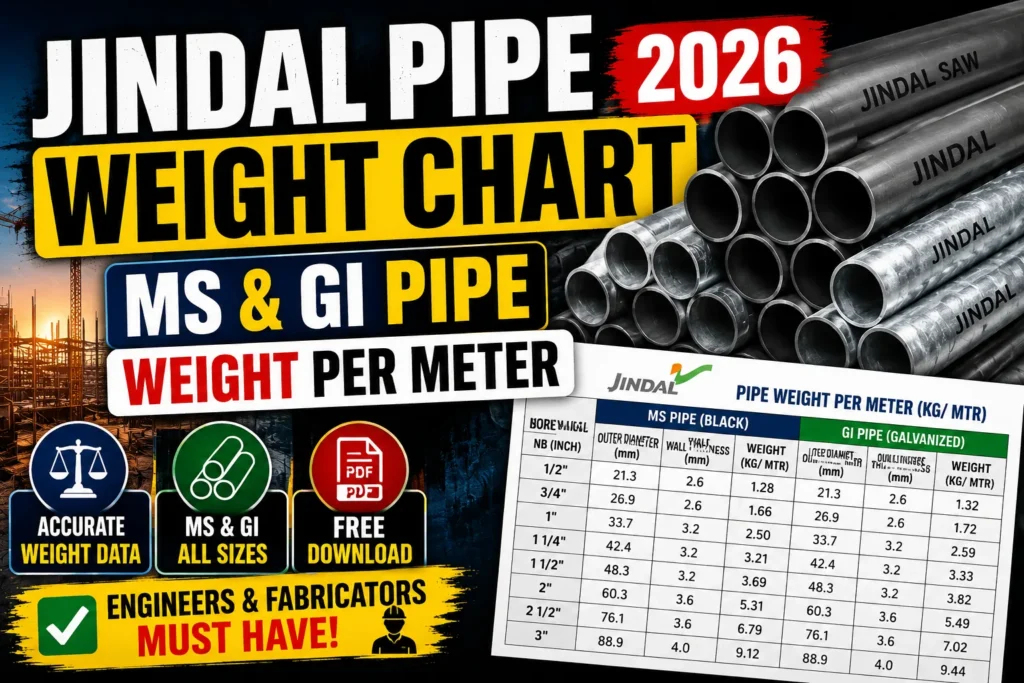
Pipe thickness plays a major role in total pipe weight and strength. Buyers usually refer to Jindal Pipe Weight Chart and Pipe Thickness Chart for accurate calculations before procurement.
Jindal ERW and Seamless Pipe Options
Among Indian pipe manufacturers, Jindal offers a wide range of industrial steel pipes.
Popular options include:
- Jindal MS ERW pipes
- Jindal seamless pipes
- Jindal GI pipes
- SS 304 seamless pipes
- Stainless steel ERW pipes
Industrial buyers often compare sizes, schedules, and prices using:
- Jindal Pipes Price List
- Jindal Pipes thickness Chart
- Jindal GI Pipe Price List
- Jindal MS Pipe Price List
These references help contractors and fabrication industries estimate project cost accurately.
Factors to Consider Before Buying Pipes
Before selecting between ERW pipe vs seamless pipe, buyers should evaluate several technical factors.
1. Pressure Requirement
High-pressure systems generally require seamless pipes.
2. Operating Temperature
Extreme temperature environments demand superior material performance.
3. Corrosion Resistance
Chemical and coastal environments may require galvanized or stainless steel pipes.
4. Budget
ERW pipes help reduce project cost significantly.
5. Pipe Schedule and Thickness
Higher schedules increase pressure handling capacity.
6. Welding and Fabrication Requirement
Some industrial systems require easy welding compatibility.
7. Certification and Standards
Always verify compliance with IS standards and industrial certifications.
Common standards include:
- IS 1239
- IS 3589
- ASTM specifications
- API standards
Proper certification ensures safety and long-term performance.
Final Conclusion
There is no universal winner in the ERW vs seamless pipe comparison because both pipe types serve different industrial purposes.
ERW pipes are:
- Economical
- Easily available
- Ideal for construction and general industrial use
- Suitable for medium-pressure systems
Seamless pipes are:
- Stronger
- Better for high-pressure environments
- Reliable in critical industries
- Preferred for oil, gas, boilers, and petrochemicals
The right choice depends on application requirements, safety standards, pressure conditions, and project budget. Before making large industrial purchases, contractors and buyers should consult technical experts, verify IS standards, and compare specifications carefully.
Frequently Asked Questions (FAQ)
What is the main difference between ERW and seamless pipe?
The main difference is that ERW pipes contain a welded seam, while seamless pipes are manufactured without any weld joint.
Which pipe is stronger ERW or seamless?
Seamless pipes are generally stronger for high-pressure and high-temperature applications.
Is ERW pipe suitable for high-pressure applications?
Modern ERW pipes can handle medium-pressure applications, but critical high-pressure systems usually prefer seamless pipes.
Why are seamless pipes more expensive?
Seamless pipes require complex manufacturing from solid billets, resulting in higher production cost.
Are ERW pipes good for construction?
Yes, ERW pipes are widely used in construction, fabrication, scaffolding, and plumbing because they are economical and easily available.
Which pipe is better for oil and gas industry?
Seamless pipes are generally preferred in oil and gas industries because of better pressure resistance and reliability.
Can ERW pipes replace seamless pipes?
In some medium-pressure applications, ERW pipes can replace seamless pipes. However, critical industrial systems may still require seamless pipes.
What is the full form of ERW pipe?
ERW stands for Electric Resistance Welded.
Do seamless pipes last longer?
In harsh industrial environments, seamless pipes often provide better long-term durability.
Which pipe is better for plumbing?
ERW pipes are usually sufficient and economical for plumbing applications.
- All Posts
- Boiler tubes
- Jindal pipes
- Kolkata
- mild Steel
- Ms erw Pipes
- MS Pipes
- Seamless Boiler Tubes
- Stainless Steel Coils
- stainless steel fittings
- Stainless steel Flanges
- Stainless Steel Pipes
- Stainless steel sheets
- Stainless steel Tubes
- Steel Prices
- Trending Steel
- Back
- Alloy Steel Boiler Tubes
- Carbon Steel Boiler Tubes
- Stainless Steel Boiler Tubes
- Jindal Boiler Tubes
- TATA Boiler Tubes
- ERW Boiler Tubes
- Back
- TATA Boiler tubes